Maes y Facrell/Pen y Gogarth National Nature Reserve
Recommended by


Overview
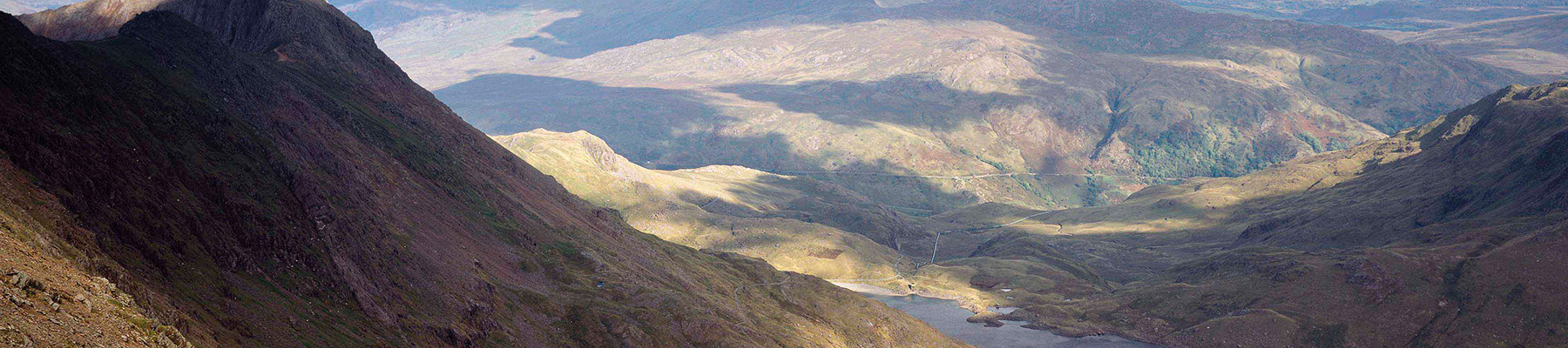
The limestone heath and grassland of the Maes y Facrell/Pen y Gogarth NNR on Great Ormes Head near Llandudno is widely regarded as among the best in the UK. In summer on the Great Orme you’ll see yellow rock-roses and creamy dropwort, while in early autumn the heath is vibrant with pink, purple and yellow, as heather and gorse come into bloom. The Great Orme is also home to a number of special and rare plants including spiked speedwell, Orme berry or wild cotoneaster (which is only found on the Orme), bloody cranesbill and dark red helleborine. Because of the great diversity of wildflowers, insect life is abundant and several endangered species of butterflies and moths occur including the silver-studded blue butterfly and the silky wave and grayling moths. The sea cliffs of Great Orme are home to many breeding colonies of birds including guillemots, razorbills and kittiwakes. The more remote cliffs of the Orme are inhabited by ravens and little owls, and there are small numbers of feral goats.
About the area
The majority of the population of Conwy lives along its picturesque coastline, while a third of the county falls within jaw-dropping landscape of the Snowdonia National Park. The town of Conwy, which takes its name from the county (which in turn was named after the river that runs through it), is undoubtedly one of the great treasures of Wales.
Places to eat nearby View all
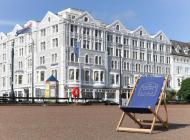
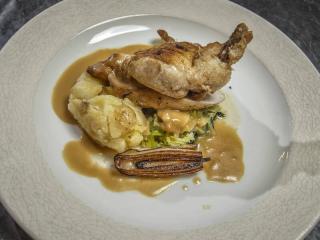
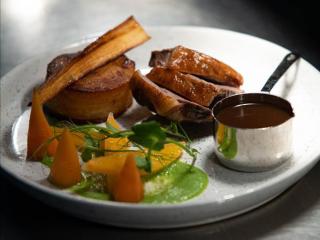

Nearby places to stay
View all (8)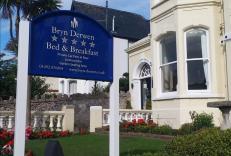






Self-Catering
Morwenna Holiday Apartments
- Total units: 4
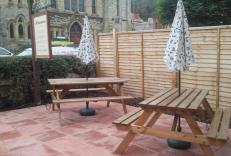
- Private garden
- Garden furniture
- Dish washer
Nearby places to stay
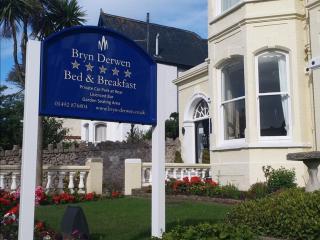
Bryn Derwen
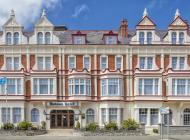
Located in a quiet area of Llandudno, Bryn Derwen is just a short walk from the main shopping area and local restaurants. A friendly welcome is assured at this impressive Victorian hous...
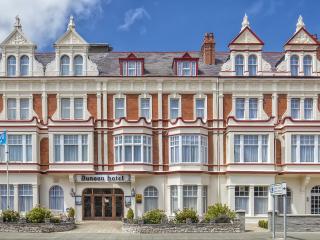
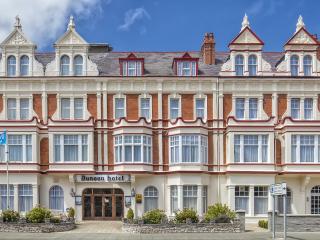
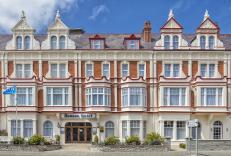
Dunoon Hotel
This impressive, privately-owned hotel is centrally located and offers a variety of well-equipped bedrooms. Elegant public areas include choice of bars, lounge with open fire and a tast...
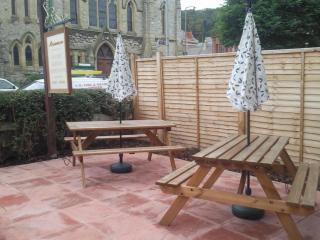
Morwenna Holiday Apartments
Located near Llandudno Pier and leisure parks, Morwenna Luxury Holiday Apartments feature free WiFi and there's a bar and a garden for guests to enjoy. The location is central to all Ll...
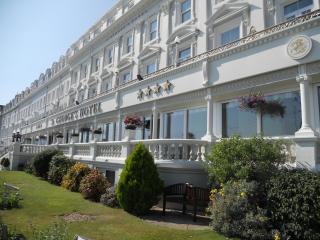
St George's Hotel
St George's is a large and impressive seafront property, and the first hotel to be built in the town. Restored to its former glory, the accommodation is of very high quality and include...
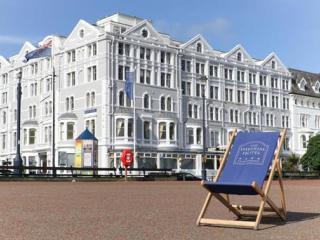
Imperial Hotel
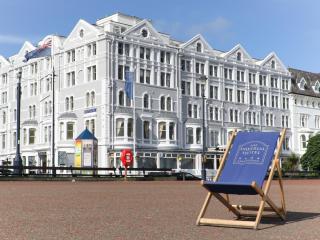
Occupying a prominent position along Llandudno’s historic seafront promenade, the Imperial Hotel is a traditional coastal property offering classic hospitality in one of North Wales’ be...
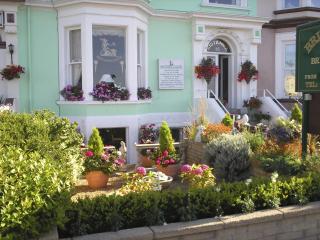
Britannia Guest House
Britannia Guest House offers a warm welcome and friendly service. The bedrooms are very comfortable and well equipped, and many have fantastic views of Llandudno's bay. Ground-floor roo...
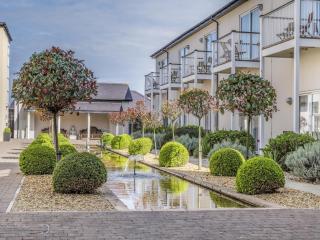
Quay Hotel & Spa
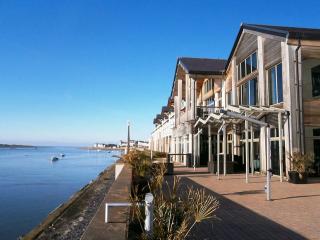
This luxury hotel occupies a stunning position beside the estuary on Deganwy Quay overlooking Conwy Castle and Snowdonia. Sleek, contemporary design runs through all aspects here. Spaci...
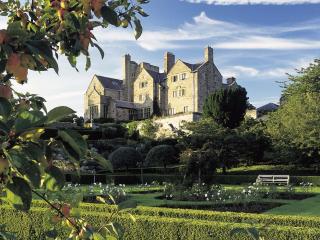
Bodysgallen Hall and Spa
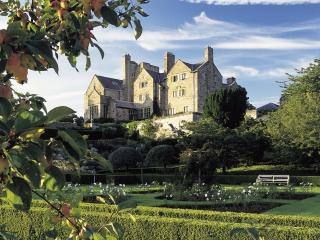
Bodysgallen Hall is a 17th-century house situated in its own parkland and formal gardens, occupying an elevated position, with views towards Snowdonia and across to Conwy Castle. The lo...