Bardsey Island (Ynys Enlli) National Nature Reserve
Recommended by


Overview
Bardsey Island, 2 miles off the Llyn Peninsula in North Wales, is internationally renowned for its wildlife. This includes birds, rare flowering plants, lichens, liverworts and mosses, coastal grassland and heathland, sea cliffs and marine wildlife. The Bardsey NNR is home to some spectacular seabirds, and is perhaps most famous for its 10,000 to 16,000-strong breeding colony of Manx shearwaters. Gannets, razorbills and shags are frequently seen, and recent evidence suggests that puffins may also be colonising. Other birds on the reserve include red-legged choughs, oystercatchers, herons, peregrine falcons, wheatears, warblers and little owls. Squill creates hazy blue carpets in early spring, followed by tufts of thrift and thyme and, later on, bell heather and ling. Rarer plants include western clover and small adder’s tongue, and the island has a rich variety of over 350 species of lichen. Atlantic grey seals can be seen in the rocky bays of the island, and a small number breed on Bardsey every year.
About the area
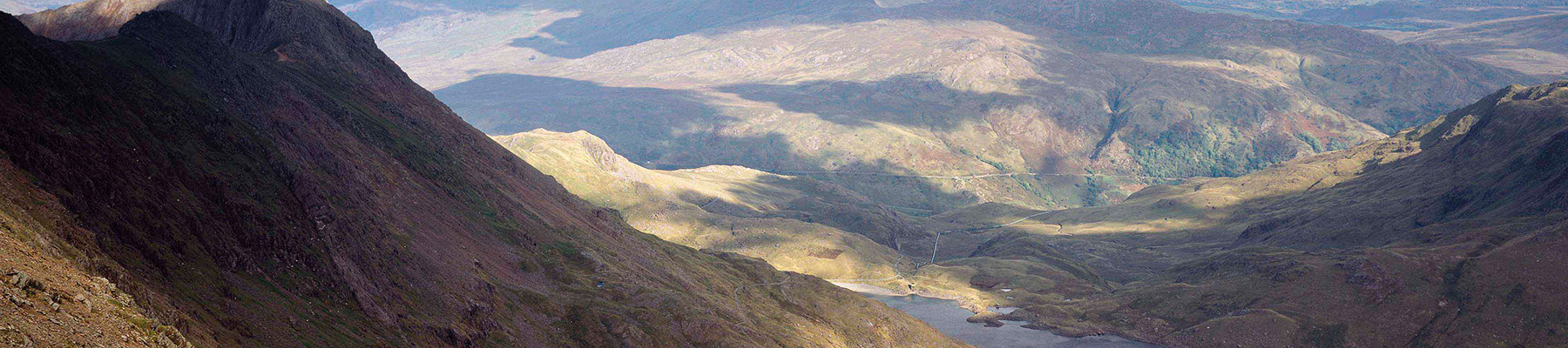
The county of Gwynedd is home to most of the Snowdonia National Park – including the wettest spot in Britain, an arête running up to Snowdon’s summit that receives an average annual rainfall of 4,473mm. With its mighty peaks, rivers and strong Welsh heritage (it has the highest proportion of Welsh-speakers in all of Wales), it’s always been an extremely popular place to visit and live.
Places to eat nearby View all


Nearby places to stay
View all (8)
Nearby places to stay
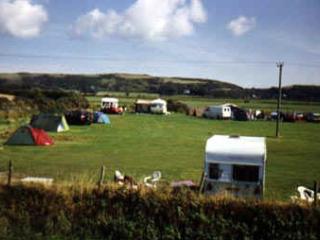
Rhydolion
A peaceful small site with good views on a working farm close to the long, dog-friendly sandy beach at Heals Mouth. The smart amenity block offers good privacy options for each gender a...
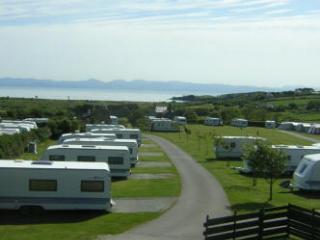
Deucoch Touring & Camping Park
This is a colourful, sheltered site with stunning views of Cardigan Bay and the mountains that is situated just a mile from Abersoch and a long sandy beach. The friendly, enthusiastic, ...
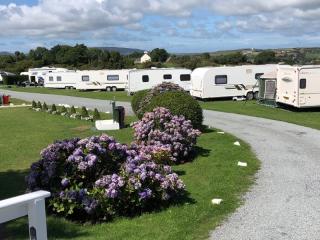
Beach View Caravan Park
A long established clifftop park with stunning views of both the sea and the countryside. The grounds are immaculately maintained, and pitches are mainly hardstanding with good electric...
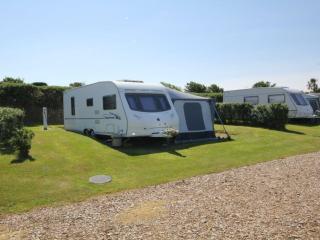
Bryn Bach Caravan & Camping Site
Bryn Bach Caravan & Camping Site offers stunning views towards the beach and across the bay to the Snowdonia mountains, and a warm welcome is assured at this very well-maintained park o...
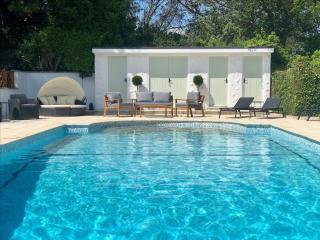
Porth Tocyn Hotel
Located above Abersoch with fine views across Cardigan Bay, Porth Tocyn is set in its own attractive gardens. Several elegantly furnished sitting rooms are provided with space set aside...
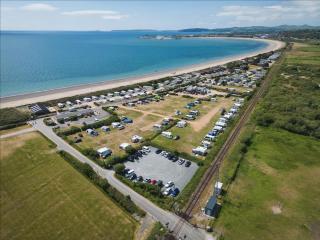
Abererch Sands Holiday Centre
Glorious views of Snowdonia and Cardigan Bay can be enjoyed from Abererch Sands, a secure, family-run site adjacent to the railway station and four miles of sandy beach. The amenity blo...
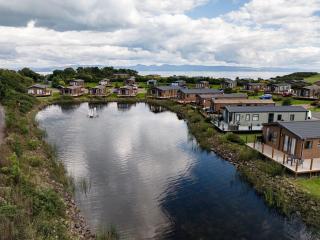
Hafan y Môr Holiday Park
Located between Pwllheli and Criccieth, and surrounded by mature trees that attract wildlife, this popular holiday centre provides a wide range of all-weather attractions. Activities in...
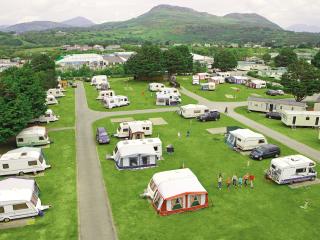
Greenacres Holiday Park
A quality holiday park on level ground just a short walk from Black Rock Sands, and set against a backdrop of Snowdonia National Park. All touring pitches are on hardstandings surrounde...