Whiteford National Nature Reserve
Recommended by


Overview
At least 250 species of flowering plants have been recorded on the Whiteford NNR on the Gower peninsula, making it one of the richest dune systems in the UK. Special flowers to look out for include dune and autumn gentian, petalwort and marsh helleborine. The abundance of wildflowers at Whiteford make it a good place for butterflies such as the common blue, small blue, dark green fritillary and the grayling. The scarlet tiger moth can also be seen flying on the damp dune slacks at Whiteford, usually feeding on comfrey. Whiteford Burrows also contains the UK’s largest known population of the rare narrow-mouthed whorl snail. The mudflats and saltmarsh habitats at Whiteford make it a very important wintering ground for wildfowl and wading birds. Some of the species found here include oystercatcher, curlew, lapwing, redshank and snipe, and in the reedbeds, reed and sedge warblers and reed buntings can be seen.
About the area
There’s no getting away from it – when it comes to image, Swansea is a bit of a mixed bag. During its heyday in the 19th century, as king of the copper industry, it was known as ‘Copperopolis’.
Places to eat nearby View all
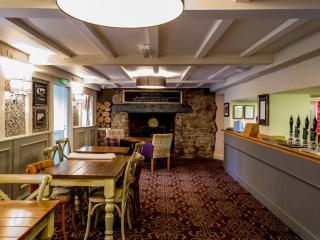

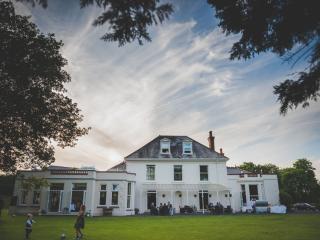
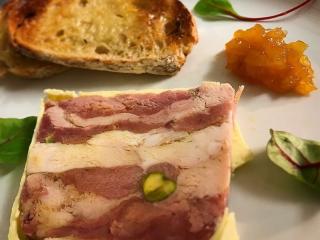
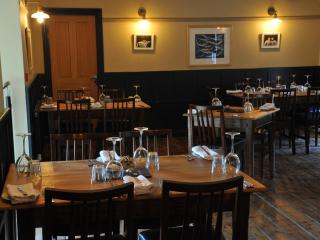
Nearby places to stay
View all (8)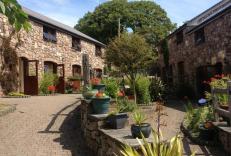

Caravan & Camping
Pitton Cross Caravan & Camping Park
- Launderette
- Ice pack facility
- Picnic Area
- Shop onsite
Nearby places to stay
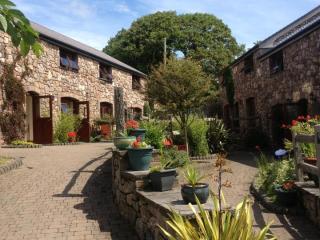
Kings Head
The Kings Head is made up of three 17th-century buildings set behind a splendid rough stone wall, standing opposite the church in this coastal village. The well-equipped bedrooms, inclu...
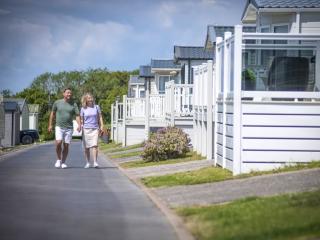
Llanrhidian Holiday Park
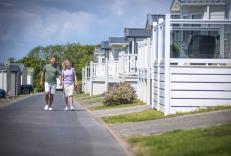
Set in an area of Outstanding Natural Beauty, Llanrhidian Holiday Park offers a wonderful base from which you can explore the stunning Welsh countryside. A well equipped site with outdo...
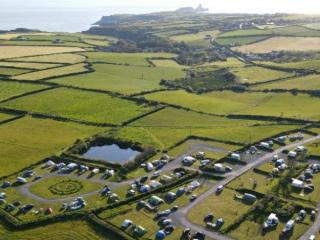
Pitton Cross Caravan & Camping Park
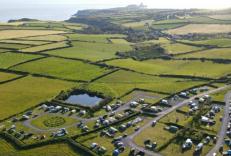
Surrounded by farmland close to Rhossili Bay, Pitton Cross is divided by hedging into paddocks, with hardstandings for motorhomes available. Some areas are deliberately left uncultivate...
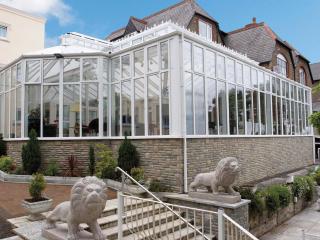
The Diplomat Hotel Restaurant and Spa
The Diplomat Hotel is a Victorian mansion, set in mature grounds, that's been extended over the years to provide a comfortable and relaxing hotel. The well-appointed bedrooms are locate...
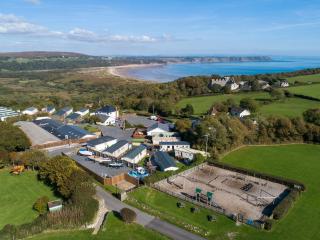
Greenways of Gower Premier Leisure Park
Set in a superb location overlooking Oxwich Bay on the Gower Peninsula, this popular park offers 160 well drained grass pitches and caters for tents and small camper vans. The central t...
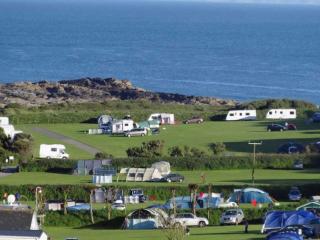
Skysea Camping & Caravan Park
Set in an unrivalled location alongside the safe sandy beach of Port Eynon on the Gower Peninsula, this popular park is an ideal family holiday spot; it is also close to an attractive v...
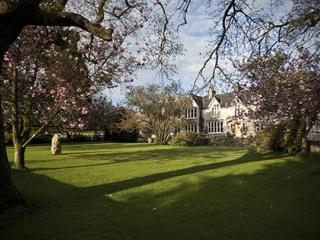
Parc-le-Breos House
Parc-le-Breos is a beautifully appointed Victorian hunting lodge with extensive gardens, which is located only 20 minutes' walk from Three Cliffs Bay. It is beautifully furnished – you ...
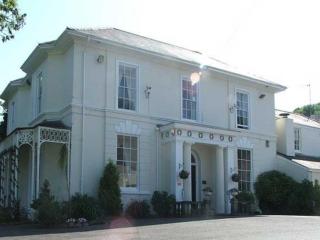
Norton House Hotel
Norton House Hotel is a quaint Georgian mansion house set in a central location of the Mumbles. As well as period charm, all the modern conveniences are on offer. Resident's bar a highl...