Around Eton and Windsor
 Our view
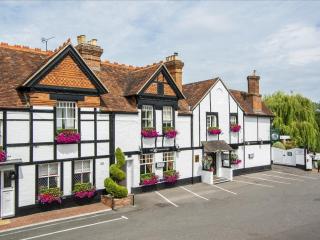
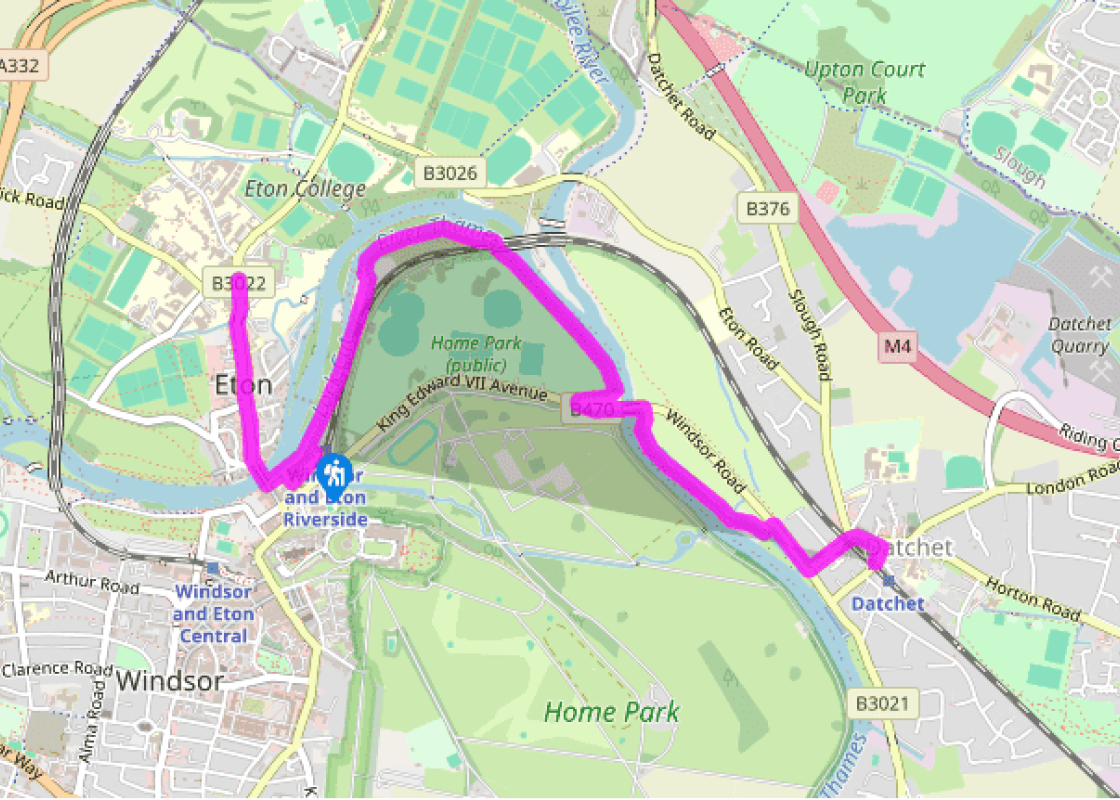
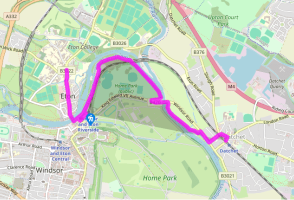
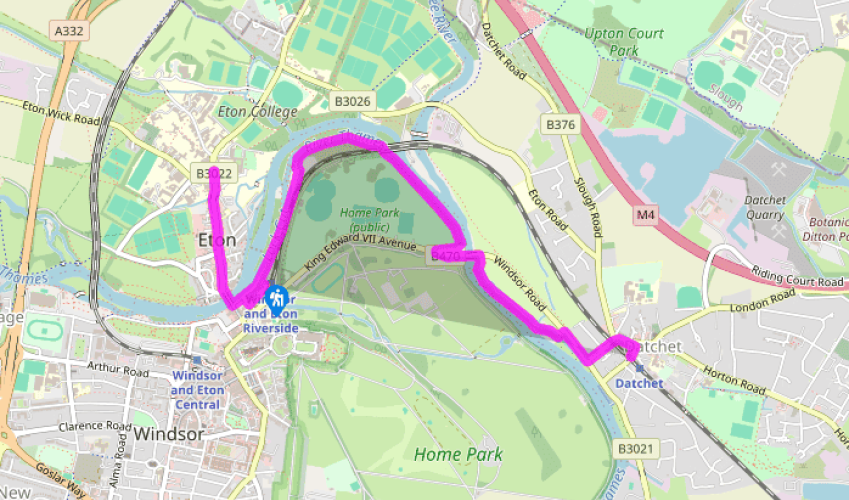
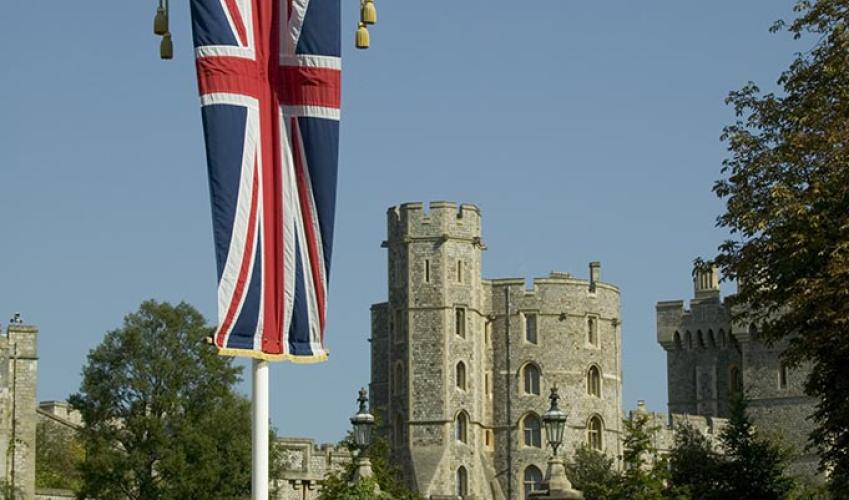
From the railway station, turn right onto Farm Yard, left onto the river path, then right to cross Eton Bridge. Continue along the traffic-free High Street past individual shops and historic properties. The early-17th century Crown and Cushion, left, has been an inn since 1753. Right, at Nos. 47–49, the early-15th century building known as The Cockpit (now The Tiger Garden restaurant) is the oldest in Eton. Note the original fire plaque and stocks in front. The 1856 postbox was the first all-metal design and still functions today. At No. 98, on the left, The Turks Head is a former pub dating from c.1520.
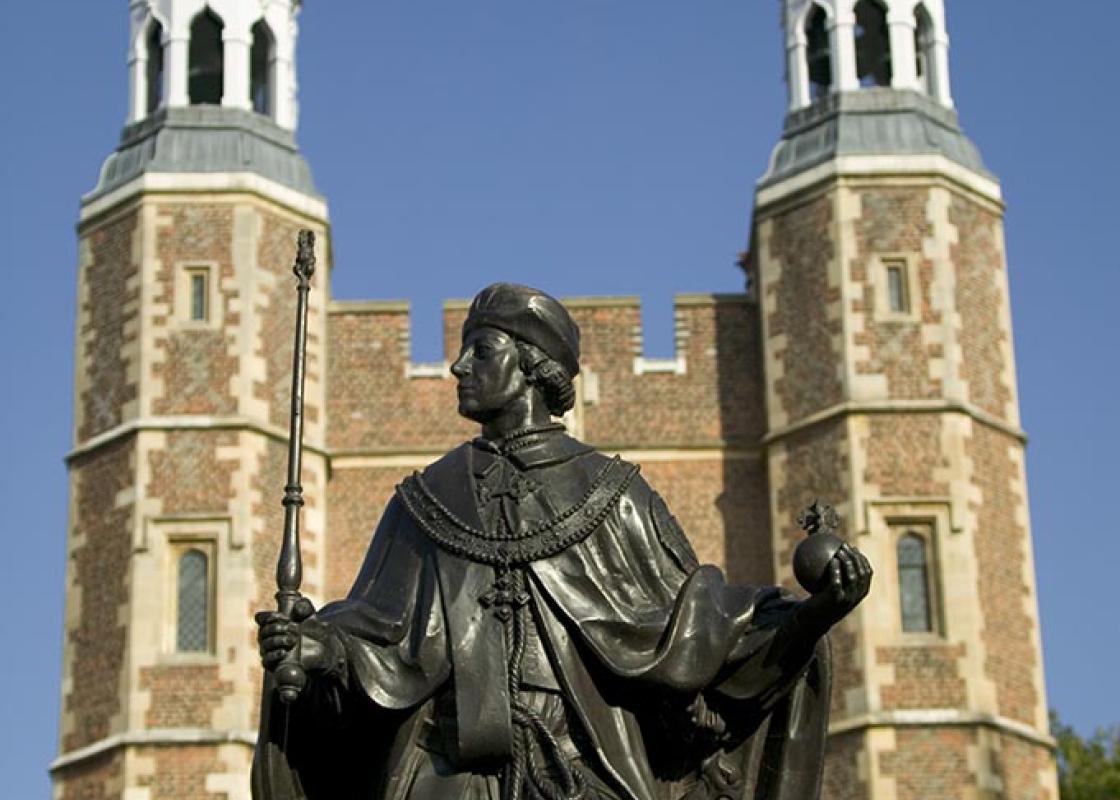
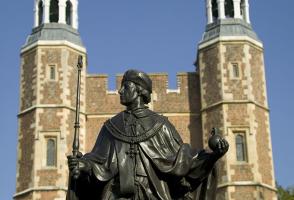
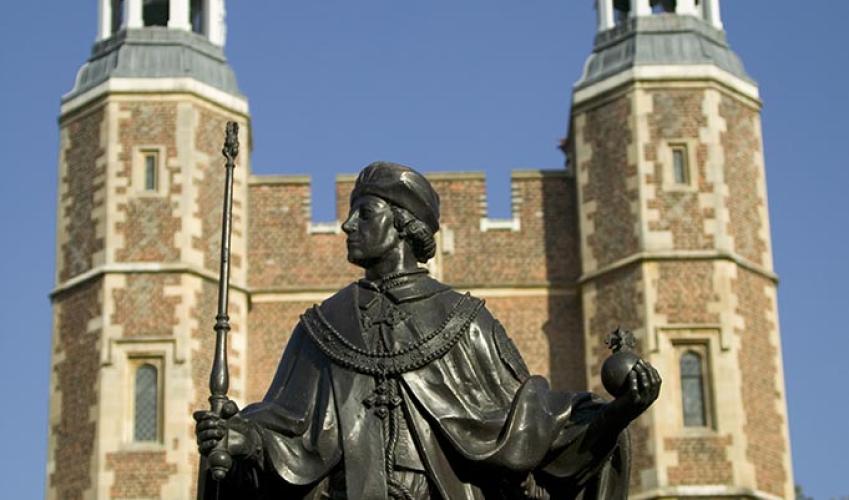
Continue ahead, and at the end of the High Street are the buildings of Eton College. Right is the chapel; opposite is the entrance for public tours; beside it is the grand domed building housing the library. The ornate wrought-iron lamp here is known as 'The Burning Bush'. Return to the bridge.
Been on this walk?
Send us photos or a comment about this route. Or recommend a route of your own.
Walking in Safety
Read our tips to look after yourself and the environment when following this walk.
Get an AA guide
Explore our range of ‘50 Walks in’ guides - they’re the ideal companion for a ramble.
Been on this walk?
Send us photos or a comment about this route. Or recommend a route of your own.
Walking in Safety
Read our tips to look after yourself and the environment when following this walk.
Get an AA guide
Explore our range of ‘50 Walks in’ guides - they’re the ideal companion for a ramble.
Nearby places to stay
View all (8)