Caldbeck Green and the Howk
Recommended by

Our view
"To the summit of a fell famous for its beauty, returning through a waterfall-filled gorge."
Walk directions
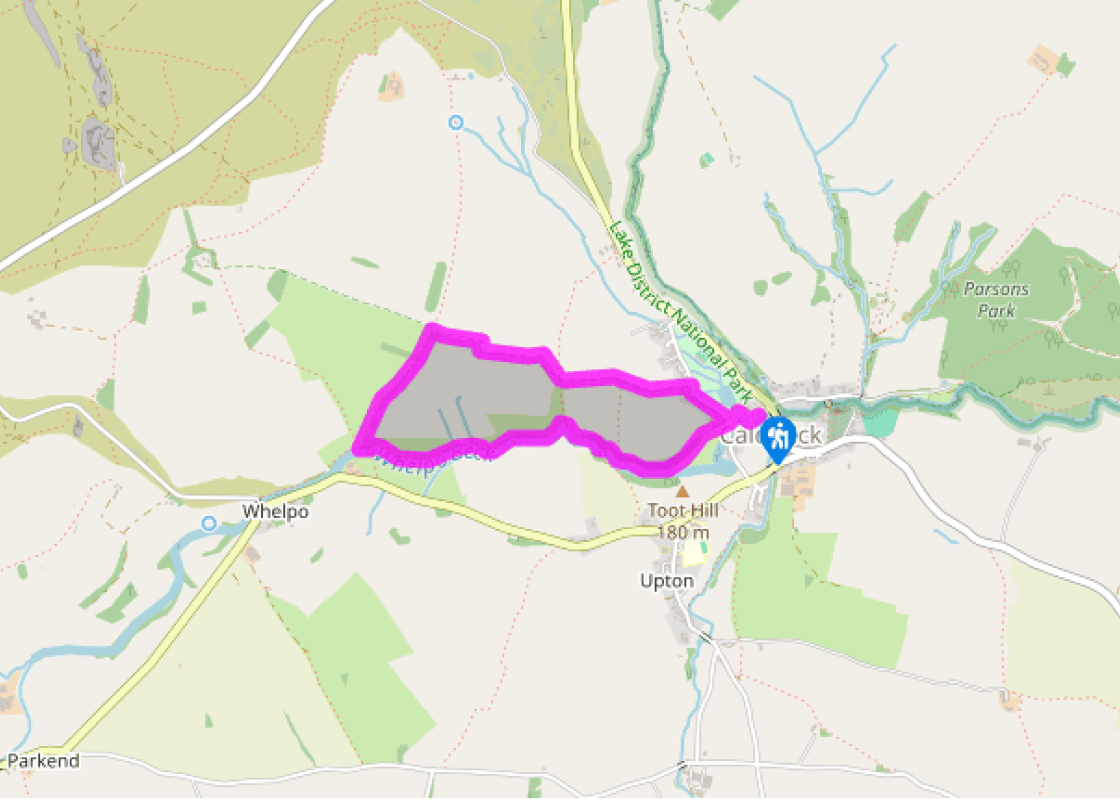
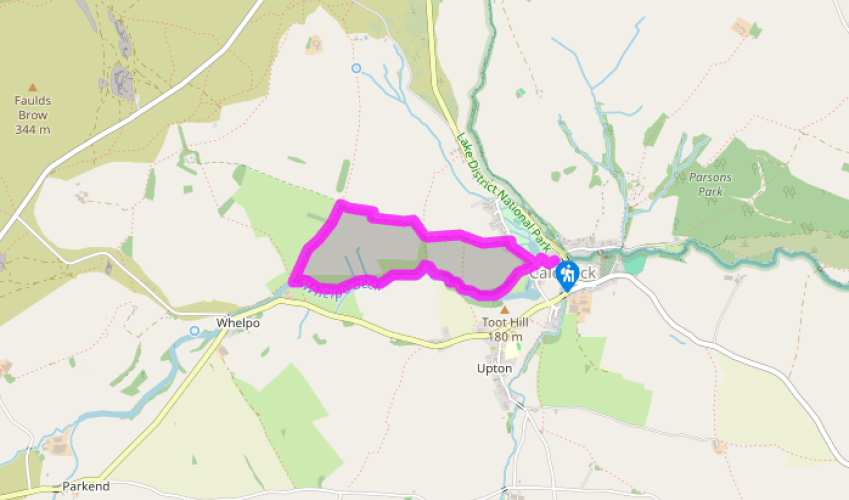
Leave the parking area at the far end of the car park, leading out onto the village green. Turn right and after 50yds (40m) turn right. As the road swings right, look for a bridleway sign on the left to Faulds Brow.
Follow this through a gate and up an enclosed track between hedgerows. Emerging into fields, ignore any turnings and keep straight ahead, with a fence on your right. After the next gate, turn right to a gate and stile. Beyond these, bear left across a faint field path towards a gate on the opposite side. Through this, turn left, heading for a gate at the top of the field. Bear half right up the hill beyond this, picking out an ancient sunken lane at the brow, weaving between trees to a small gate. In a few more paces reach a stile on the left.
View all directions
Additional information
Terrain
- Grassy paths and tracks, 3 stiles
Landscape
- Fields, riverside, limestone gorge and village green
Dog friendliness
- You are likely to encounter sheep throughout this walk so dogs should be on leads
Parking
- Caldbeck car park, close to village green on north side of village
Toilets en route
- On main street in Caldbeck village
About the walk
‘Howk’ means scooping out in the old dialect of these northern fells, and it feels appropriate for this peculiar phenomenon, created by a change in the underlying rock. This is a limestone gorge with a waterfall, a Gordale in miniature. The Howk is surprising whichever way you approach it, but this...
Read more
Been on this walk?
Send us photos or a comment about this route. Or recommend a route of your own.
Walking in Safety
Read our tips to look after yourself and the environment when following this walk.
Get an AA guide
Explore our range of ‘50 Walks in’ guides - they’re the ideal companion for a ramble.
Been on this walk?
Send us photos or a comment about this route. Or recommend a route of your own.
Walking in Safety
Read our tips to look after yourself and the environment when following this walk.
Get an AA guide
Explore our range of ‘50 Walks in’ guides - they’re the ideal companion for a ramble.
About the area
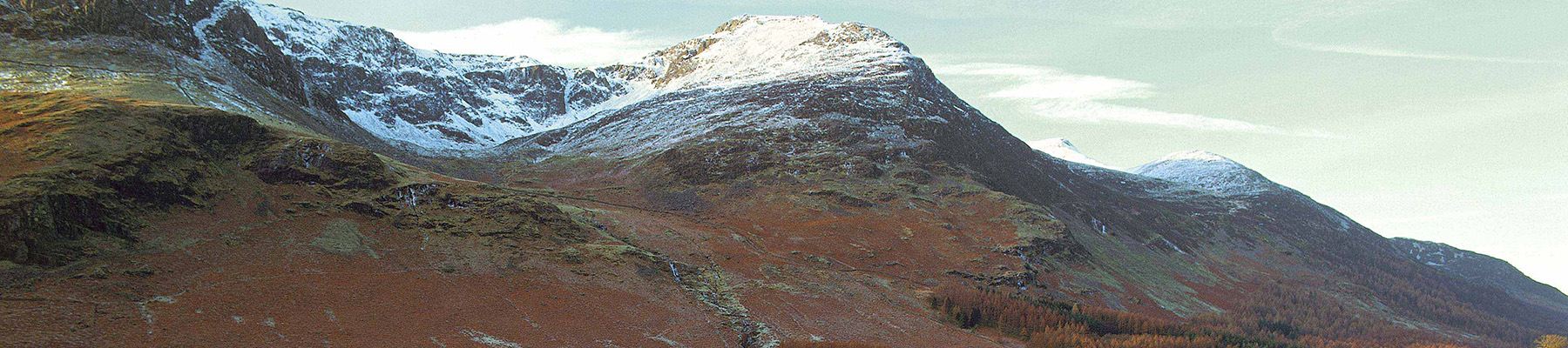
Cumbria's rugged yet beautiful landscape is best known for the Lake District National Park that sits within its boundaries. It’s famous for Lake Windermere, England’s largest lake, and Derwent Water, ‘Queen of the English Lakes', but other lesser-known areas in the south, such as the Lune Valley and the coastal towns, are secret gems of wide cobbled streets and rolling hills.
Nearby places to stay
View all (8)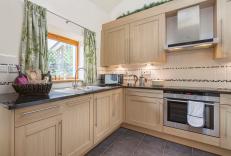

Nearby places to stay
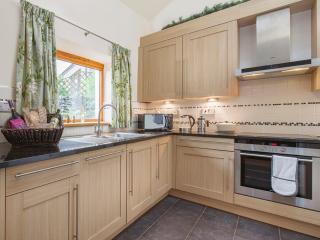
Rose Cottage
If it’s a walking holiday you’re after, Rose Cottage is a great base. Set in the village of Hesket Newmarket at the edge of the Lake District National Park with all its fell-climbing op...
Rose Cottage
If it’s a walking holiday you’re after, Rose Cottage is a great base. Set in the village of Hesket Newmarket at the edge of the Lake District National Park with all its fell-climbing op...
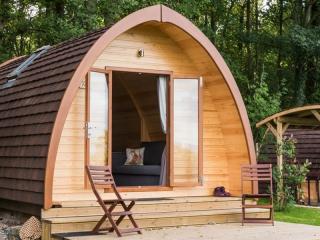
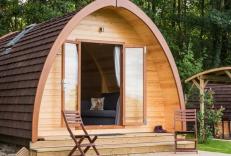
Thornfield Camping Cabins
Thornfield Camping Cabins is set in a picturesque landscape and rural setting between the border city of Carlisle and Caldbeck on the edge of the Lake District National Park. It's a spo...
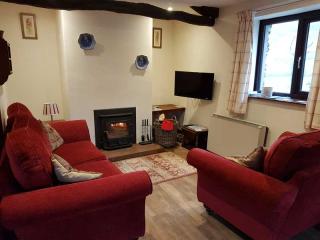
Peter House Cottages
On a Lakeland hill farm at the foot of Skiddaw, close to Bassenthwaite village, you’ll find these two comfortable barn conversions, Peter House Cottage and Pembroke Cottage. There’s no ...
Peter House Cottage
...
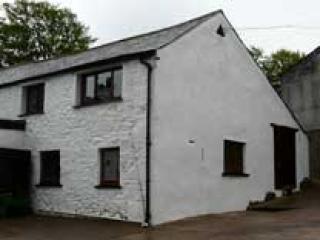
Pembroke Cottage
...
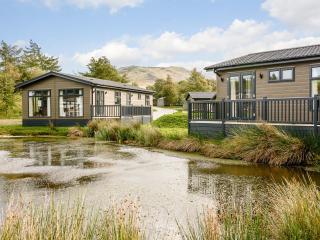
Keswick Reach Lodge Retreat
Opened following significant investment and renovation by Darwin Escapes several years ago, with creative architecture and landscaping, this former campsite has been transformed into an...
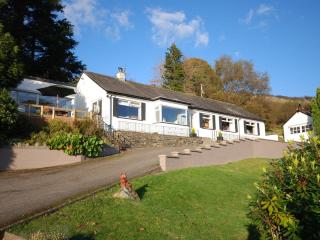
Holly Bank Cottage
Occupying an elevated place on the edge of Bassenthwaite Village, Holly Bank commands a breath-taking panoramic view taking in Skiddaw, Sale Fell, Lords Seat and the Borrowdale peaks. R...
Places to eat nearby View all