Along the Stour to Fiddleford
Recommended by

Walk directions
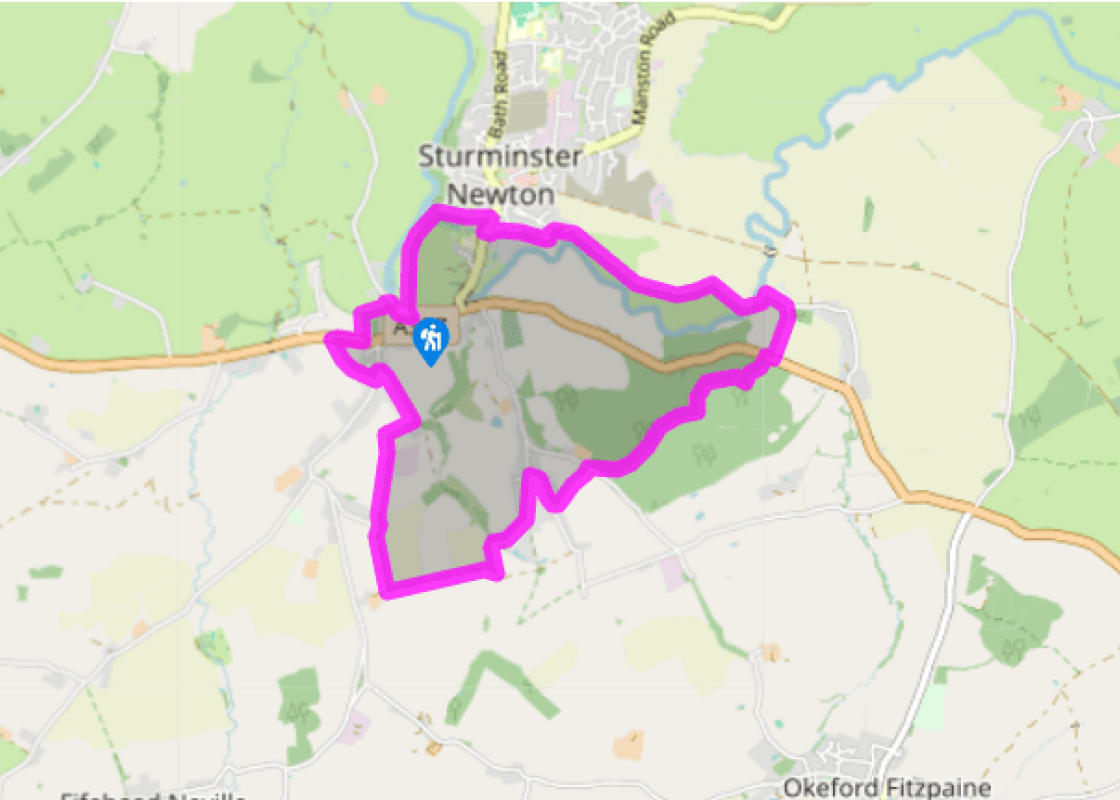
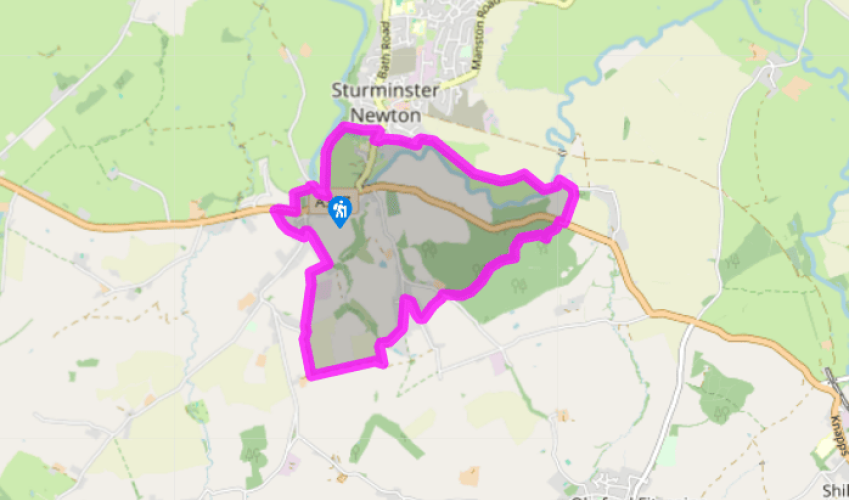
Go down steps past the mill, over three bridges and into a field. Keep left up the edge (signed ‘Colber Bridge’), parallel with the Stour. Go through a kissing gate and up an avenue of trees marking the end of the playing field. Turn right onto a tarmac path and follow this into and along a lane (marked ‘Ricketts Lane’ at the far end). Cross the high street and turn right.
Turn left down Church Lane, to walk to the church. Keep to the right of the church, and at the end of the churchyard go through the gate to go down some steps and into a lane. This bends round to the left. Take the path on the right to Fiddleford Manor and Mill. Go through a kissing gate and bear slightly right over the field, above the river. Go through a kissing gate and bear left along a hedge. Continue straight ahead through another kissing gate. At the far righthand corner cross two footbridges in quick succession and the mill race, to bear right, past the mill. Go down the drive, turn right and right again through a car park to Fiddleford Manor. Return to the lane and turn right.
View all directions
Additional information
Terrain
- Grassy paths, muddy woodland tracks, a rutted lane, roadside walking, pavements
Landscape
- Little hills, valleys and settlements of Blackmoor Vale
Dog friendliness
- Some stiles may be difficult
Parking
- Signposted Sturminster Newton Mill, off A357 just west of Old Town Bridge to south of town; also English Heritage car park at Fiddleford Manor for those visiting the building
Toilets en route
- At car park
About the walk
Sturminster Newton consists of two separate entities linked in the 16th century by the Town Bridge. At its heart is the triangular marketplace, dominated by the Swan Inn. William Barnes, a prominent Dorset dialect poet, was born near here in 1801. A newly married Thomas Hardy wrote The Return of...
Read more

Been on this walk?
Send us photos or a comment about this route. Or recommend a route of your own.

Walking in Safety
Read our tips to look after yourself and the environment when following this walk.
Get an AA guide
Explore our range of ‘50 Walks in’ guides - they’re the ideal companion for a ramble.
Been on this walk?
Send us photos or a comment about this route. Or recommend a route of your own.
Walking in Safety
Read our tips to look after yourself and the environment when following this walk.
Get an AA guide
Explore our range of ‘50 Walks in’ guides - they’re the ideal companion for a ramble.
About the area
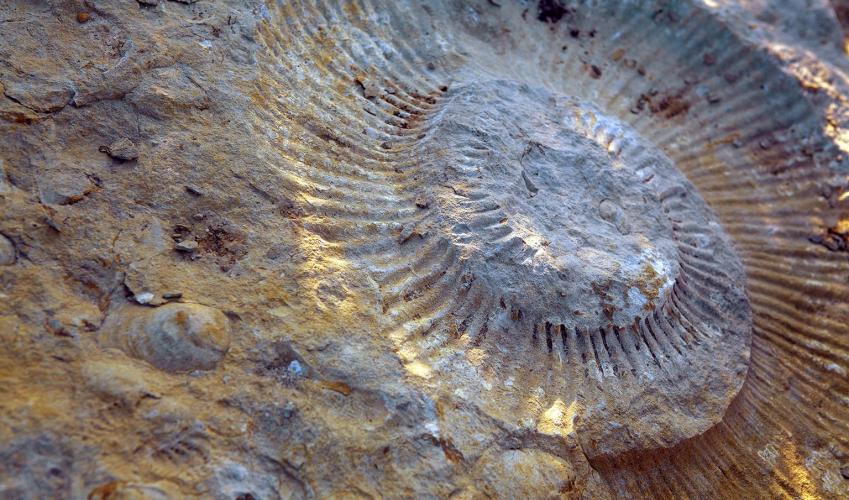
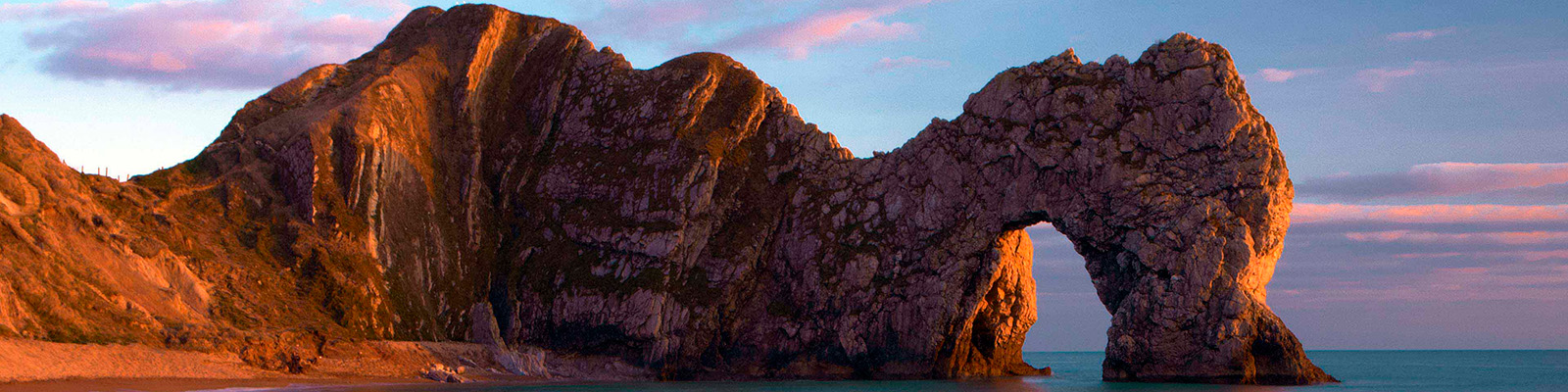
Dorset is made up of rugged coastlines, high chalk downlands and a chain of picturesque villages and seaside towns that make up Britain’s Jurassic Coast, a UNESCO World Heritage Site and Area of Outstanding Natural Beauty, noted for its layers of shale and numerous fossils embedded in the rock. Hidden gems of Dorset can be found down winding, country lanes that lead to snug villages hidden from view.
Nearby places to stay
View all (8)



Nearby places to stay
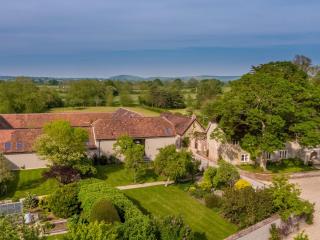
Hammoon Manor Barn
Hammoon Manor offers luxurious self-catering accommodation, located in the heart of Thomas Hardy’s ‘Vale of Little Dairies’ and two and a half hours from Central London. It's surrounded...
Hammoon Manor Barn
Hammoon Manor offers luxurious self-catering accommodation, located in the heart of Thomas Hardy’s ‘Vale of Little Dairies’ and two and a half hours from Central London. It's surrounded...
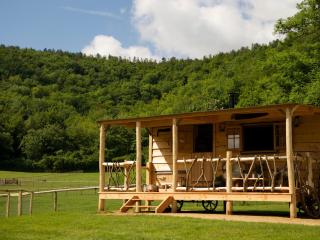
Loose Reins
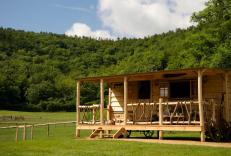
A chance to embrace the pioneer spirit in charming frontier-style porched cedar cabins and canvas lodges in a great location near Shillingstone in Dorset. Comfort assured, with fully eq...
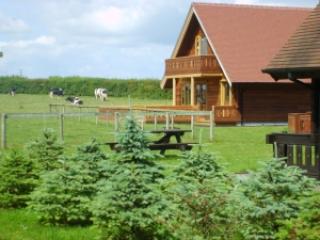
Duncliffe Chalet at Stour Cross Farm
Superb Scandinavian-style chalets with contemporary interiors and spectacular views, all on a working dairy farm. Duncliffe Chalet has its own private hot tub with fully enclosed gazebo...
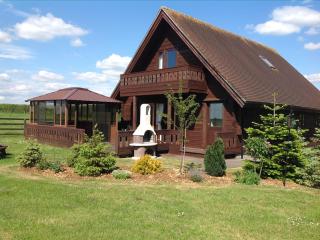
Melbury Chalet Deepest Dorset
With glorious views over green fields and luxurious fittings within, Melbury Chalet is a Scandinavian-style, three-bedroom building that makes an excellent base for family or friends. I...
Duncliffe Chalet
With glorious views over green fields and luxurious fittings within, Melbury Chalet is a Scandinavian-style, three-bedroom building that makes an excellent base for family or friends. I...
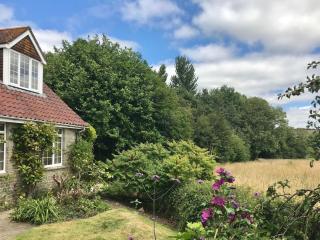
Greygles
This lovely cottage will be a hit with literature buffs keen to explore the Dorset countryside immortalised by Thomas Hardy in his novels. It’s also in prime walking country, a mile fro...
Greygles Cottage
This lovely cottage will be a hit with literature buffs keen to explore the Dorset countryside immortalised by Thomas Hardy in his novels. It’s also in prime walking country, a mile fro...
Places to eat nearby View all