The royal forest of Cranborne Chase
Recommended by

Walk directions
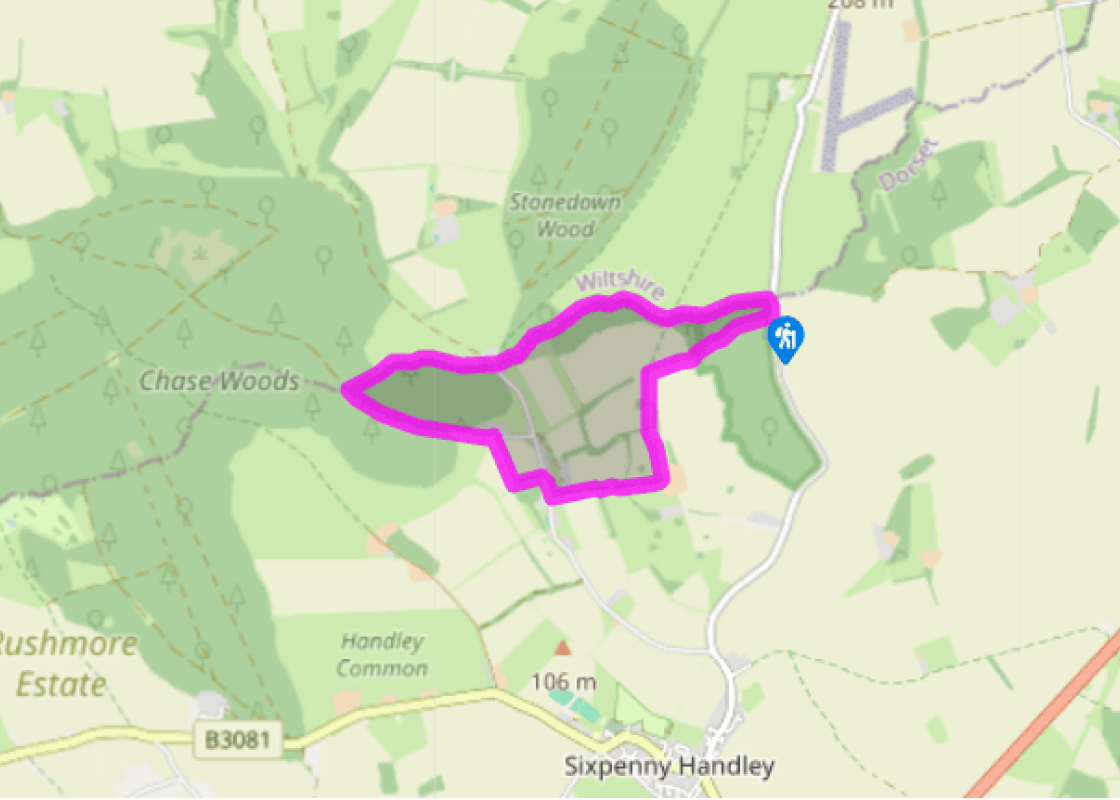
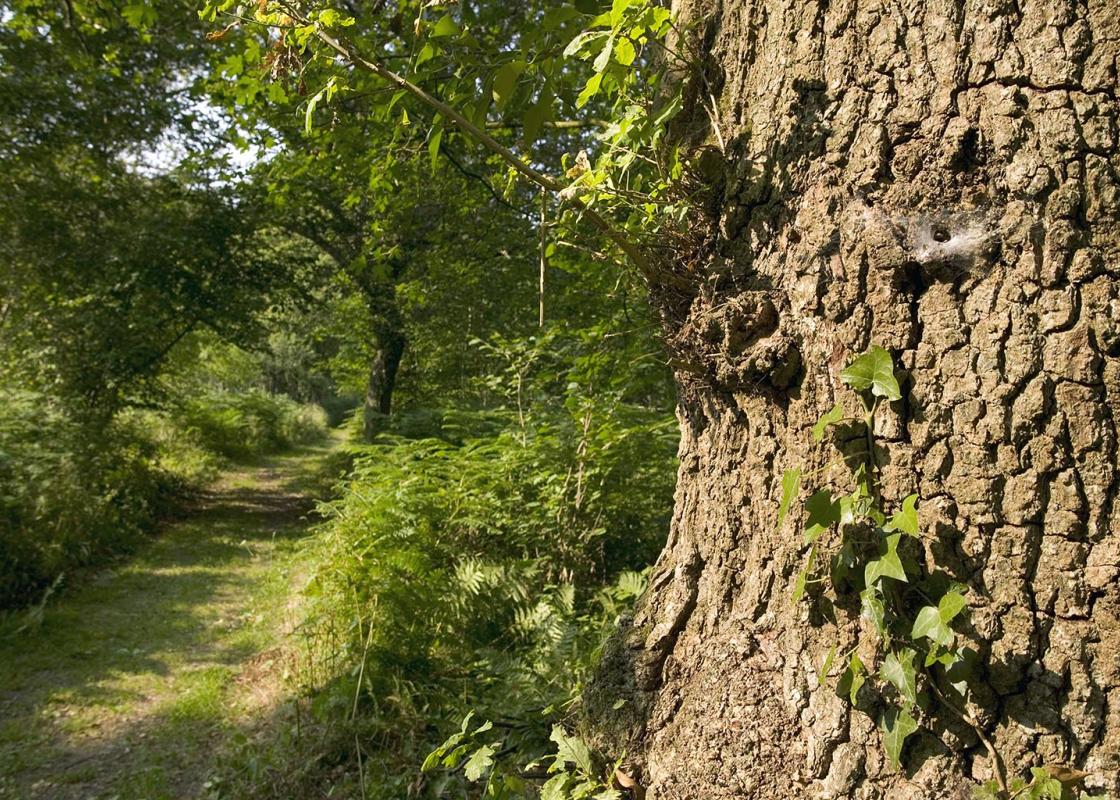
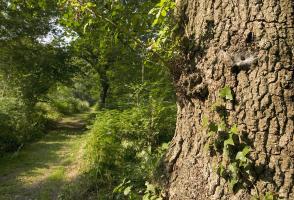
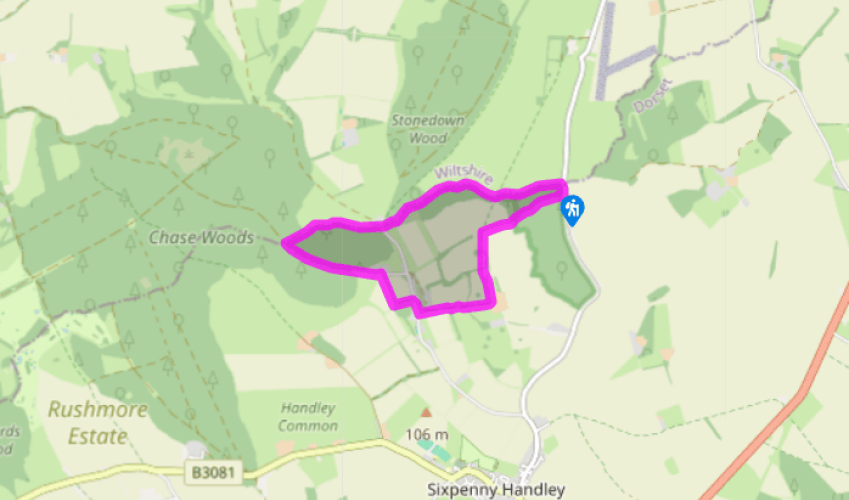
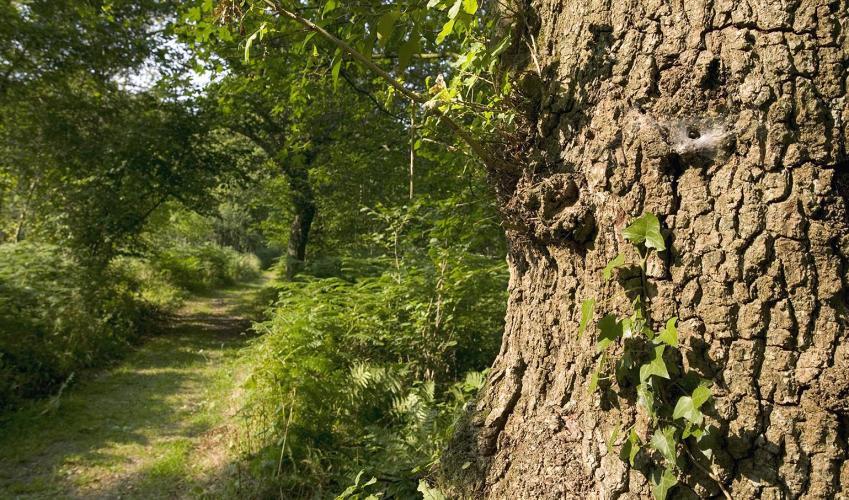
Go through the gate in the corner of the car park and take the broad track that leads up through the woods. Go straight ahead through a kissing gate and emerge at the corner of a field. Keep right for a few paces up the edge of this field to the first corner, then head straight across the field.
At the hedge corner, turn left following the waymark sign and walk along the bridleway with the hedge to your left, through rolling farmland dotted with trees. The muddy farm track leads gently downhill. Where it sweeps left into the farm, go straight ahead on a grassy track. Pass some cow byres on the left, times, and the hunting rights were acquired by King John and retained by most succeeding monarchs until the 17th century. In 1714 they passed to the Pitt-Rivers family, who ruled the area like feudal overlords. Operating under so-called Chase Law and free from normal policing, Cranborne became a byway for smugglers and a refuge for criminals, often with bloody results – especially when conflicts arose over poaching. In 1830, after considerable local pressure, Chase Law was abandoned and life became a little more settled. with Upwood farmhouse largely hidden in some trees ahead, and turn right along the lane. Continue through a gate, along an old avenue of sycamores between high banks and hedges.
View all directions
Additional information
Terrain
- Woodland paths and tracks, quiet roads, farm paths
Landscape
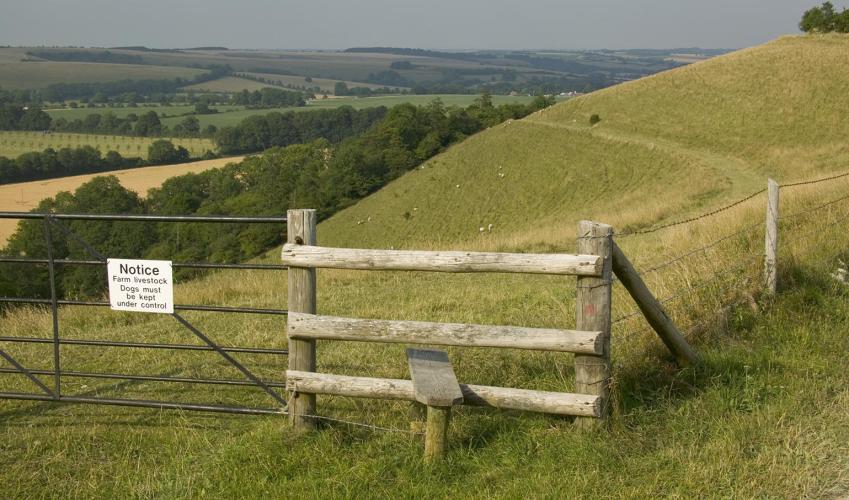
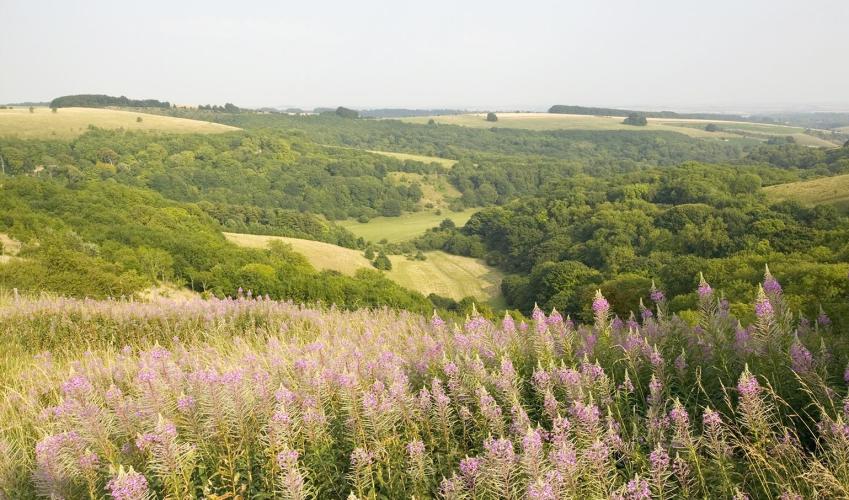
- Woods and valleys of Cranborne Chase
Dog friendliness
- Strict control required in RSPB woods
Parking
- Garston Wood car park, on Bowerchalke Road
Toilets en route
- None on route
About the walk
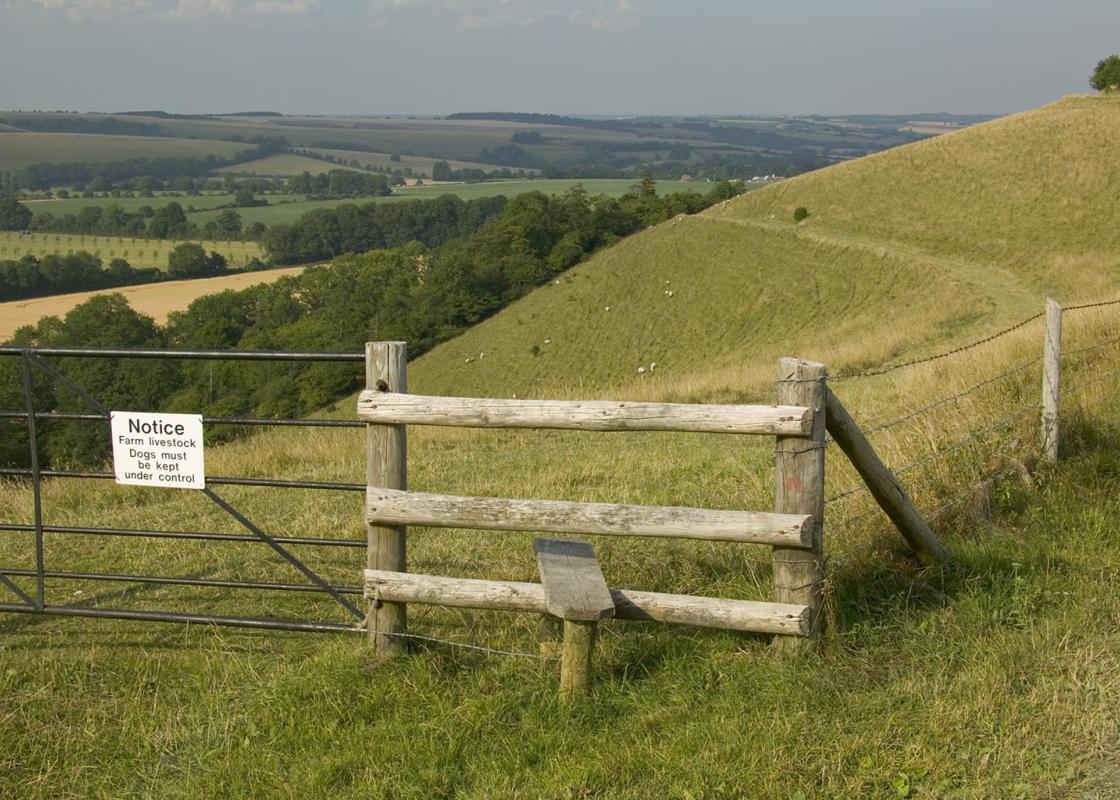
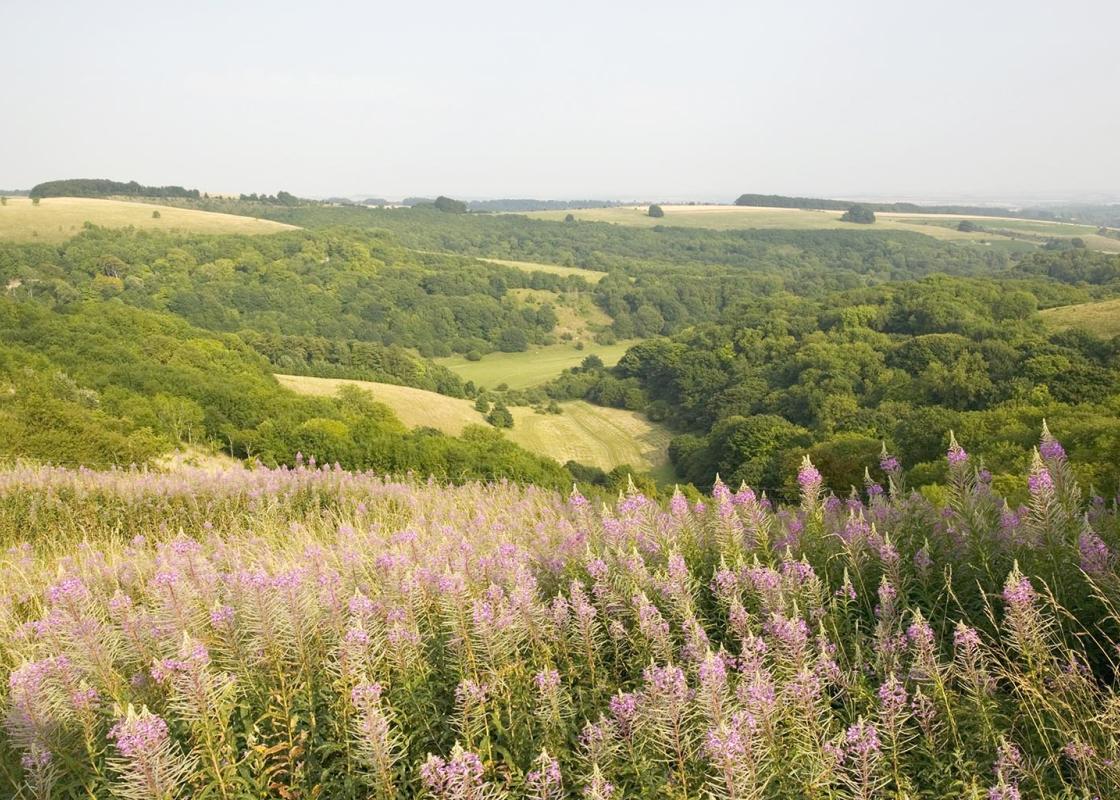
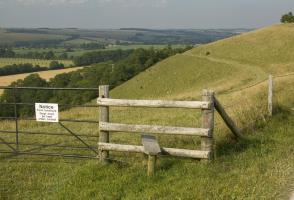
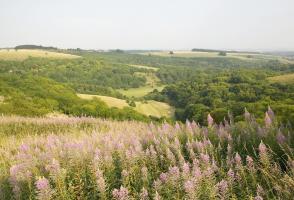
Cranborne Chase covers around 100sq miles (260sq km) of the long chalk massif that straddles the Dorset/Wiltshire border east of Shaftesbury. Once a royal hunting preserve, it is now rolling grassland with pockets of mixed woodland. Compared with other parts of Dorset, there are few settlements...
Read more

Been on this walk?
Send us photos or a comment about this route. Or recommend a route of your own.

Walking in Safety
Read our tips to look after yourself and the environment when following this walk.
Get an AA guide
Explore our range of ‘50 Walks in’ guides - they’re the ideal companion for a ramble.
Been on this walk?
Send us photos or a comment about this route. Or recommend a route of your own.
Walking in Safety
Read our tips to look after yourself and the environment when following this walk.
Get an AA guide
Explore our range of ‘50 Walks in’ guides - they’re the ideal companion for a ramble.
About the area
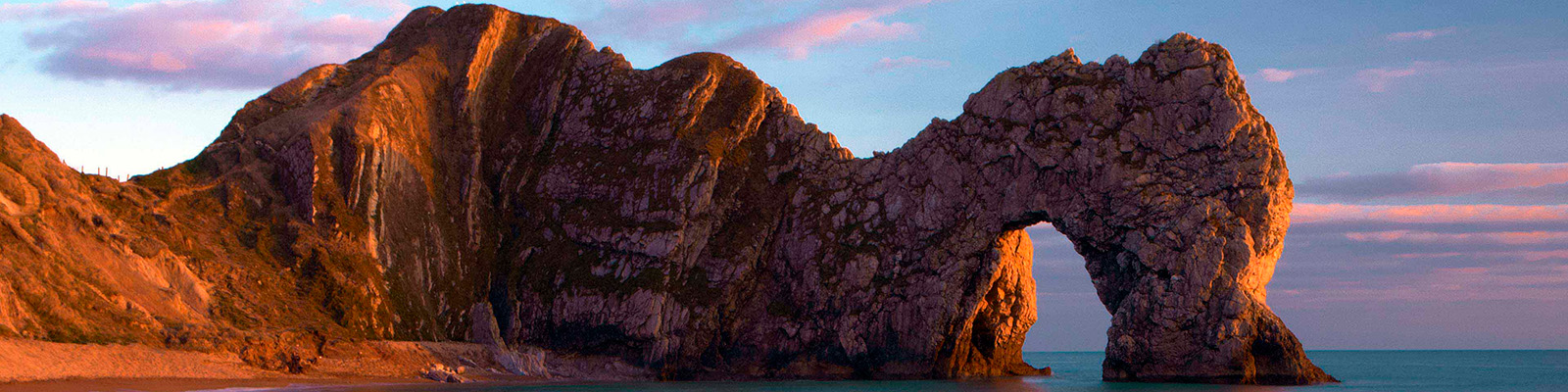
Dorset is made up of rugged coastlines, high chalk downlands and a chain of picturesque villages and seaside towns that make up Britain’s Jurassic Coast, a UNESCO World Heritage Site and Area of Outstanding Natural Beauty, noted for its layers of shale and numerous fossils embedded in the rock. Hidden gems of Dorset can be found down winding, country lanes that lead to snug villages hidden from view.
Nearby places to stay
View all (8)
Caravan & Camping
Church Farm Caravan & Camping Park

- Launderette
- Ice pack facility
- Cafe/Restaurant
- Picnic Area



Nearby places to stay
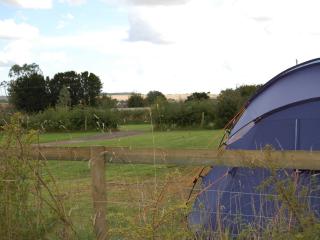
Church Farm Caravan & Camping Park
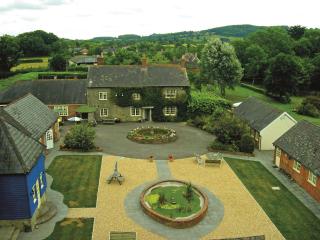
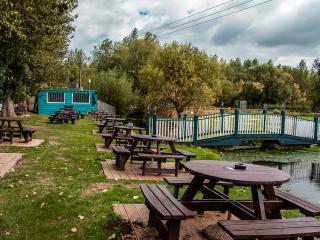
A spacious park located within the Cranborne Chase Area of Outstanding Natural Beauty which has been awarded Dark Sky status; the site is split into several camping areas, including one...
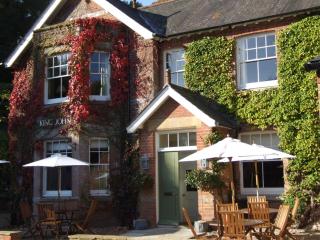
King John Inn
Very much the traditional village inn, the King John Inn has so much appeal, located in the sleepy village of Tollard Royal, on the borders of Wiltshire and Dorset. The bedrooms have be...
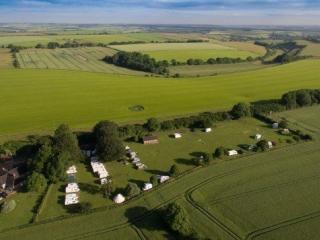
Summerlands Caravan Park
A quiet family-run campsite off the beaten track. The site affords peace and tranquillity with panoramic views and level grass pitches. Situated within the Cranborne Chase, an AONB, six...
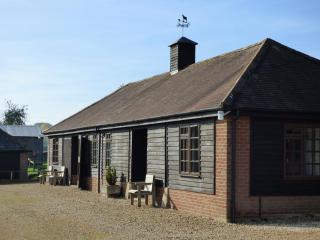
West Farm Lodges
Farm buildings were converted into four attractive and comfortable two-bedroom lodges. Guests will enjoy the peaceful rural setting, although Verwood is just a mile away. You can walk t...
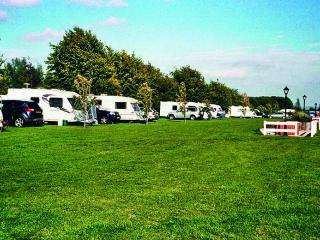
Coombe Touring Park
Coombe Touring Park is a very neat and attractive site adjacent to the racecourse with views over the downs. The park is well landscaped with shrubs and maturing trees, and the very col...
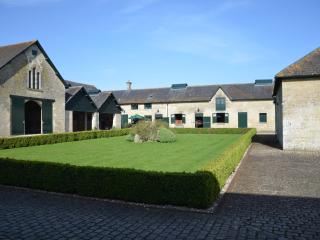
Manor Farm Teffont
Cool pet-friendly holiday cottages in a sustainable country setting...
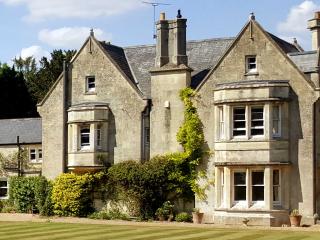
Burcombe Manor B&B
Located in the village of Burcombe, only five miles west of Salisbury, Burcombe Manor is a family home set at the edge of a 1300-acre farm with views out over the water meadows. Bedroom...
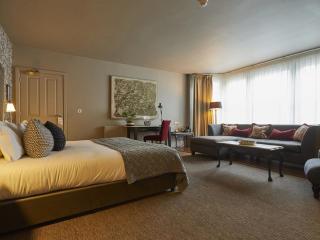
Grosvenor Arms
The Grosvenor Arms is a boutique hotel in Shaftesbury. With Georgian features, contemporary design, and fabulous seasonal menus, it is a quality place to eat, drink and stay in the anci...
Places to eat nearby View all