Burwash – Rudyard Kipling's Home
Recommended by

Our view
"Visit the National Trust home of one of Britain's most celebrated writers on this lovely walk in the Dudwell Valley."
Walk directions
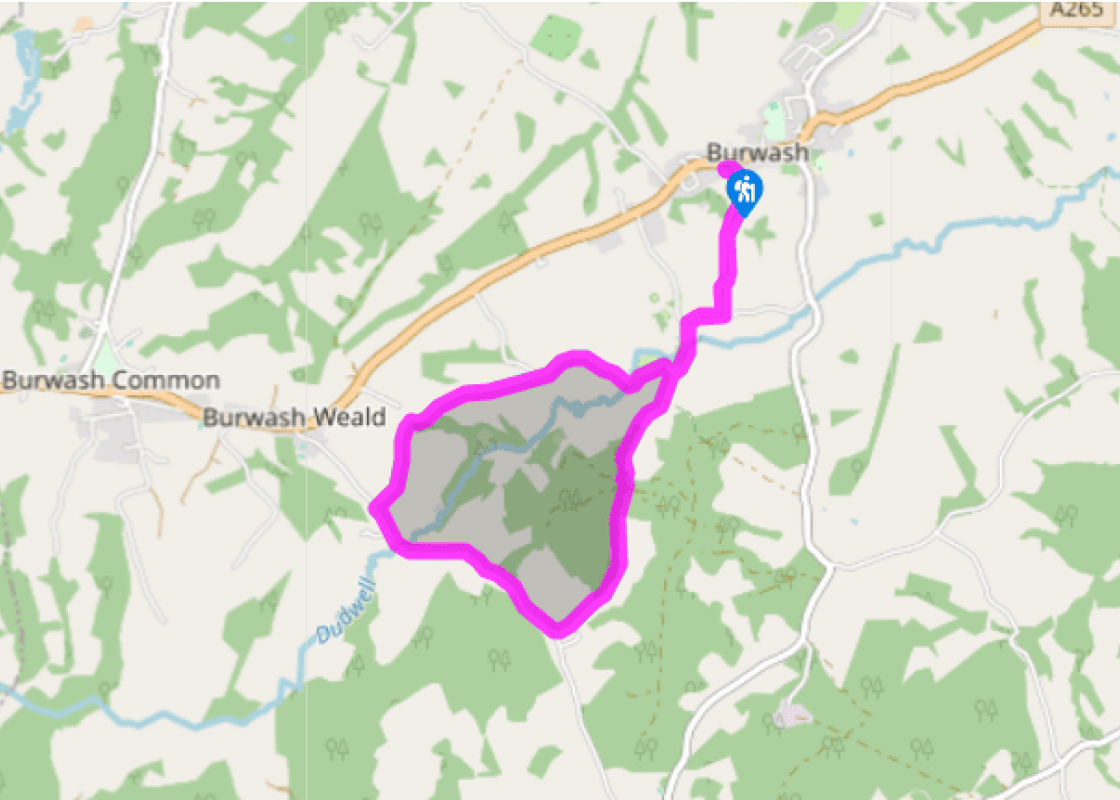
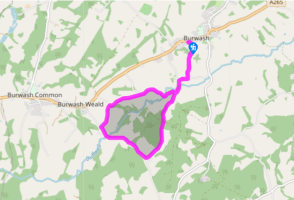
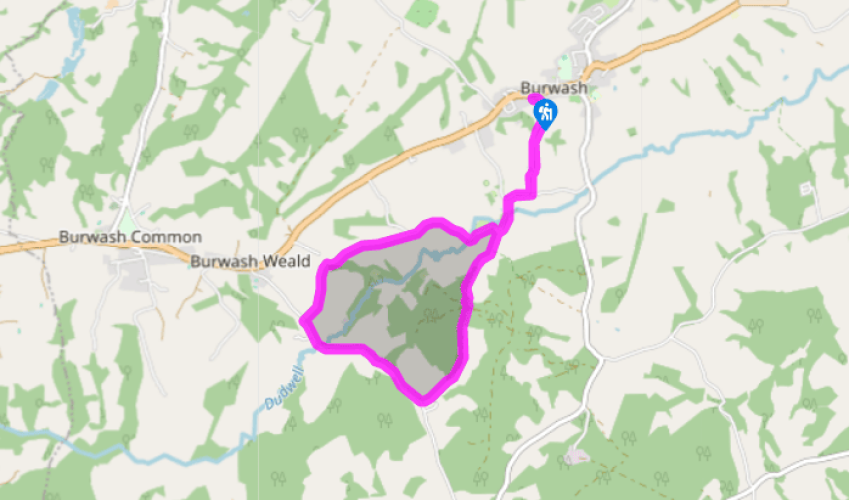
Make for the footpath behind the toilet block. Follow the path down the slope and, at a junction of paths, cross the plank bridge and gate on the right. Continue ahead, making for the next gate, and keep the boundary hedge on your right. Pass through another gate and then head diagonally down the field. Make for a gap in the field corner, follow the left-hand field-edge to a stile and exit to the road. (Make a mental note of this point, as you will return to it later.)
Turn right and follow the lane along to Bateman’s. Keep left in front of the house itself and proceed past some other houses. At Park Farm ignore the arrowed gate on the left and continue through the farm, then bear left uphill, This glorious valley walk passes Bateman’s near the start and then again towards the finish, enabling you to choose when you go there to visit. A tour of the house and gardens reveals how the National Trust has preserved the character and integrity of the man, as well as the atmosphere of the place. Kipling died in 1936, after 34 years at Bateman’s. Looking at the house today, it is not difficult to see why he described it as ‘a real house in which to settle down for keeps… a good and peaceable place’. through the edge of some woodland to a gate. Head up the field slope, keeping the trees on your immediate right. Look for a gate and bridleway post on the right, passing through the wood.
View all directions
Additional information
Terrain
- Field and woodland paths, stretches of minor road, several stiles
Landscape
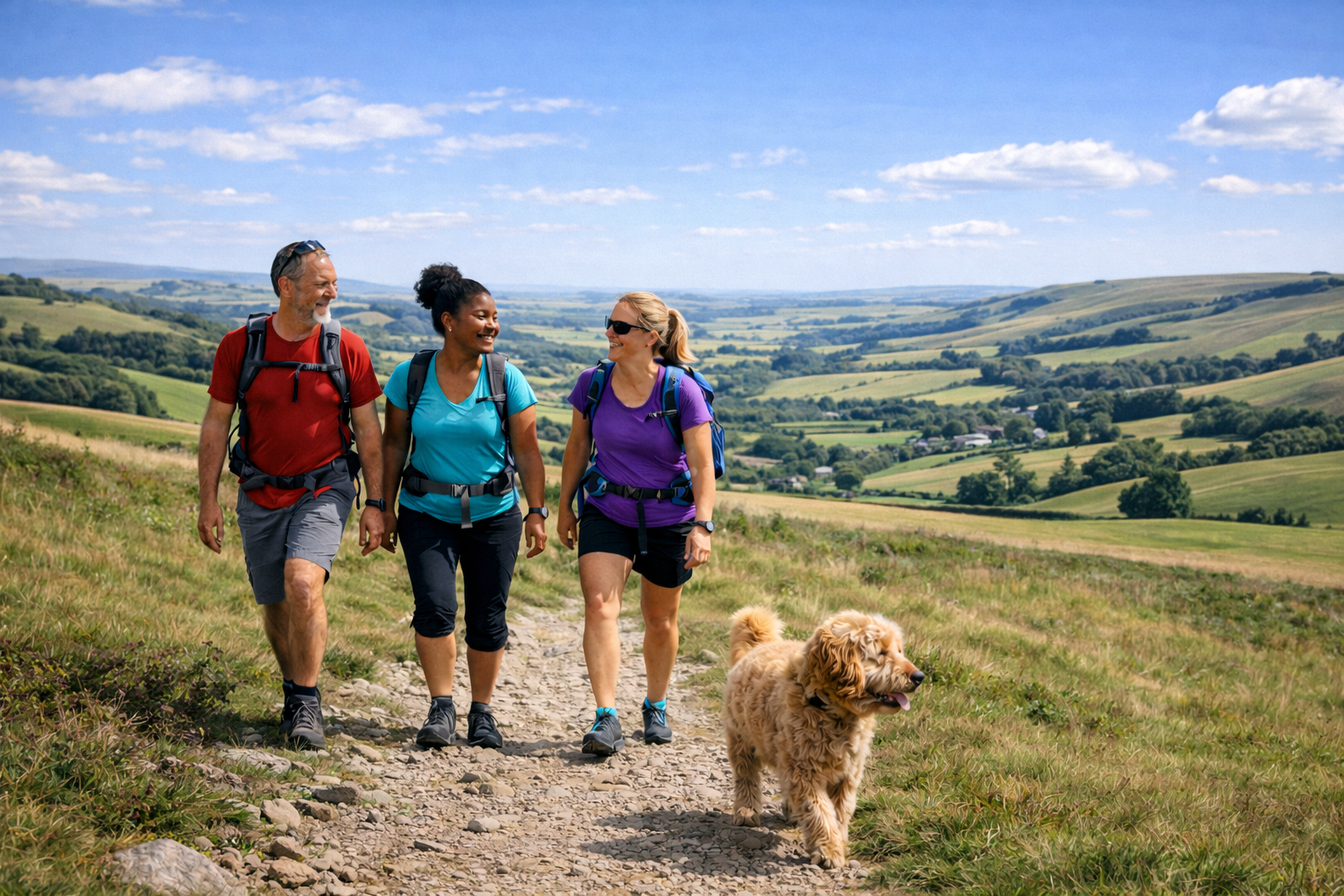
- Rolling, semi-wooded countryside of the Dudwell Valley
Dog friendliness
- Dogs on lead in vicinity of Bateman’s and Park Farm and on stretches of farmland. Off lead on woodland paths and tracks. Bateman’s is dog friendly but has a few rules it asks dog owners to abide by.
Parking
- Car park off A265 in Burwash village
Toilets en route
- At car park
About the walk
Bateman’s, in the village of Burwash, was Rudyard Kipling’s refuge. This was his spiritual home, and it was here that he found true happiness. Touring the house and exploring the garden, it’s not difficult to see why he fell in love with the place. It is a charming family home, small and intimate,...
Read more

Been on this walk?
Send us photos or a comment about this route. Or recommend a route of your own.

Walking in Safety
Read our tips to look after yourself and the environment when following this walk.
Get an AA guide
Explore our range of ‘50 Walks in’ guides - they’re the ideal companion for a ramble.
Been on this walk?
Send us photos or a comment about this route. Or recommend a route of your own.
Walking in Safety
Read our tips to look after yourself and the environment when following this walk.
Get an AA guide
Explore our range of ‘50 Walks in’ guides - they’re the ideal companion for a ramble.
About the area
East Sussex is a land of stately homes, castles and the South Downs, with miles of chalk cliffs overlooking the English Channel. For history buffs, there are a great many historic landmarks within Sussex, such as the battlefield where the Battle of Hastings took place, or visitors can enjoy pretty towns such as Lewes, Rye and Uckfield and the city of Brighton.
Nearby places to stay
View all (8)

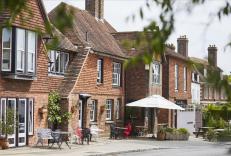


Nearby places to stay
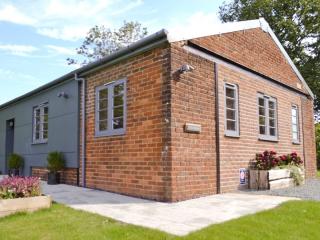
The Old Workshop
The Old Workshop is a self-catering cottage set in rolling hills of the weald countryside, an area of outstanding natural beauty. The peaceful location is overlooking fields yet within ...
The Old Workshop
The Old Workshop is a self-catering cottage set in rolling hills of the weald countryside, an area of outstanding natural beauty. The peaceful location is overlooking fields yet within ...
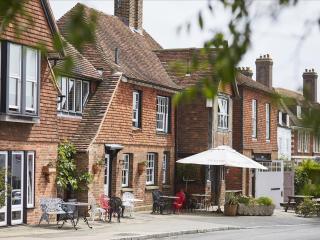
The Bell in Ticehurst
Located in the very centre of picturesque Ticehurst, this inn has plenty of original character and lots of quirky features. The bedrooms throughout are individual in design, each with i...
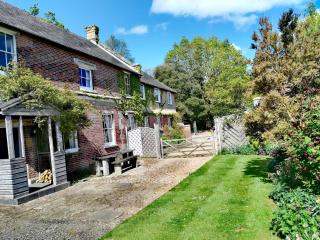
Castle Cottage
Castle Cottage is a light spacious Regency coach house in the grounds of the historic Wadhurst Castle. The estate is situated in an area of outstanding natural beauty with stunning vie...
Castle Cottage
Castle Cottage is a light spacious Regency coach house in the grounds of the historic Wadhurst Castle. The estate is situated in an area of outstanding natural beauty with stunning vie...
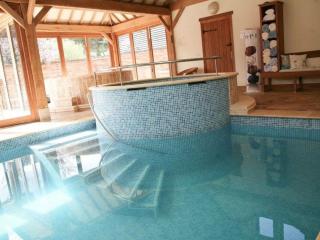
Old Spot Cottage
Situated in an Area of Outstanding Natural Beauty (AONB), Old Spot Cottage is one of four cottages on the picturesque Poppinghole Farm. Offering the perfect mix of country charm and mod...
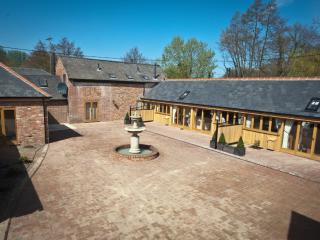
Poppinghole Farm
Poppinghole Farm is situated in an Area of Outstanding Natural Beauty in the Sussex countryside and is close to many historic towns, castles, seaside resorts and gardens. The four luxur...
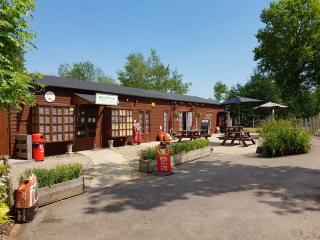
Senlac Wood
A woodland site with many secluded hardstanding bays and two peaceful grassy glades for tents. The toilet facilities are clean, tidy and well maintained. This campsite is ideal for anyo...
Places to eat nearby View all