A walk from Chilson to the Wychwood
Recommended by

Our view
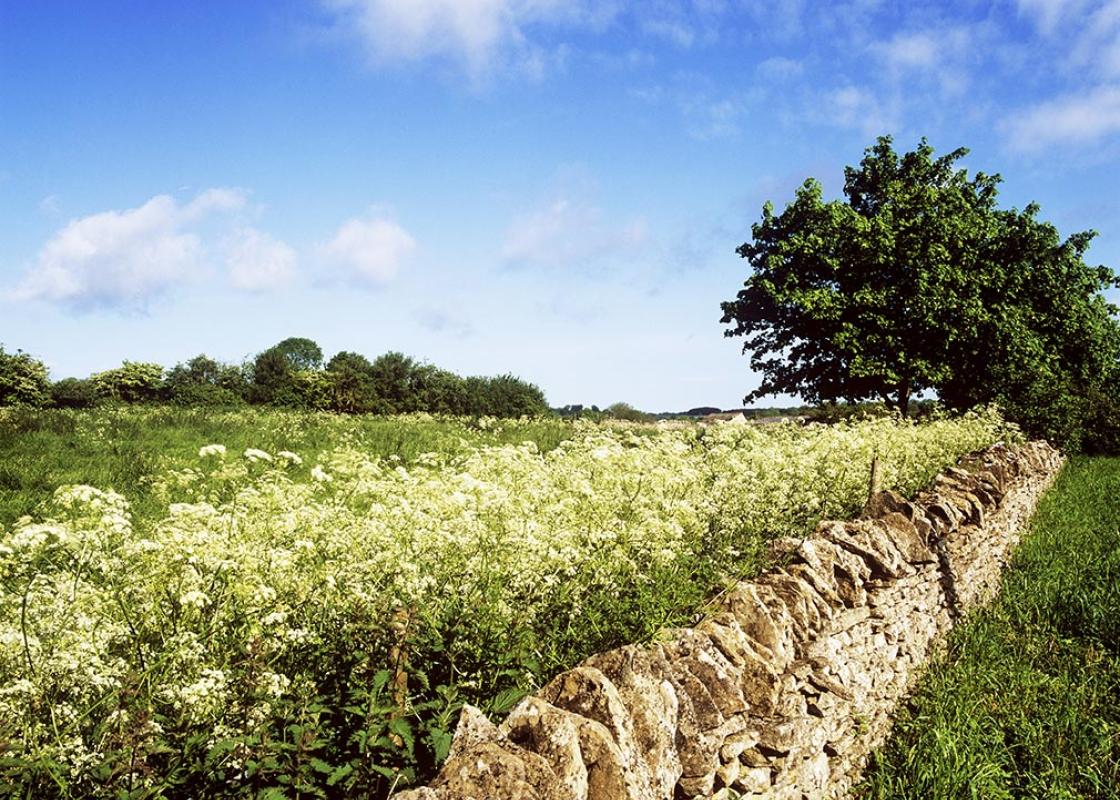
"A gentle walk through rolling Oxfordshire farmland and a corner of an ancient forest."
Walk directions
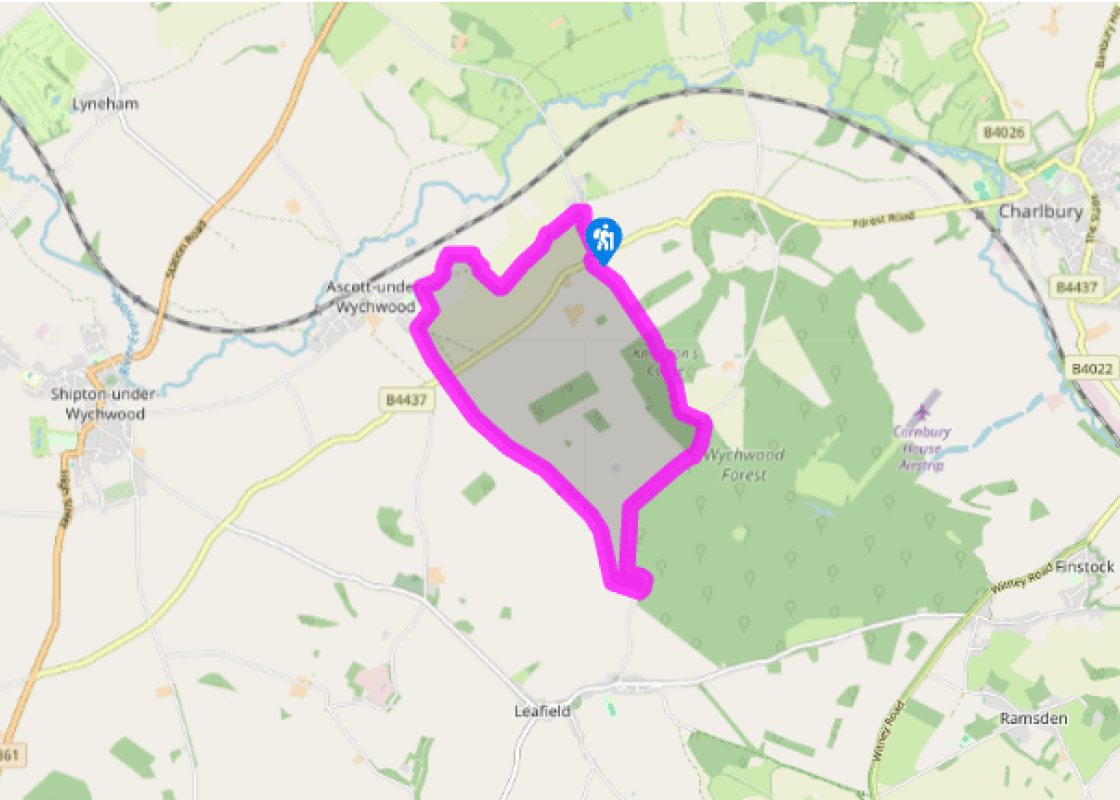
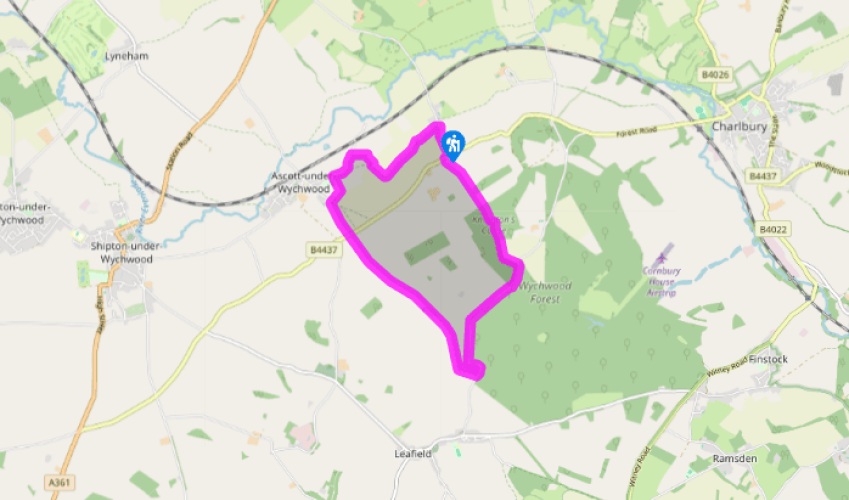
At the postbox on the village street, turn up the adjacent School Lane, passing various houses and the Old School at the end on the right. Follow the bridleway straight on into the field ahead, with the hedge to your right, passing through two gates. Stay on the path round the edge of the field as it kinks left then right. Keep straight on, descend steadily, and follow as the track bends right. At the hedge in the far corner turn right then immediately left through the second of two wide openings in the hedge. Keep left round the edge of the field towards Ascott-under-Wychwood to meet a lane.
Turn left along the lane through Ascott d’Oyley. Beyond d’Oyley House and just before a recreation ground, turn left up a track, Priory Lane, which becomes a grassy path under trees. It bends sharp right at a path junction and, after passing some allotments, emerges at a road by a house. Turn left up the road and cross the main road at the top with care, then continue straight ahead up the lane, signed ‘Restricted byway’. Follow this straight uphill for a mile (1.6km) to pass through the buildings of Kingstanding Farm.
View all directions
Additional information
Terrain
- Field paths, quiet roads, woodland tracks
Landscape
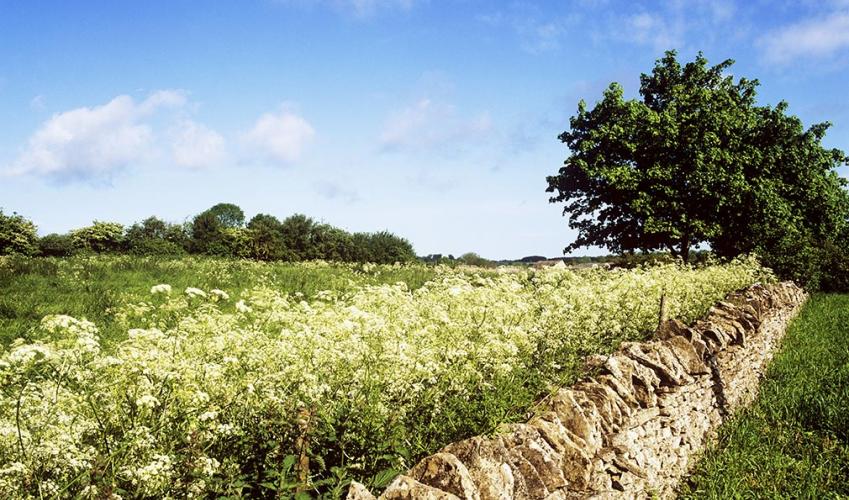
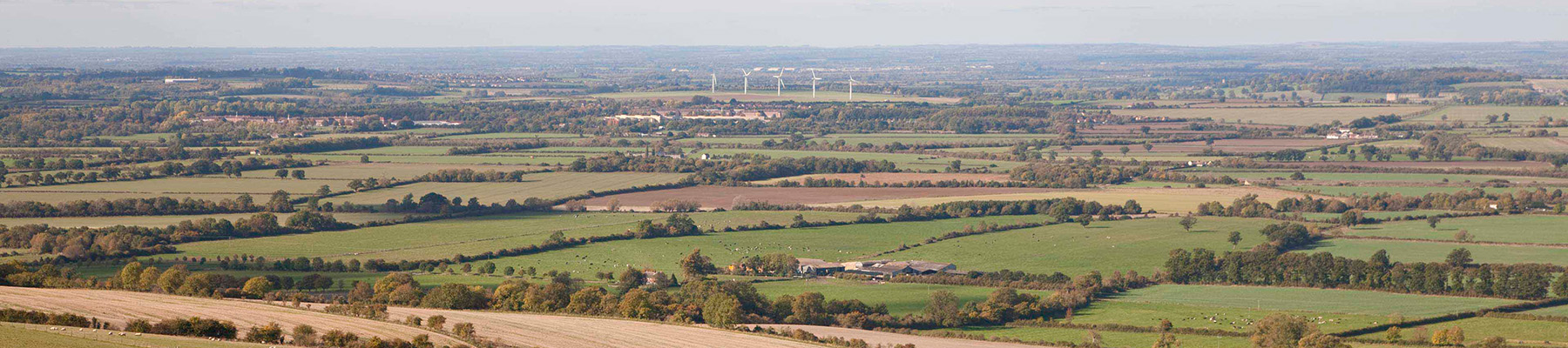
- Gently rolling hills of arable farmland, ancient woods
Dog friendliness
- Lead essential for road stretches, otherwise excellent
Parking
- On village street near postbox, Chilson
Toilets en route
- None on route
About the walk
The Wychwood takes its name from a local Saxon tribe, the Hwicce. At the time of the Norman conquest, Wychwood Forest was one of four royal hunting grounds in England, and covered most of western Oxfordshire. The leafy remains of these once magnificent lands are now mostly confined to the hilltops...
Read more

Been on this walk?
Send us photos or a comment about this route. Or recommend a route of your own.

Walking in Safety
Read our tips to look after yourself and the environment when following this walk.
Get an AA guide
Explore our range of ‘50 Walks in’ guides - they’re the ideal companion for a ramble.
Been on this walk?
Send us photos or a comment about this route. Or recommend a route of your own.
Walking in Safety
Read our tips to look after yourself and the environment when following this walk.
Get an AA guide
Explore our range of ‘50 Walks in’ guides - they’re the ideal companion for a ramble.
About the area
Located at the heart of England, Oxfordshire enjoys a rich heritage and varied scenery, with Oxford’s elegant streets a highlight for visitors. The landscape encompasses open chalk downland, picturesque rivers and attractive villages, while northwest of Oxfordshire is home to the sleepy backwaters of Abingdon, Wallingford, Wantage, Watlington and Witney that reveal how Oxfordshire’s old towns evolved over the centuries.
Nearby places to stay
View all (8)




Nearby places to stay
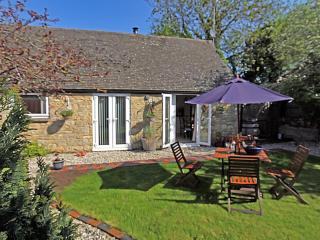
Lower End Barn
Just a few miles from Charlbury with its excellent pubs and quirky shops, Lower End Barn is a quaint Cotswold cottage packed with character and original features. Popular with families ...
Lower End Barn
Just a few miles from Charlbury with its excellent pubs and quirky shops, Lower End Barn is a quaint Cotswold cottage packed with character and original features. Popular with families ...
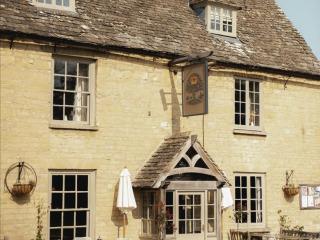
The Royal Oak
At the centre of a tranquil Cotswolds village, The Royal Oak offers five comfy and individually styled rooms. The charming 17th-century inn has heaps of cosy traditional character in th...
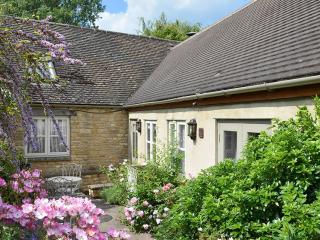
Cope Cottage
Awaiting description...
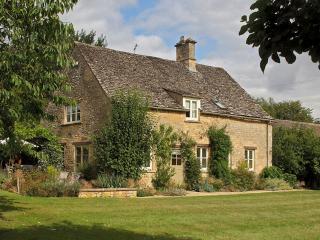
Bruern Holiday Cottages
The luxury self-catering cottages at Bruern offer the comfort and attention to detail of a good hotel, but are also a paradise for children. Bruern is simply unique, from the English Co...
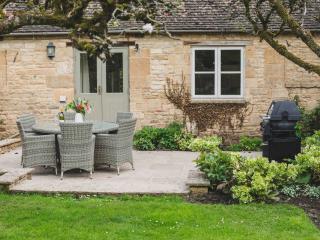
Shipton Cottage
Awaiting description...
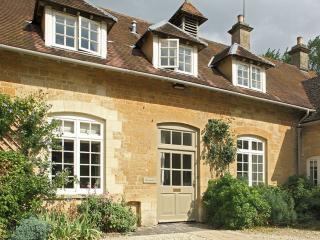
Newmarket Cottage
Awaiting description...
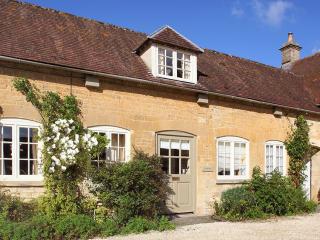
Saratoga Cottage
Awaiting description...
Places to eat nearby View all