Oxfordshire Way: Ascott-under-Wychwood to Wootton Door
Recommended by
Walk directions
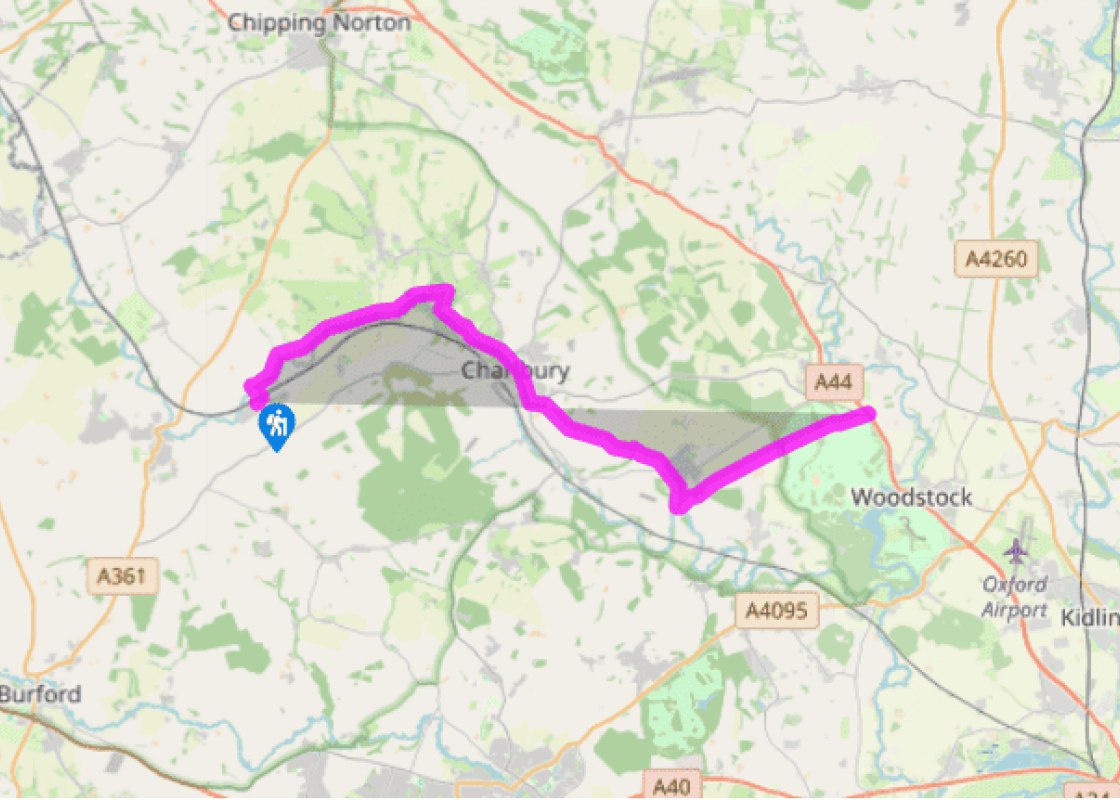
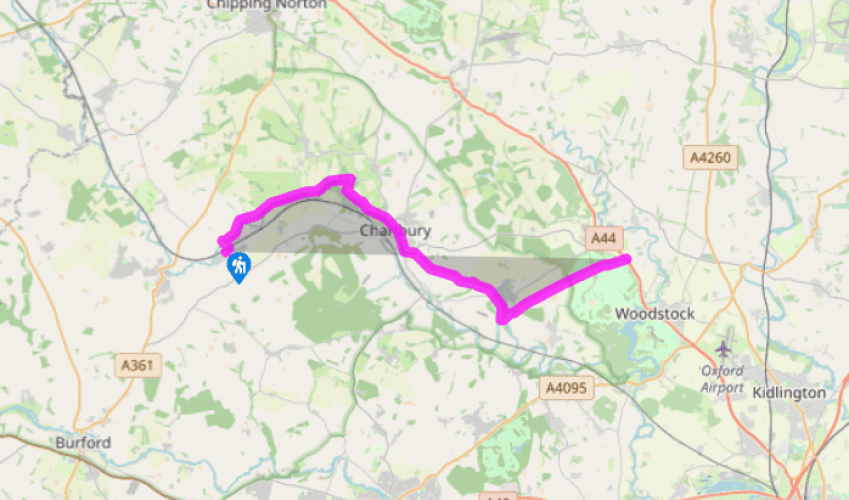
From Ascott-under-Wychwood to Charlbury, where a vestige of the medieval forest remains, the Oxfordshire Way is strongly aware of this former haunt of beasts of the chase. The route leaves Ascott by crossing the railway and, ignoring a first footpath to the right for the Wychwood Way, taking a second just beyond the River Windrush. The route initially follows the River Evenlode through to Charlbury. It passes the grassy remains of Ascott D’Oyley Castle, just outside Ascott-under-Wychwood, and is partly coincident with the Wychwood Way.
In 3 miles (4.9km), just arriving in woodland, bear right at a fork to follow the footpath not bridleway. In 400m, at a stony track, turn right. Then, in approximately another 400m, left to cross a field to a prominently placed gate and footbridge. Cross several paddocks to reach the B4026, where you turn right into Charlbury. Keep on the road through Charlbury to a road junction and take the road to Woodstock before turning up Stonesfield Lane.
At Forest Cottage and Pippins turn right onto an often muddy bridleway for one mile (1.6km). Continue straight at a crossroads of bridleways. Meeting a track follow it until it bends sharp left in a valley and take the gate and field path on left to walk by the hedge. At the end of the field, turn left and immediately right onto a long tarmac drive.
In 300m, approaching Stonesfield, continue straight on at crossroads of stony tracks and at the road, diagonally across, to walk between houses. With the Stonesfield Methodist Church in front of you, turn right into Churchfield. At the end of the lane turn right into Brook Lane and follow the path steeply downhill. This passes the deserted ‘slate’ quarries, now a series of hollows and low green mounds, and also provides the opportunity of visiting the Roman villa at North Leigh, just off the Oxfordshire Way. The banks of the Evenlode is a lovely spot to stop for a picnic but, to continue on the route, turn left through a kissing gate 30m before the bridge across the river.
Here, at At Stonesfield Common, you join Akeman Street, the Roman road from Bath to Bicester, where it rises over the last long spur of the Cotswolds. Just beyond the Combe–Stonesfield road it passes the site of a Roman villa, the first to be discovered and recorded in this country, though little now remains to show that it ever existed.
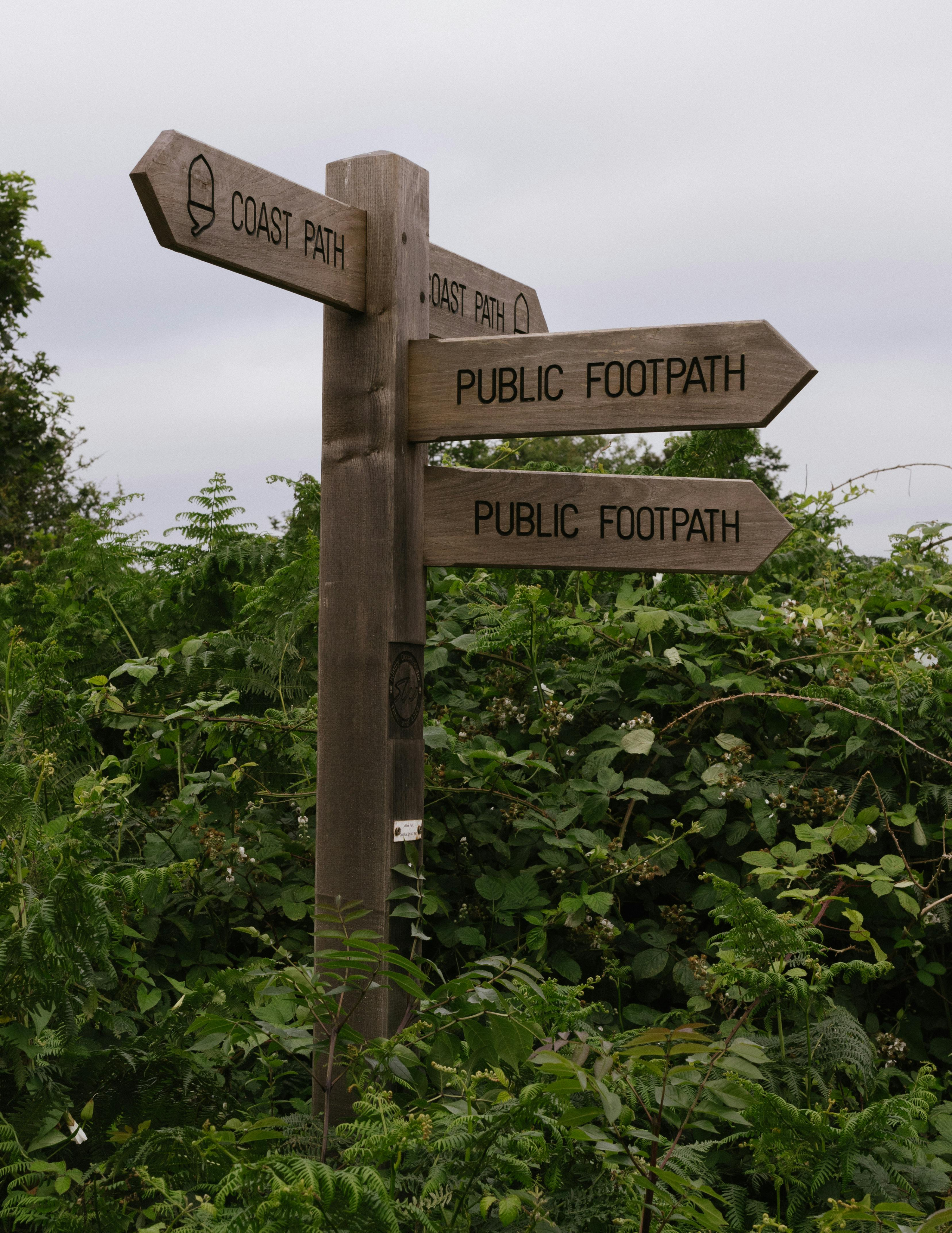
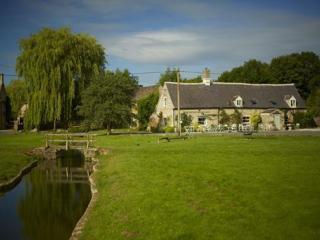
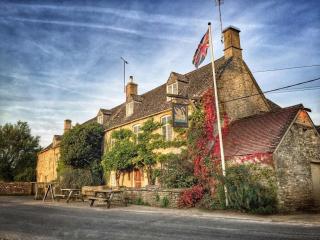
The Oxfordshire Way runs across the heart of England, along ancient rights of way, all of which existed long before they were thus joined together, passing through historic settlements and crossing the grain of the country. The old tracks and field paths have been used for centuries. Some are... prehistoric, some are Roman, and many were first trodden in Saxon times. They link villages and hamlets mentioned in the Domesday Book of 1086. The inns of these places usually provide food and accommodation, bed-and- breakfast can be found on or close to the route, and there are some campsites. Village shops survive in surprising numbers. Charlbury, which climbs up the hillside on a crook of the Evenlode, was at the centre of the glove-making industry in the days when Cotswold wool reigned supreme. Additionally, it has the distinction of being the birthplace of the first woman to preach publicly in London. Her name was Anne Downer, and she was born in 1624. Charlbury has shops, a museum and four hostelries. From Charlbury on to Stonesfield, famed for its ‘slates’, slabs of limestone split along the bedding planes to make a roofing material so splendid and so heavy that roofs had to be specially constructed to take the weight. The Romans quarried ‘slates’ here, and ‘slates’ continued to be cut until 1909. Interestingly, the ‘slate beds’ are full of fossils, from oyster shells to dinosaurs.
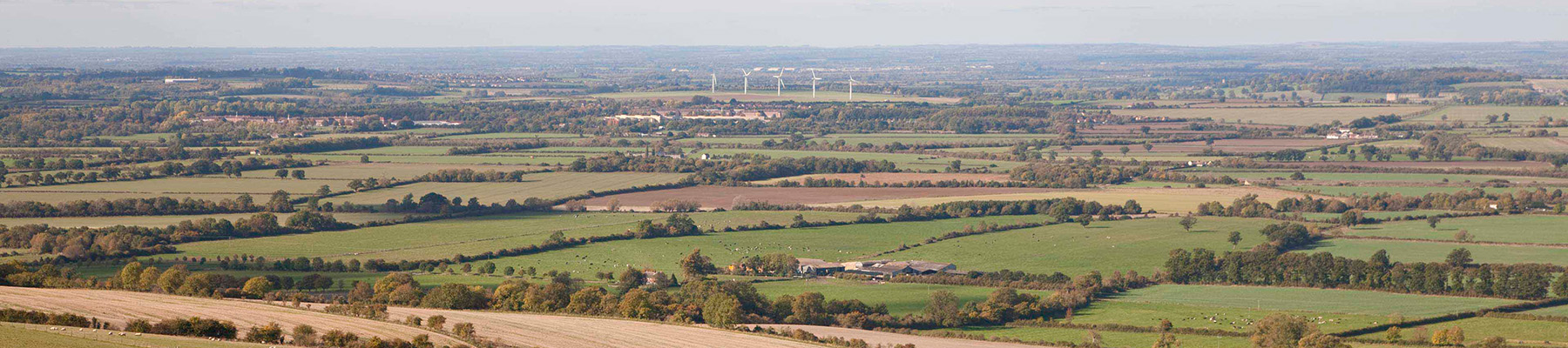
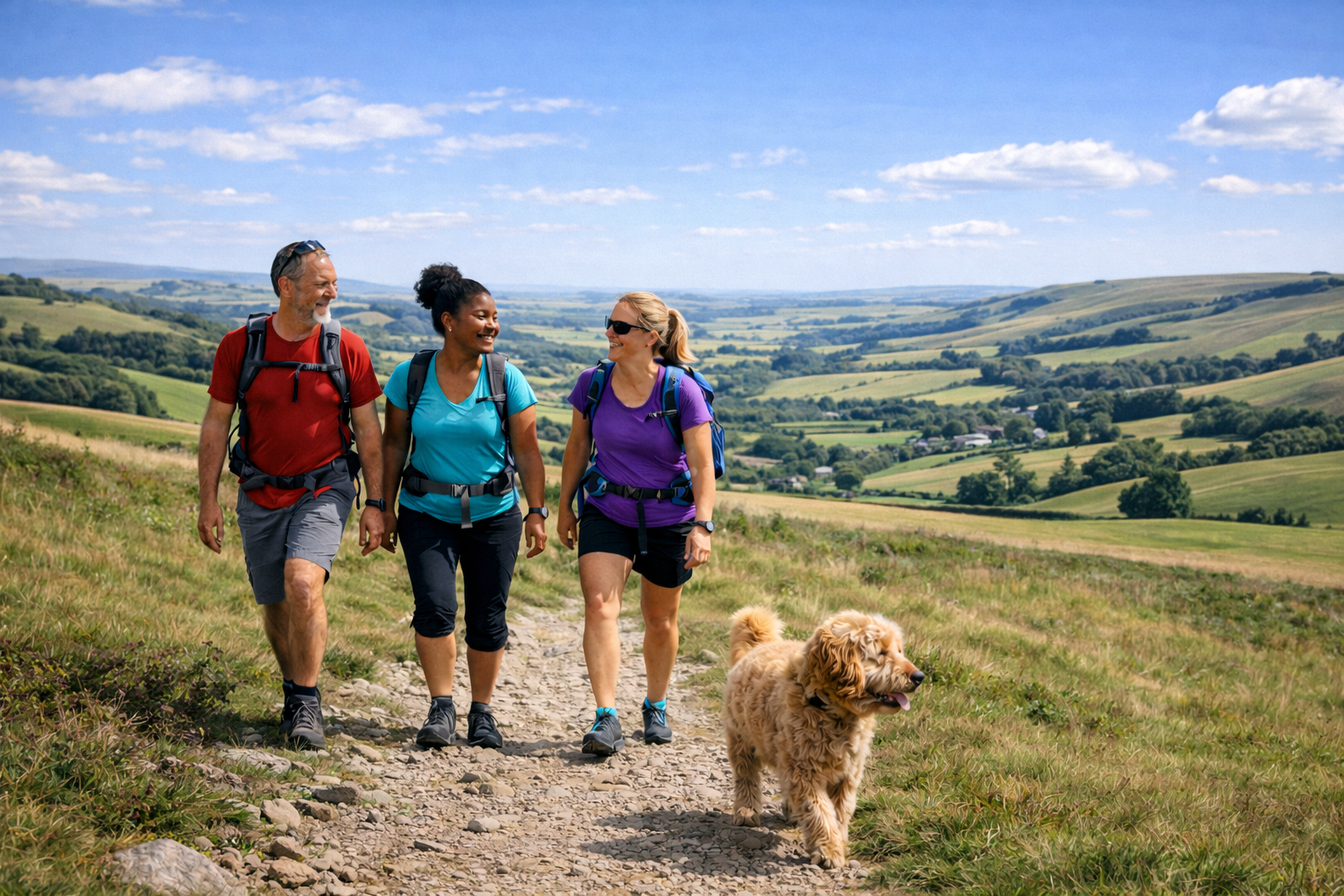
Located at the heart of England, Oxfordshire enjoys a rich heritage and varied scenery, with Oxford’s elegant streets a highlight for visitors. The landscape encompasses open chalk downland, picturesque rivers and attractive villages, while northwest of Oxfordshire is home to the sleepy backwaters of Abingdon, Wallingford, Wantage, Watlington and Witney that reveal how Oxfordshire’s old towns evolved over the centuries.
Oxfordshire Way: Ascott-under-Wychwood to Wootton Door
Recommended by
Walk details
4hrs 45min
Difficulty:
Easy
Gradient:
Gentle
Distance:
11.1 miles (17.9kms)
Ascent:
377ft (115m)
Walk directions
From Ascott-under-Wychwood to Charlbury, where a vestige of the medieval forest remains, the Oxfordshire Way is strongly aware of this former haunt of beasts of the chase. The route leaves Ascott by crossing the railway and, ignoring a first footpath to the right for the Wychwood Way, taking a second just beyond the River Windrush. The route initially follows the River Evenlode through to Charlbury. It passes the grassy remains of Ascott D’Oyley Castle, just outside Ascott-under-Wychwood, and is partly coincident with the Wychwood Way.
1 of 5
In 3 miles (4.9km), just arriving in woodland, bear right at a fork to follow the footpath not bridleway. In 400m, at a stony track, turn right. Then, in approximately another 400m, left to cross a field to a prominently placed gate and footbridge. Cross several paddocks to reach the B4026, where you turn right into Charlbury. Keep on the road through Charlbury to a road junction and take the road to Woodstock before turning up Stonesfield Lane.

2 of 5
At Forest Cottage and Pippins turn right onto an often muddy bridleway for one mile (1.6km). Continue straight at a crossroads of bridleways. Meeting a track follow it until it bends sharp left in a valley and take the gate and field path on left to walk by the hedge. At the end of the field, turn left and immediately right onto a long tarmac drive.
3 of 5
In 300m, approaching Stonesfield, continue straight on at crossroads of stony tracks and at the road, diagonally across, to walk between houses. With the Stonesfield Methodist Church in front of you, turn right into Churchfield. At the end of the lane turn right into Brook Lane and follow the path steeply downhill. This passes the deserted ‘slate’ quarries, now a series of hollows and low green mounds, and also provides the opportunity of visiting the Roman villa at North Leigh, just off the Oxfordshire Way. The banks of the Evenlode is a lovely spot to stop for a picnic but, to continue on the route, turn left through a kissing gate 30m before the bridge across the river.
4 of 5
Here, at At Stonesfield Common, you join Akeman Street, the Roman road from Bath to Bicester, where it rises over the last long spur of the Cotswolds. Just beyond the Combe–Stonesfield road it passes the site of a Roman villa, the first to be discovered and recorded in this country, though little now remains to show that it ever existed.
The Oxfordshire Way runs across the heart of England, along ancient rights of way, all of which existed long before they were thus joined together, passing through historic settlements and crossing the grain of the country. The old tracks and field paths have been used for centuries. Some are... prehistoric, some are Roman, and many were first trodden in Saxon times. They link villages and hamlets mentioned in the Domesday Book of 1086. The inns of these places usually provide food and accommodation, bed-and- breakfast can be found on or close to the route, and there are some campsites. Village shops survive in surprising numbers. Charlbury, which climbs up the hillside on a crook of the Evenlode, was at the centre of the glove-making industry in the days when Cotswold wool reigned supreme. Additionally, it has the distinction of being the birthplace of the first woman to preach publicly in London. Her name was Anne Downer, and she was born in 1624. Charlbury has shops, a museum and four hostelries. From Charlbury on to Stonesfield, famed for its ‘slates’, slabs of limestone split along the bedding planes to make a roofing material so splendid and so heavy that roofs had to be specially constructed to take the weight. The Romans quarried ‘slates’ here, and ‘slates’ continued to be cut until 1909. Interestingly, the ‘slate beds’ are full of fossils, from oyster shells to dinosaurs.
Located at the heart of England, Oxfordshire enjoys a rich heritage and varied scenery, with Oxford’s elegant streets a highlight for visitors. The landscape encompasses open chalk downland, picturesque rivers and attractive villages, while northwest of Oxfordshire is home to the sleepy backwaters of Abingdon, Wallingford, Wantage, Watlington and Witney that reveal how Oxfordshire’s old towns evolved over the centuries.