Bruton Combes

Recommended by
Our view
"A walk around and above beautiful Bruton, a typical Somerset town, built in the early wealth of the wool industry."
Walk directions

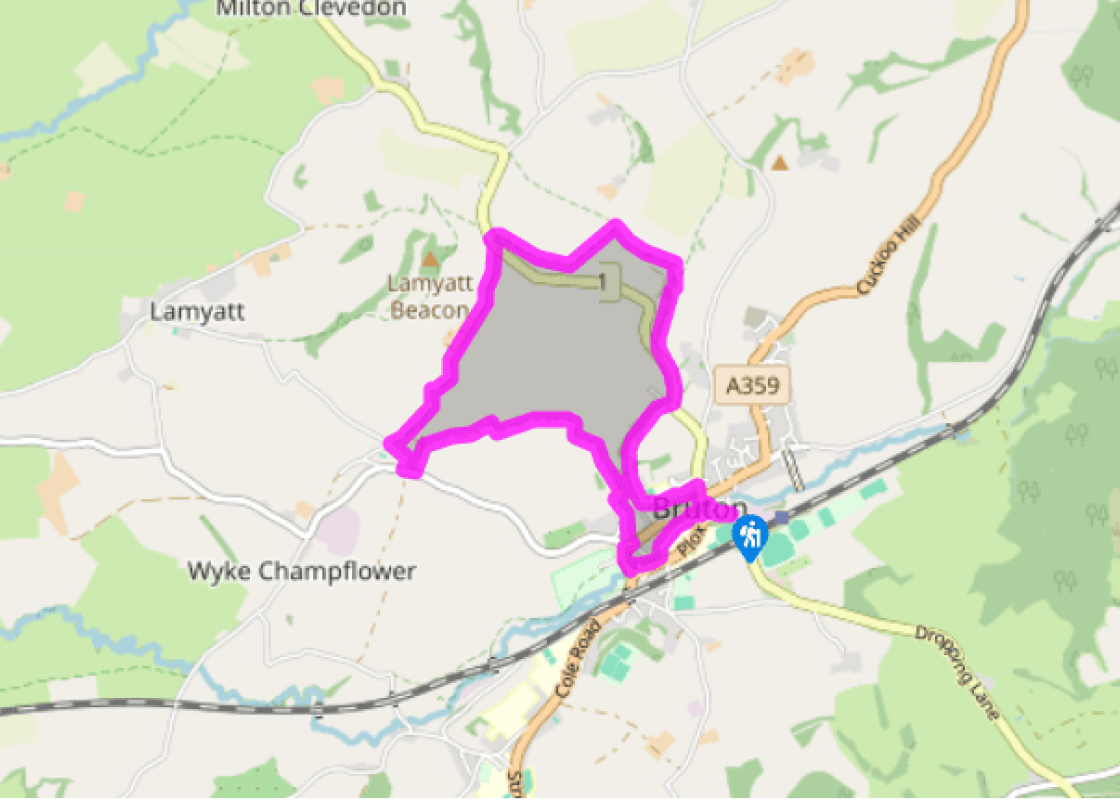
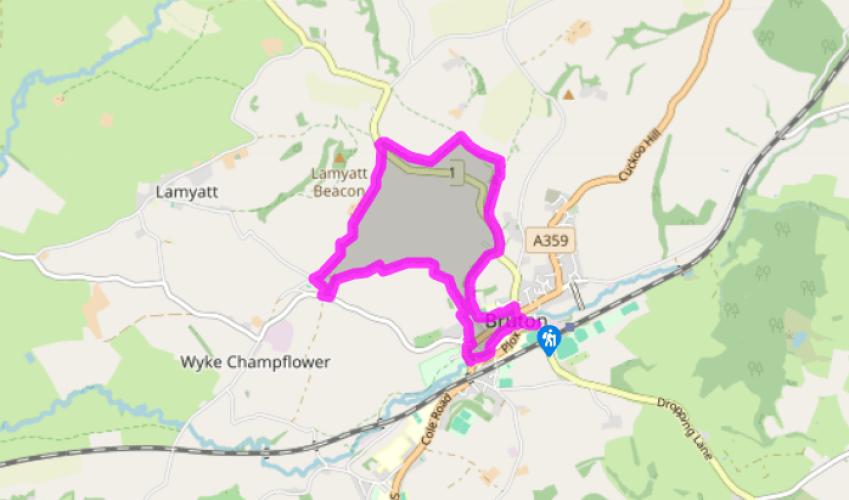
With the church on your left and the bridge on your right, head down Silver Street for 30yds (27m) to a small car park in Coombe Street. The old packhorse bridge over the River Brue leads into Lower Backway. Turn left for 350yds (320m), then take a path between railed fences to a footbridge. Turn right along the river to A359.

Turn right over Leggs Bridge and right again into the end of High Street, but at once turn off uphill on to a walled path called Mill Dam. The path becomes a narrow lane; in 150yds (140m) turn left along byway track signed to Creech Hill Lane. Just after a footbridge fork left: the hedged path is fairly steep and muddy. At the top of the combe it becomes a farm track. This bends left (the short-cut track on the right isn't a right of way) and reaches a road.

View all directions
Location
Additional information
  Terrain  - Enclosed tracks, open fields
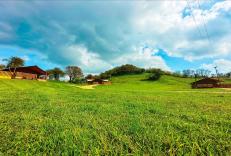
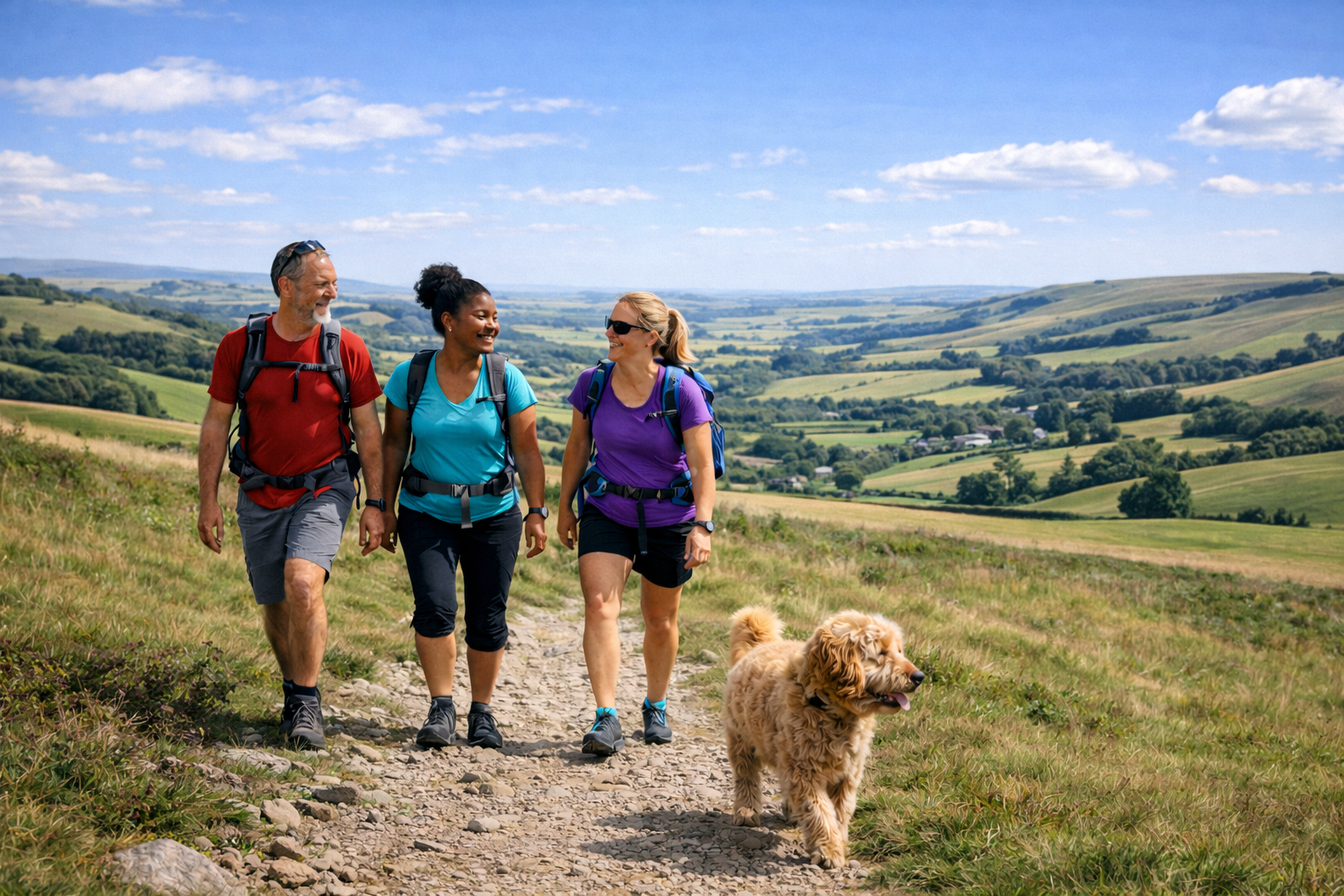
  Landscape  - Steep, grassy hills and combes
  Dog friendliness  - On lead or under close control
  Parking  - Free parking off Silver Street, 50yds (46m) west of church; larger car park in Upper Backway
  Toilets en route  - Near Church Bridge (walk start) and signposted from there
About the walk
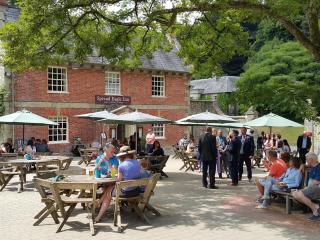
Bruton is a typical Somerset town: originally Saxon but made prosperous by monks in the Middle Ages. The Augustinians moved in around 1150 and soon upgraded from priory to abbey. In the 10th century Bruton was the county's seventh largest town – though this was achieved with a tax-paying population...
Read more
Been on this walk placeholder

Been on this walk?

Send us photos or a comment about this route. Or recommend a route of your own.
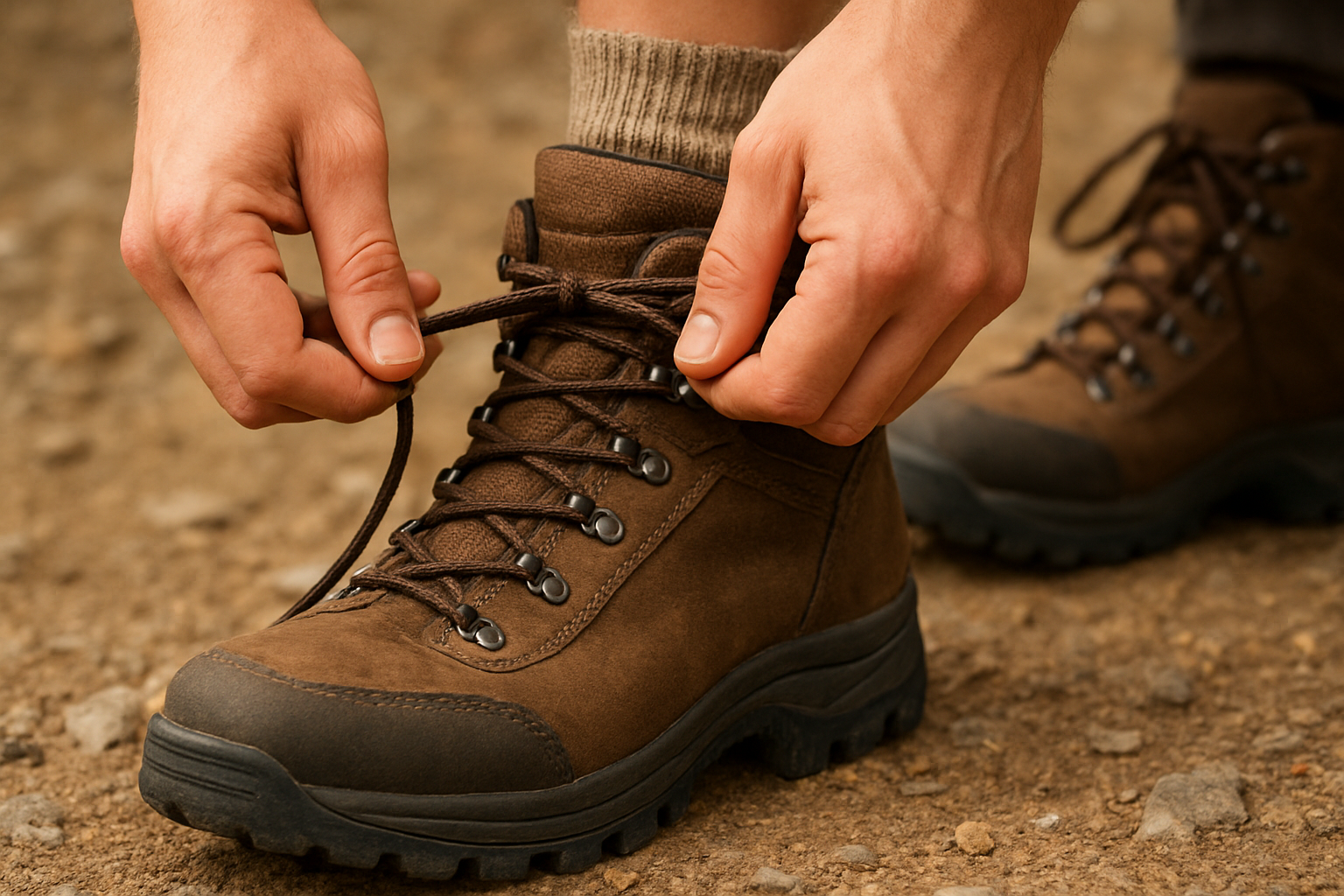
Walking in Safety placeholder

Walking in Safety

Read our tips to look after yourself and the environment when following this walk.
Get an AA guide placeholder

Get an AA guide

Explore our range of ‘50 Walks in’ guides - they’re the ideal companion for a ramble.
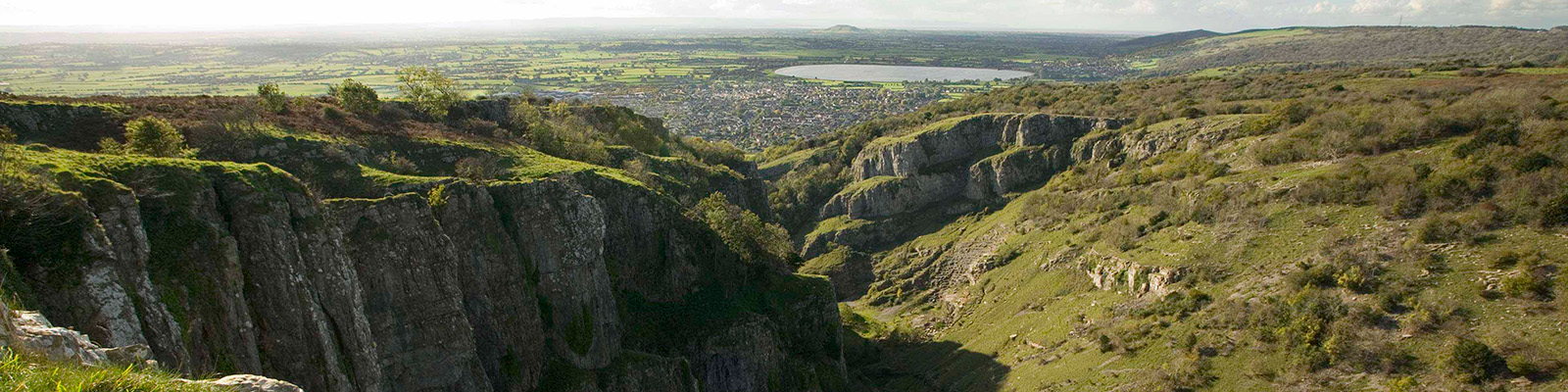
About the area
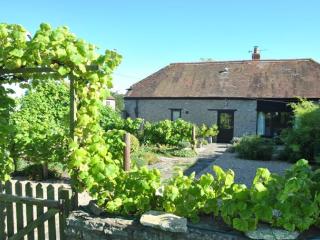
Somerset remains rural and unspoiled, and ever popular areas to visit are the limestone and red sandstone Mendip Hills rising to over 1,000 feet, and by complete contrast, to the south and southwest, the flat landscape of the Somerset Levels. Another popular spot, the Quantocks, once the haunt of poets Coleridge and Wordsworth, are noted for their gentle slopes, heather-covered moorland expanses and red deer.
Area image

Bruton Combes

Recommended by
Our view
"A walk around and above beautiful Bruton, a typical Somerset town, built in the early wealth of the wool industry."
Dog friendly
Location
Nearest postcode:
Additional information
  Terrain - Enclosed tracks, open fields
  Landscape - Steep, grassy hills and combes
  Dog friendliness - On lead or under close control
  Parking - Free parking off Silver Street, 50yds (46m) west of church; larger car park in Upper Backway
  Toilets en route - Near Church Bridge (walk start) and signposted from there
About the walk
Bruton is a typical Somerset town: originally Saxon but made prosperous by monks in the Middle Ages. The Augustinians moved in around 1150 and soon upgraded from priory to abbey. In the 10th century Bruton was the county's seventh largest town – though this was achieved with a tax-paying population...
Read more
Been on this walk placeholder

Been on this walk?

Send us photos or a comment about this route. Or recommend a route of your own.

Walking in Safety placeholder

Walking in Safety

Read our tips to look after yourself and the environment when following this walk.

Get an AA guide placeholder

Get an AA guide

Explore our range of ‘50 Walks in’ guides - they’re the ideal companion for a ramble.

About the area
Area image
Somerset
Somerset remains rural and unspoiled, and ever popular areas to visit are the limestone and red sandstone Mendip Hills rising to over 1,000 feet, and by complete contrast, to the south and southwest, the flat landscape of the Somerset Levels. Another popular spot, the Quantocks, once the haunt of poets Coleridge and Wordsworth, are noted for their gentle slopes, heather-covered moorland expanses and red deer.