Parham's stately park
Recommended by

Our view
"Head for a magnificent Elizabethan house set in magnificent parkland before climbing high up to the breezy South Downs."
Walk directions
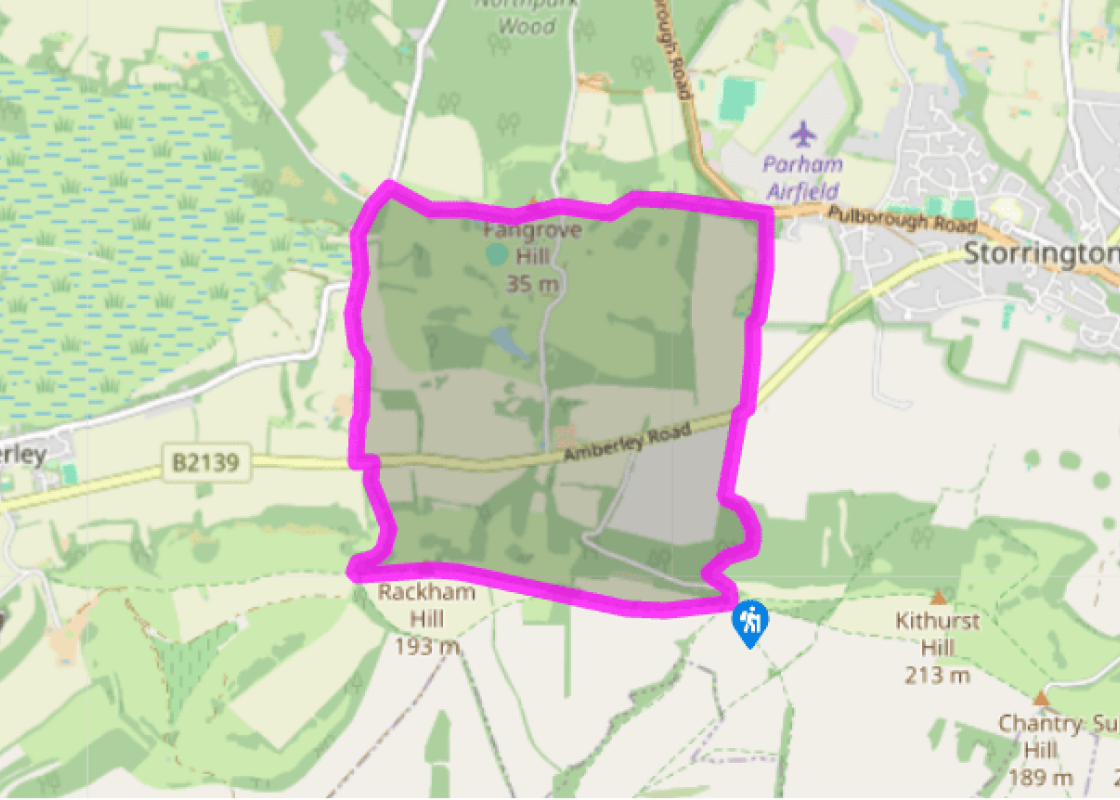
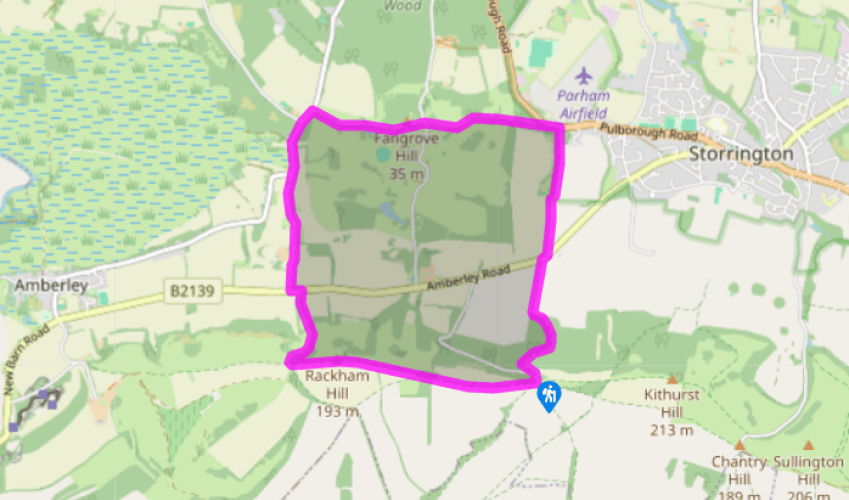
With the car park sign on the left, go forward to join a bridleway, which initially runs parallel to the road. Follow the path to a gate, cross a pasture to a second gate and follow the path as it descends quite steeply between trees and undergrowth. Ignoring a gated track on your right, keep ahead past rows of conifers. Join a track bearing left and soon turn right, passing alongside a line of trees, with a field on the right. Follow the track to reach a wooden gate leading out to the road by a house called Paygate.
Turn right and then left along Clay Lane, passing Cootham Farm and Lower Barn to reach a junction with the A283. To visit Cootham and the Crown Inn, turn right.
Walk back along the main road past Clay Lane. Make for the entrance to Parham Park, pass a stone-built lodge and go through a gate leading into the deer park. Follow the drive and, when it curves gently to the left, join a waymarked parallel path on the right. Cross a pasture and look away to the south to take in a striking view of Parham House with the scarp of the Downs rising steeply behind it. On reaching a junction of drives head straight on, soon passing alongside a stone wall on your left with a lake beyond it. Continue through the gently undulating parkland and turn left when you get to the road by West Lodges. Pass a stone house and ignore a turning to Greatham and Coldwaltham on the right. Follow the lane down through the trees.
View all directions
Additional information
Terrain
- Bridleways, parkland paths, and drives and stretches of road
Landscape
- Elegant parkland and steep escarpment
Dog friendliness
- On lead in Parham Park, in vicinity of B2139 and below Kithurst Hill car park
Parking
- Kithurst Hill car park
Toilets en route
- None on route
About the walk
The magnificent Elizabethan mansion of Parham House is one of the great treasures of Sussex, recalling the days of weekend house parties, servants below stairs and gracious living – a way of life that has all but disappeared. The wonderful setting, deer park and views of the South Downs enhance...
Read more

Been on this walk?
Send us photos or a comment about this route. Or recommend a route of your own.

Walking in Safety
Read our tips to look after yourself and the environment when following this walk.
Get an AA guide
Explore our range of ‘50 Walks in’ guides - they’re the ideal companion for a ramble.
Been on this walk?
Send us photos or a comment about this route. Or recommend a route of your own.
Walking in Safety
Read our tips to look after yourself and the environment when following this walk.
Get an AA guide
Explore our range of ‘50 Walks in’ guides - they’re the ideal companion for a ramble.
About the area
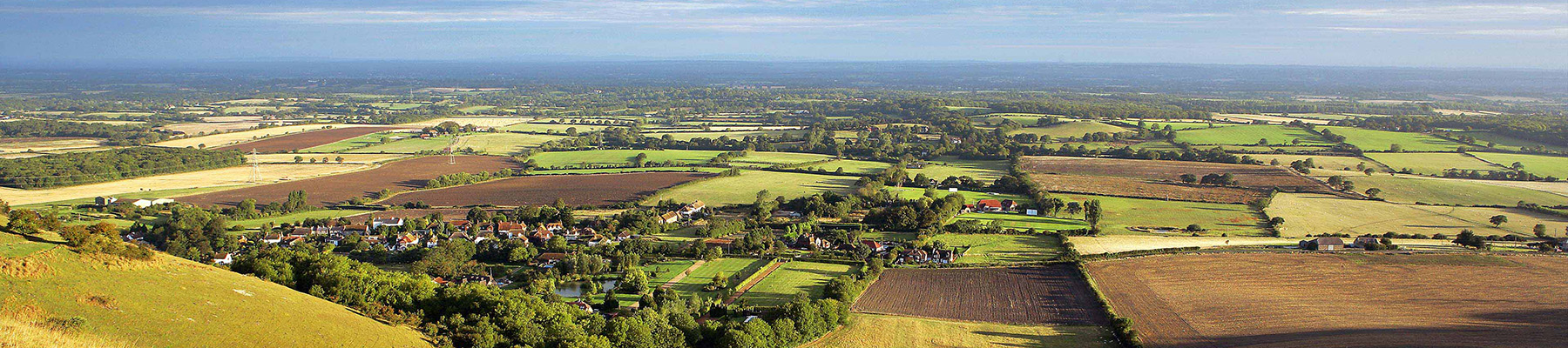
Divided from East Sussex back in 1888, West Sussex has a variety of landscapes and coastal scenery, but it is the spacious and open South Downs with which the county is most closely associated. There are plenty of walking routes in the South Downs National Park, cycling routes by the sea or visitors can explore the pretty town of Arundel with its historic castle and buildings.
Nearby places to stay
View all (8)



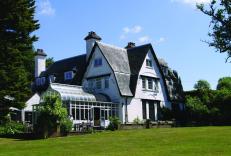




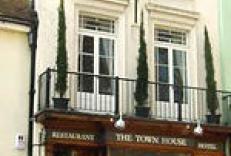
Restaurant with Rooms
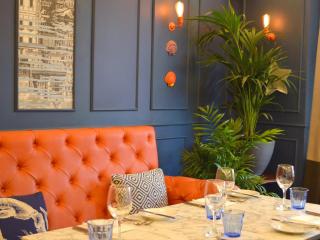
The Town House Restaurant with Rooms
- Rooms 5
- Free TV
- Wifi
Nearby places to stay
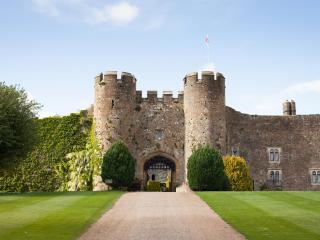
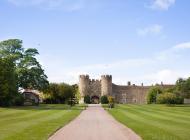
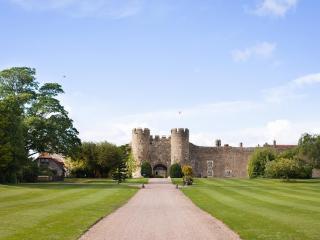
Amberley Castle
Amberley Castle is idyllically set in the Sussex countryside, and boasts 900 years of history. The battlements – complete with mighty portcullis; one of the few in Europe that still wor...
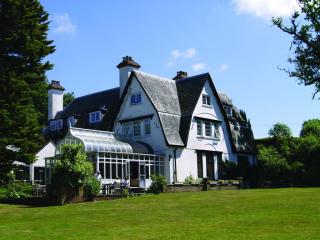
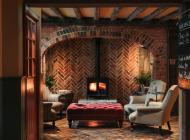
Abingworth Hall
Set in lovely gardens in a peaceful South Downs village, Abingworth Hall offers country house charm with its wood-panelled walls, beamed ceilings and wood-burning stove. Bedrooms come w...
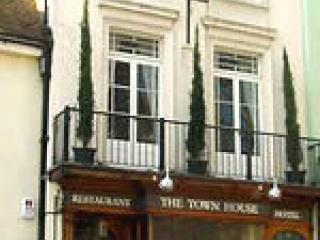
The Town House Restaurant with Rooms
This is an elegant, Grade II listed Regency building overlooking Arundel Castle, just a short walk from the shops and centre of the town. Bedrooms and public areas retain the building's...
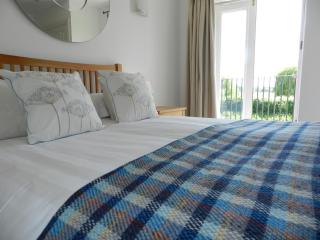
Arundel River Cottage
Arundel River Cottage is an immaculately presented river front cottage with a dedicated parking space. It's within easy walking distance, along flat ground, of Arundel centre and Arunde...
Arundel River Cottage
Arundel River Cottage is an immaculately presented river front cottage with a dedicated parking space. It's within easy walking distance, along flat ground, of Arundel centre and Arunde...
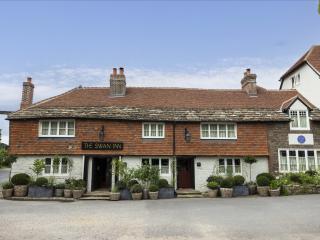
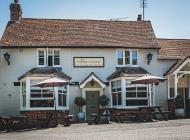
The Swan Inn
The Swan Inn in Fittleworth is a beautifully restored country inn where heritage meets modern comfort. Inside, you’ll find inviting spaces full of character, stylish bedrooms with thoug...
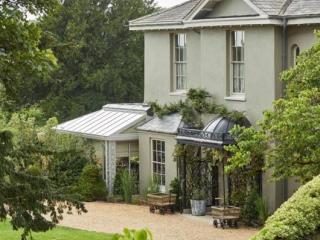
THE PIG-in the South Downs
Located in a rural area within easy reach of the town centre, THE PIG in the South Downs is a Palladian-style Georgian house that's been sympathetically renovated and extended. The cont...
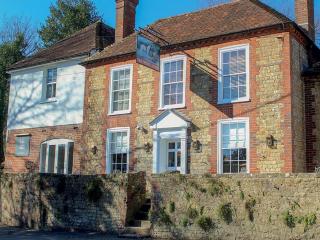
The White Horse Inn
The White Horse Inn is a beautifully restored 18th-century building is the heart of the village and South Down's National Park. The beds are handmade in Dartmoor and have deep, lavender...
Places to eat nearby View all