Eilean Donan Castle
Recommended by


Overview
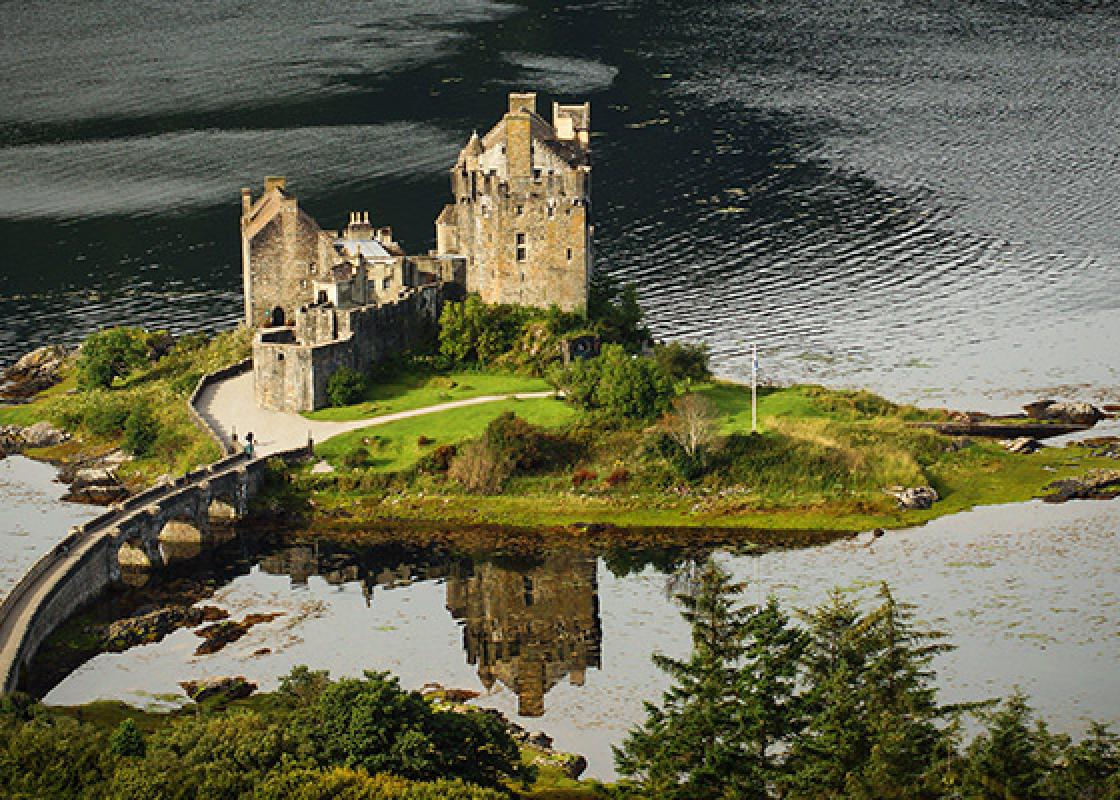
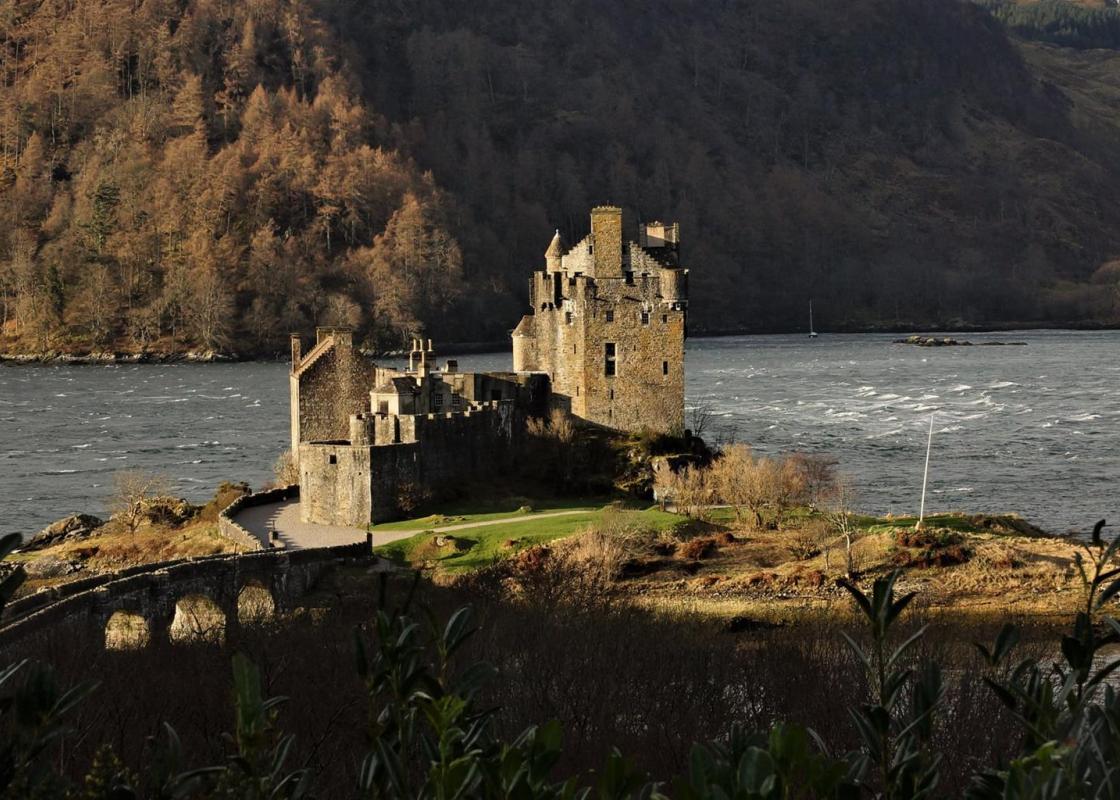
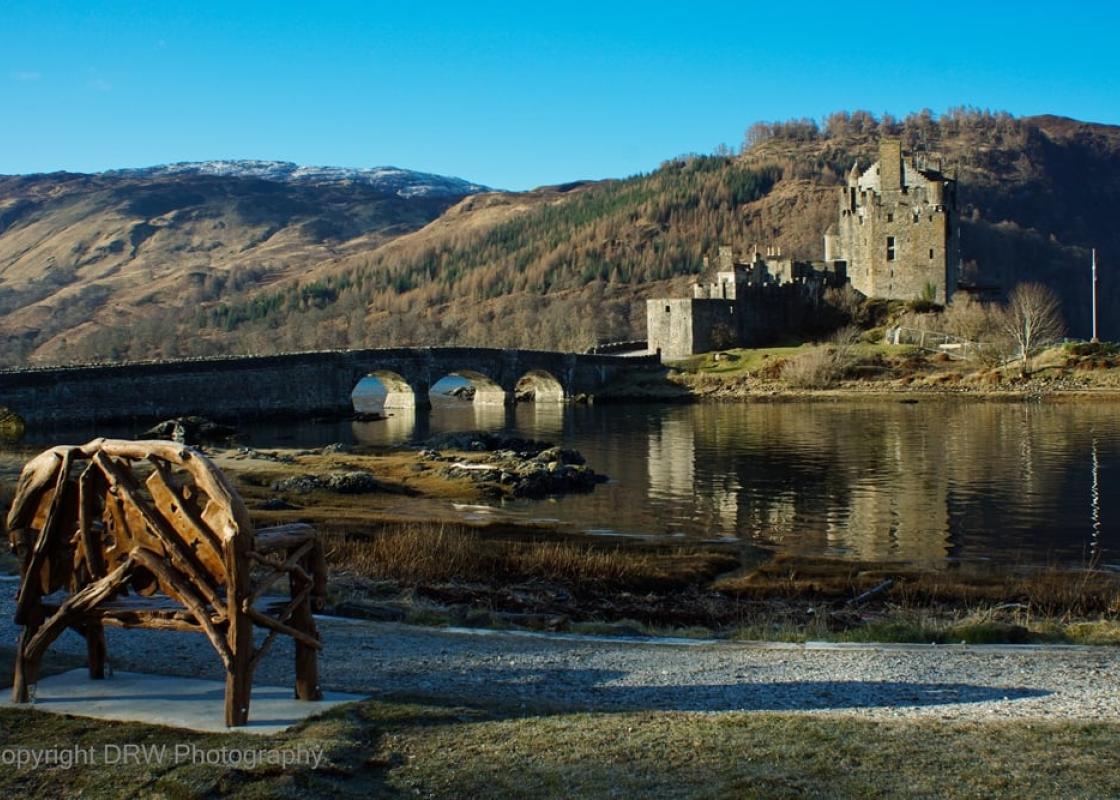
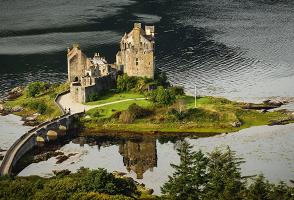
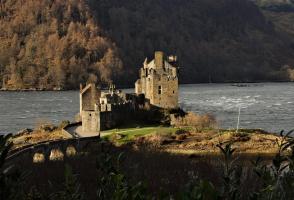
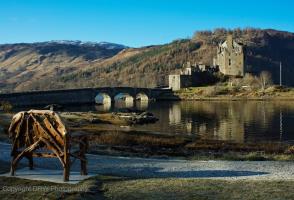
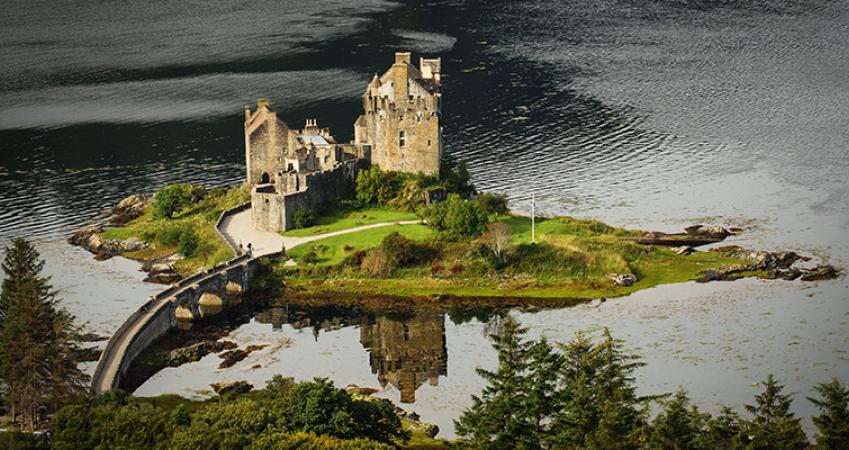
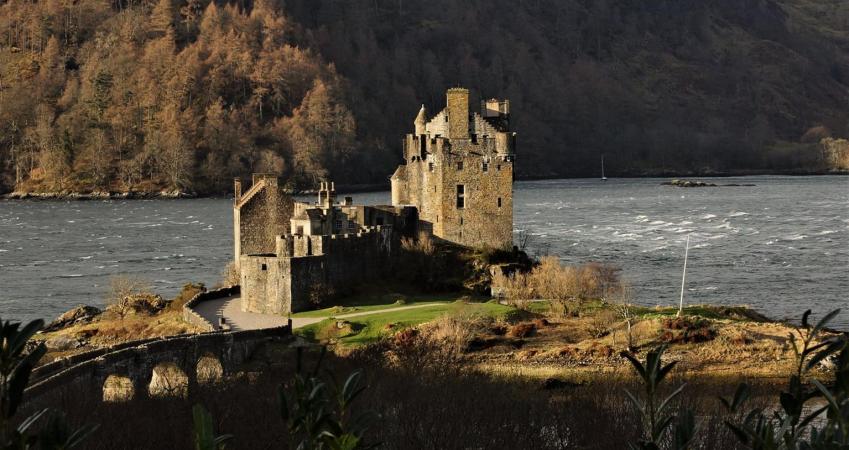
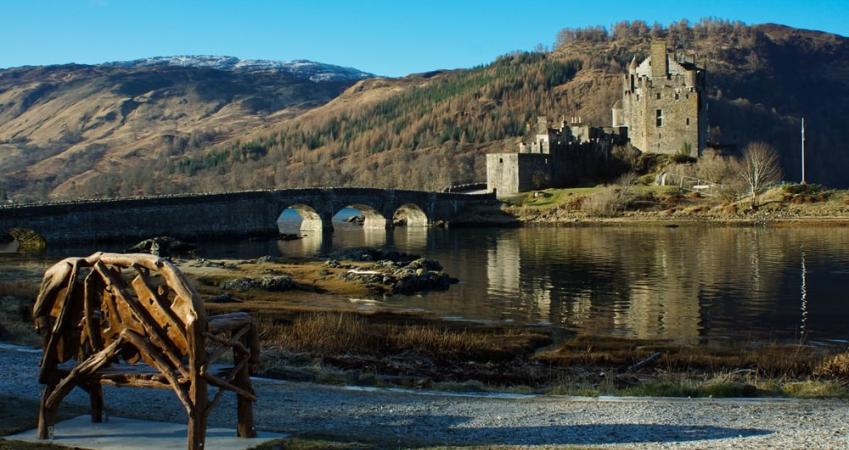
Dwarfed by the brooding hills surrounding Loch Duich, the castle of Eilean Donan stands picturesquely on its rocky island, at the point where three great sea lochs meet. A fortress was built here in 1220 by Alexander II to protect himself against raids by Vikings. During the Jacobite uprising the Macraes opted to support the Old Pretender and garrisoned a small force of Spanish soldiers in the castle. In 1719 the guns of an English man-of-war pounded the castle to pieces. It remained in ruins until 1912, when Colonel John Macrae decided to restore his ancestral home. Paying great attention to detail, the lakeside castle was lovingly rebuilt, along with an arched bridge that affords easier access to the castle than the ancient Macraes would have known. Most of the rooms in the castle are open to visitors, all furnished in the style of the home of a country laird. There are fine collections of pistols and powder horns, and, although it is mostly a 20th-century restoration, it allows the imagination to return to the time when the castle was owned by the wild Macraes. A fearsome clan, local legends tell how, on one occasion, they defended the castle successfully when outnumbered by their attackers 400 to one.
Features
- Opening Times
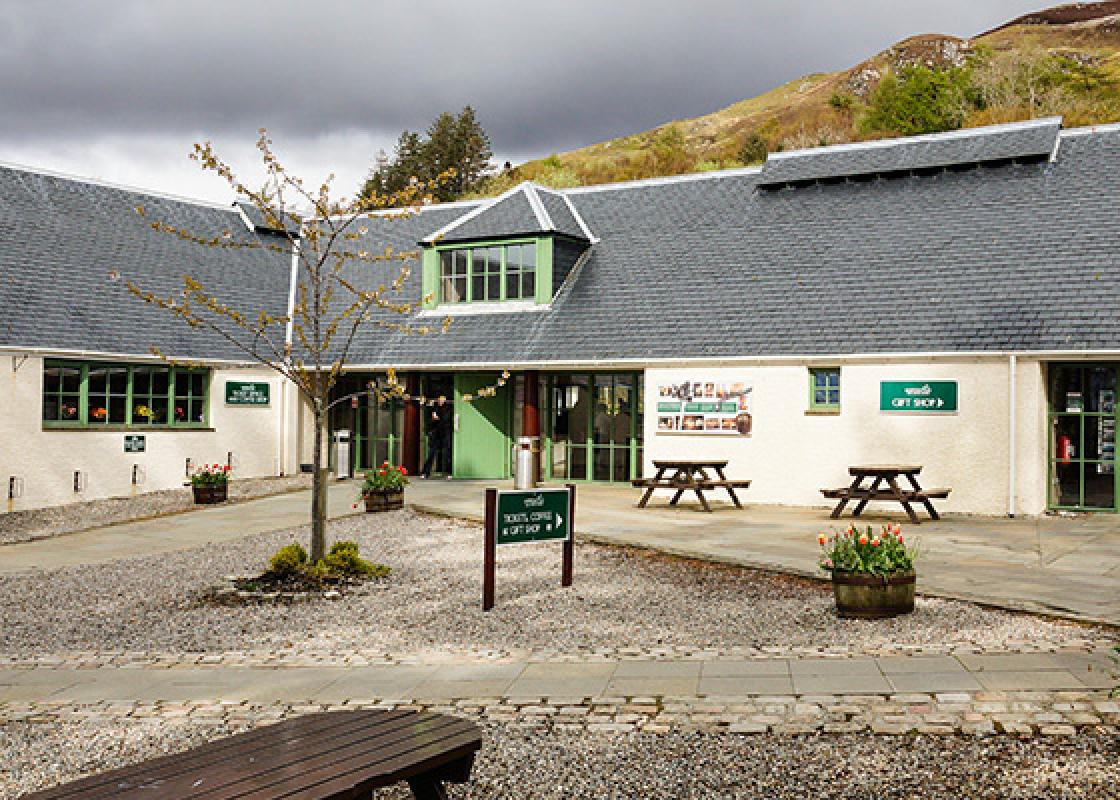
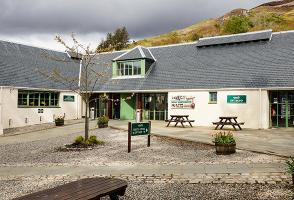
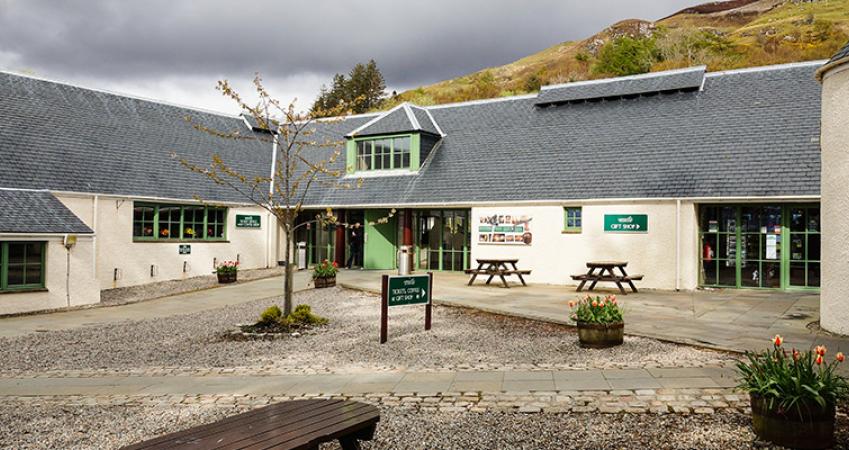
- Opening Times: Castle & exhibition open Feb-Dec, daily 10-6 (last entry 5); visitor centre & coffee shop daily 12 Mar-27 Oct 10-5; gift shop Feb-Dec 10-5
- Facilities
- Cafe
About the area
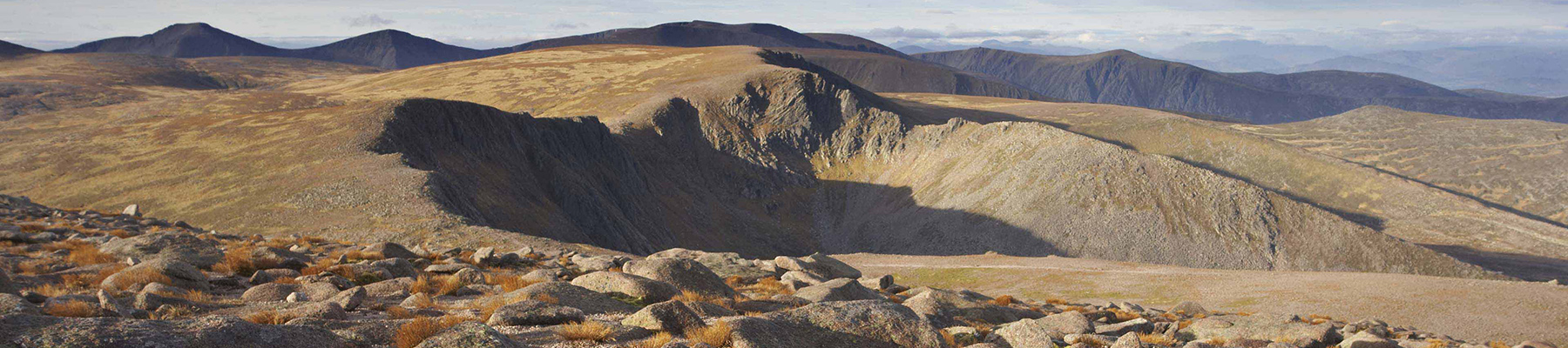
Apart from the Orkneys and the Shetlands, Highland is Scotland’s northernmost county. Probably its most famous feature is the mysterious and evocative Loch Ness, allegedly home to an ancient monster that has embedded itself in the world’s modern mythology, and the region’s tourist industry.
Places to eat nearby View all
Nearby places to stay
View all (8)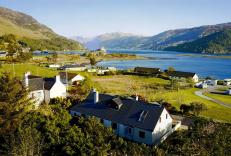


Nearby places to stay
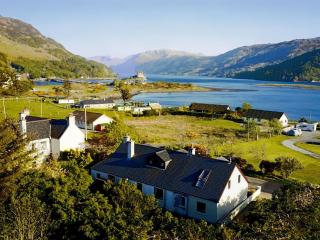
Eilean a’ Cheo Guest House
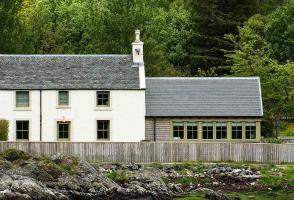
Eilean a' Cheo Guest House is situated in the village of Ardelve and enjoys stunning views across Loch Aish, to Eilean Donan Castle and the village of Dornie. Accommodation is split bet...
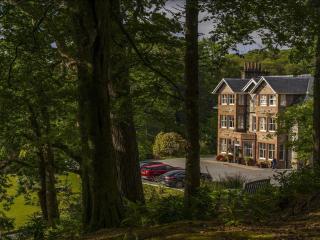
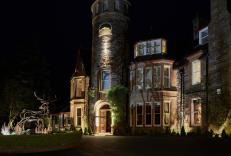
Duisdale House Hotel
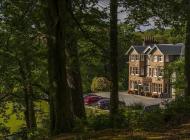
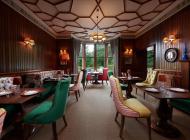
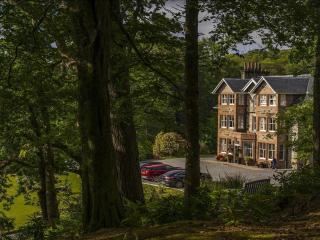
Duisdale House Hotel is an award-winning, family-run boutique hotel on Skye’s Sleat Peninsula. With stunning views over the sea to the mountains beyond, this Victorian mansion has 22 be...
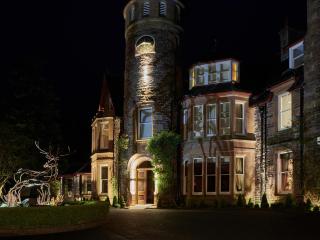
The Torridon
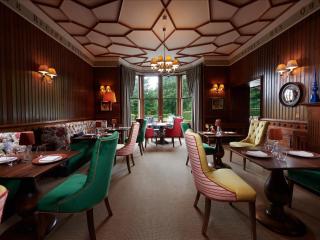
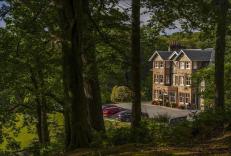
Delightfully set amid inspiring loch and mountain scenery, The Torridon is an elegant Victorian shooting lodge that's been beautifully appointed to make the most of its many original fe...
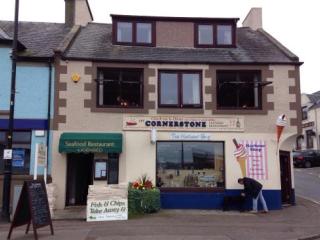
Cornerstone Restaurant and B&B
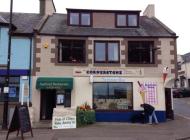
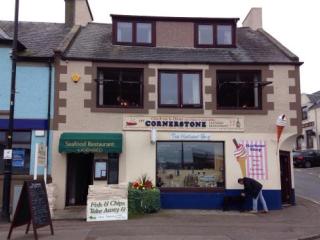
The Cornerstone is a no-frills restaurant with rooms enjoying a very good spot on the main road in Mallaig, on the west coast of the Highlands of Scotland. The harbour is a short walk a...
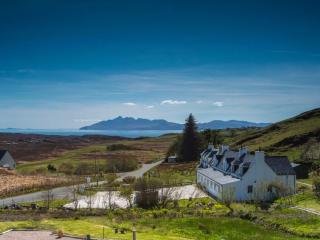
Coruisk House
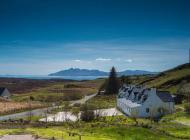
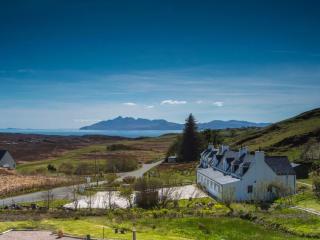
Coruisk House is an intimate restaurant with rooms, set 13 miles down a single track road in the village port of Elgol on the Isle of Skye. This is without doubt a remote part of the co...
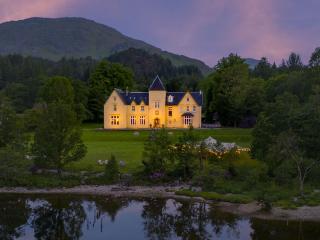
Glenfinnan House
This Scottish country house is a fine stone mansion dating from 1755 and has benefitted from a full refurbishment in 2024. Attractive public rooms include a comfortable drawing room, a ...
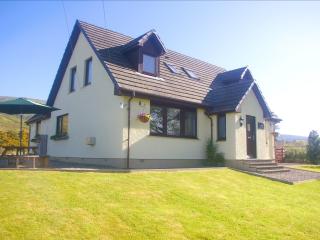
Ardarroch Cottage B&B
Ardarroch Cottage is a small, friendly, two-roomed Bed & Breakfast offering an exceptional standard of accommodation and service for adults only. Situated 10 miles from Fort William and...
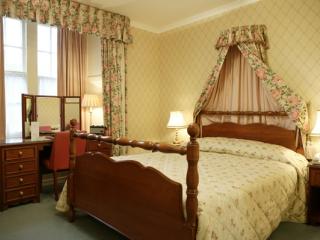
Glengarry Castle Hotel
This charming country house hotel is set in 50 acres of grounds on the shores of Loch Oich. The spacious day rooms include comfortable sitting rooms with lots to read and board games to...