Tarn Moss National Nature Reserve
Recommended by


Overview
Tarn Moss NNR is a basin mire just off the A66 south of its junction with the A5091 which supports a range of fen communities. In comparison with other Cumbrian basin mires, Tarn Moss is remarkable in being almost undisturbed and entirely devoid of tree or scrub cover, with no obvious signs of past peat cutting. The mire communities are of special interest, comprising areas of typical acid mire within a matrix of nutrient-poor fen, the latter being unusual in true basin mires. The fen is the most extensive and best-developed community at Tarn Moss, and is characterised by the dominance of sphagnum bog-mosses and various sedges. Other plant species include marsh pennywort, marsh cinquefoil, water horsetail, marsh violet, common marsh-bedstraw, lesser spearwort, bog asphodel and cranberry. Small areas of more acid vegetation occur throughout the reserve and in places merge to form larger patches of acid mire, dominated by heather and cross-leaved heath, bog-rosemary and crowberry.
About the area
North Yorkshire, with its two National Parks and two designated Areas of Outstanding Natural Beauty, is England’s largest county and one of the most rural. This is prime walking country, from the heather-clad heights of the North York Moors to the limestone country that is so typical of the Yorkshire Dales – a place of contrasts and discoveries, of history and legend.

Places to eat nearby View all
Nearby places to stay
View all (8)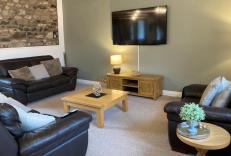
Nearby places to stay
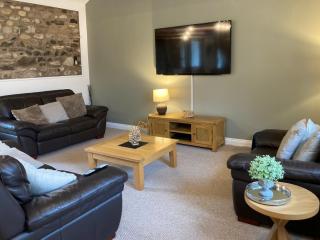
Cragside Cottage
Cragside Cottage is part of a former traditional Lakeland hill farm (Greenah Crag), nestling in the lee of a rocky outcrop from which it takes its name. Overlooked by the peaks of Helve...
Cragside Cottage
Cragside Cottage is part of a former traditional Lakeland hill farm (Greenah Crag), nestling in the lee of a rocky outcrop from which it takes its name. Overlooked by the peaks of Helve...
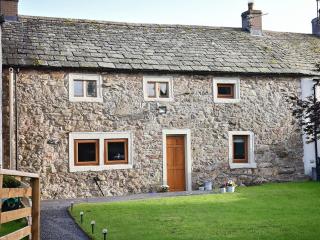
Mellfell View Cottage
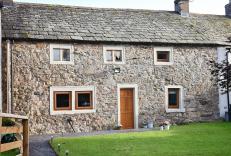
Mellfell View Cottage is a beautiful 17th century stone-built cottage with stunning views and character features. It has been renovated to a high standard and is located in an elevated ...
Mellfell View Cottage
Mellfell View Cottage is a beautiful 17th century stone-built cottage with stunning views and character features. It has been renovated to a high standard and is located in an elevated ...
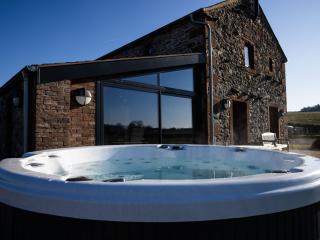
Sheepfold Barn
If you're seeking a spectacular family holiday home for some quality time, look no further than Sheepfold Barn! Here contemporary furnishings and high spec appliances are complimented b...
Sheepfold Barn
Traditional features and contemporary touches complement one another in the lovely four-bedroom Sheepfield Barn at Motherby, a great location for walking around Keswick, Ullswater and B...
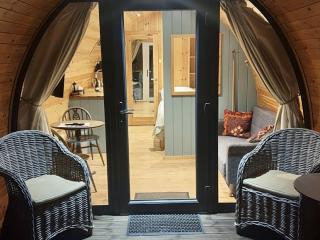
The Quiet Site Glamping
The aptly named Quiet Site is a top sustainable park where guests can savour the stunning views of Ullswater and surrounding fells. Located at the top of the park are fabulous glamping ...
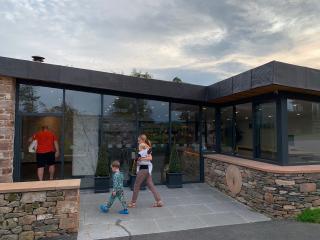
The Quiet Site
A wonderful sustainable park with breathtaking views across Ullswater, and only a short drive away from some of the best fell walking and attractions in the Lake District, including Air...