Lewes Downs (Mount Caburn) National Nature Reserve
Recommended by


Overview
Mount Caburn NNR’s ancient, traditionally managed chalk downland has extensive south-facing slopes, perfect for sun-loving flowers and their associated insects, including many rare butterflies. The reserve has the largest population of burnt-tip and pyramidal orchids in Britain. Wildflowers such as marjoram, deep-blue round-headed rampion, tiny chalk milkwort and the bright yellow horseshoe vetch also thrive on the sunny slopes. Butterflies found here include the Adonis, chalkhill blue and silver-spotted skipper, while day-flying moths such as the metallic-green scarce forester and the red and black six-spot burnet can also be spotted. The re-introduction of the wartbiter cricket in the 1990s has established a new population of this nationally rare species. Skylarks, meadow pipits, yellowhammers, corn bunting, kestrels and buzzards are among the birds that find their homes and food in the skies above Mount Caburn. If you’re lucky, you might also catch a glimpse of the speedy peregrine falcon – the fastest bird on the planet.
About the area
East Sussex is a land of stately homes, castles and the South Downs, with miles of chalk cliffs overlooking the English Channel. For history buffs, there are a great many historic landmarks within Sussex, such as the battlefield where the Battle of Hastings took place, or visitors can enjoy pretty towns such as Lewes, Rye and Uckfield and the city of Brighton.
Places to eat nearby View all


Nearby places to stay
View all (8)
Nearby places to stay
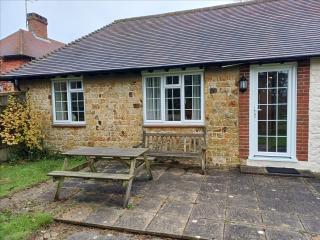
Cedar Cottage
Awaiting description...
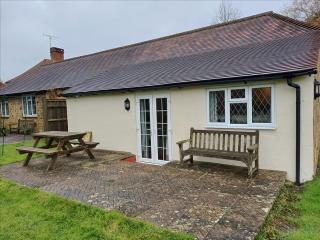
Chestnut Cottage
Awaiting description...
White Lion Farm Cottages
White Lion Farm is a 16th-century former coaching inn that has been adapted to create two one-bedroom self-catering cottages. Each has a separate bedroom and bathroom, with well-equippe...
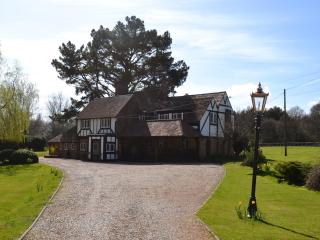
Broadacres
Broadacres is a beautiful property located very near Lewes, and has a single, spacious, self-contained suite for guest use. The richly decorated suite is well equipped – the bedroom fea...
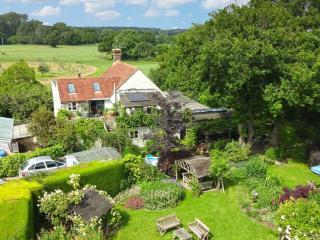
The Jolly Sportsman
The Jolly Sportsman lives in the picturesque village of East Chiltington, and offers a combination of locally sourced food, comfortable accommodation, and a stunning garden bar, all set...
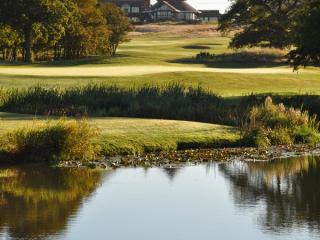
East Sussex National Golf Resort & Spa
East Sussex National Golf Resort & Spa is in a lovely country location and offers a super range of facilities with two golf courses and an impressive leisure suite. In addition, there a...
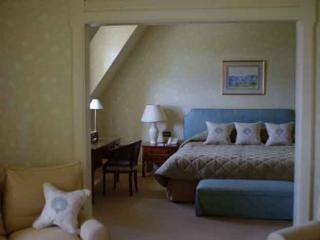
Horsted Place
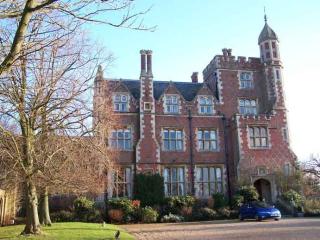
Horsted Place is one of Britain's finest examples of 19th-century Gothic revivalist architecture, much of which was designed by Augustus Pugin. Situated in extensive landscaped grounds,...
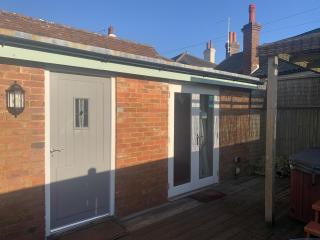
Golden Cross Holiday Park
Situated in the East Sussex countryside, Golden Cross Holiday Park offers luxury self-catering holiday lodges with each one having its own private hot tub. A great location for visiting...