Lullington Heath National Nature Reserve
Recommended by


Overview
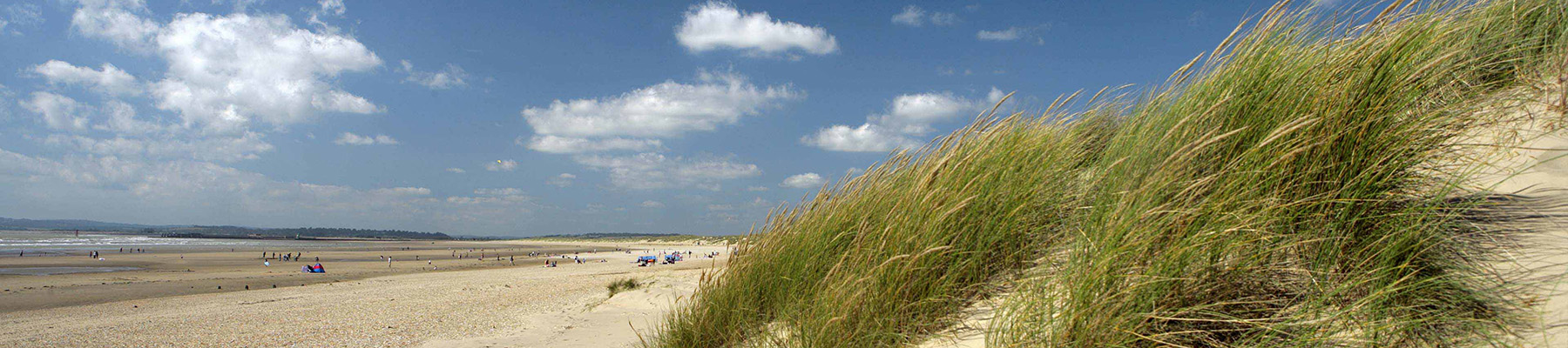
Lullington Heath NNR is one of the largest areas of lowland chalk grassland and lowland chalk heath in Britain. The fine, slightly acid soil has allowed the development of an intimately mixed chalk and heath plant community. Acid-loving heathers and tormentil grow among plants such as thyme, salad burnet and dropwort, vipers’ bugloss and early purple orchids, which have adapted to suit the chalky soil. During the summer, speckled wood, skippers, blues, small coppers, browns and marbled white and other butterflies can be seen. The chalk heathland which covers just under a third of the reserve turns a glorious pink in August with the flowers of common and bell heather. The heath is surrounded by clumps of gorse, whose bright yellow flowers smell of coconut. Over 250 types of plant have been recorded here, and more than 98 species of bird have been seen, no less than 50 of which nest on the reserve.
About the area
East Sussex is a land of stately homes, castles and the South Downs, with miles of chalk cliffs overlooking the English Channel. For history buffs, there are a great many historic landmarks within Sussex, such as the battlefield where the Battle of Hastings took place, or visitors can enjoy pretty towns such as Lewes, Rye and Uckfield and the city of Brighton.
Places to eat nearby View all





Nearby places to stay
View all (8)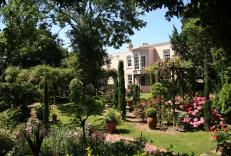

Nearby places to stay
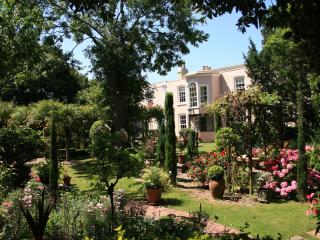
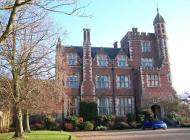
Ocklynge Manor
Over the centuries Ocklynge Manr has seen a variety of uses since serving as a commanderie for the Knights of St John in the 12th century. An air of peace and relaxation is evident in t...
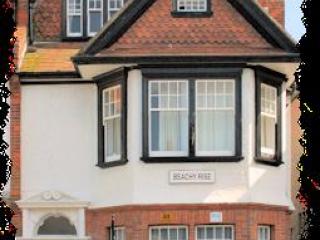
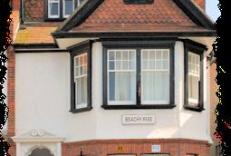
Beachy Rise Guest House
This friendly, family-run guest house has a quiet residential location near the shops, pubs and restaurants in Meads village. Bedrooms are individually styled with co-ordinated soft fur...
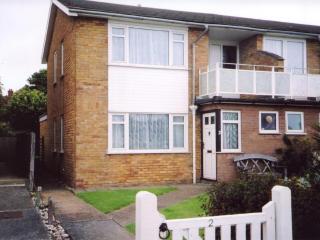
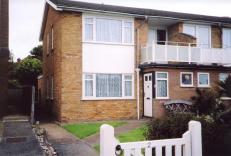
2 Kingsway Court
A delightful holiday cottage, close to Seaford town centre, the seafront and the South Downs National Park. On the ground-floor there’s a large lounge/diner, large kitchen/breakfast roo...
2 Kingsway Court
A delightful holiday cottage, close to Seaford town centre, the seafront and the South Downs National Park. On the ground-floor there’s a large lounge/diner, large kitchen/breakfast roo...
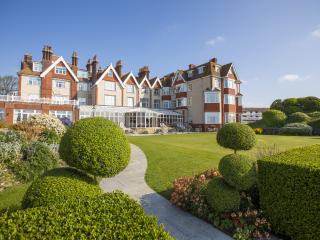
Hydro Hotel Eastbourne
The well-managed and popular Hydro Hotel Eastbourne enjoys an elevated position with views of attractive gardens and the sea beyond. The spacious bedrooms are attractive and well equipp...
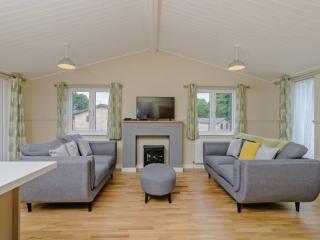
Warren Wood Country Park
Situated in the heart of the East Sussex countryside, Warren Wood offers luxury woodland or lake side self-catering lodges, all with private hot tubs. Near to the seaside town of Eastbo...
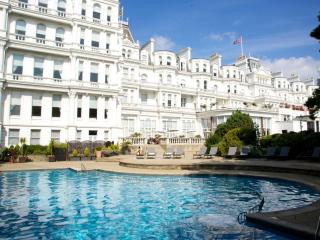
The Grand Hotel
A famous Victorian seafront hotel, The Grand Hotel commands breathtaking views of the sea and the dramatic cliffs at Beachy Head. On offer are high standards of service and hospitality,...
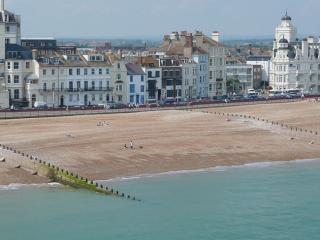
The Royal
The Royal enjoys a central seafront location close to the pier and within easy walking distance of the town centre. Spectacular uninterrupted sea views are guaranteed. This eco-friendly...