Foxley Wood National Nature Reserve
Recommended by


Overview
Foxley Wood NNR is the Norfolk Wildlife Trust’s premier woodland reserve, and the largest remaining ancient woodland in the county. Over 350 flowering plants have been recorded. In spring, primroses peek out, a prelude to the riot of colour to follow in mid/late April to early May, when bluebells carpet the woodland floor. Other woodland plants include dog’s mercury, greater butterfly orchid, wood anemone, wild garlic and herb Paris, as well as the locally rare wild service tree. All the common woodland birds can be seen, including green and great spotted woodpeckers, nuthatch, treecreeper, marsh tit and jay. Common summer visitors include blackcap, garden warbler, chiffchaff and willow warbler, and declining species such as turtle dove, grasshopper warbler and spotted flycatcher may also sometimes be seen. Tawny owls are resident, and barn owls occasionally hunt along the woodland rides. Birds of prey include sparrowhawk and kestrel, with rarer visitors including hobby and common buzzard.
About the area
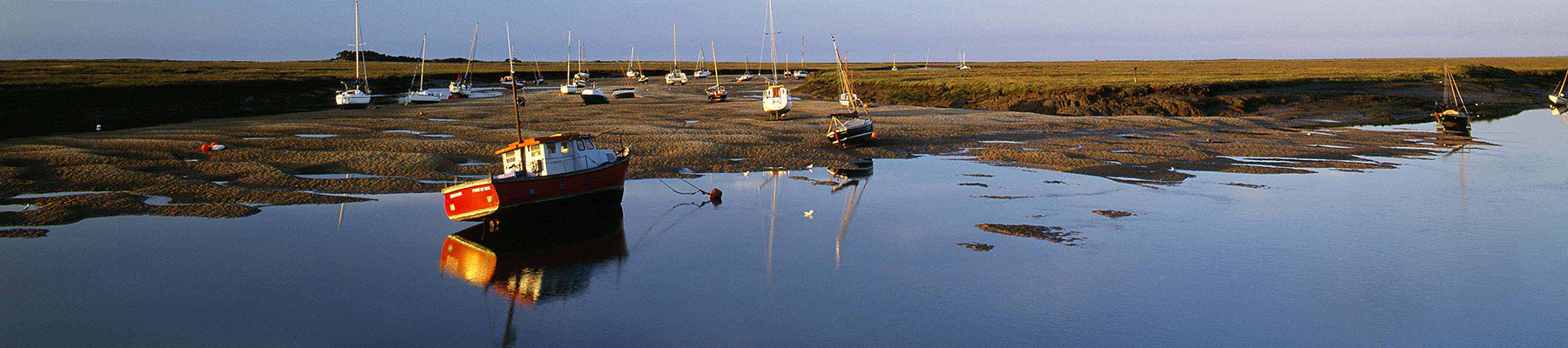
The North Norfolk Coast is designated an Area of Outstanding Natural Beauty and probably the finest of its kind in Europe. Here you’ll find a string of quaint villages and small towns – Holkham, Wells-next-the-Sea and Cley next the Sea are 21st-century favourites, while Sheringham and Cromer are classic examples of a good old-fashioned seaside resort where grand Victorian hotels look out to sea.
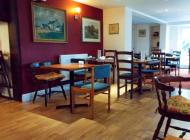
Places to eat nearby View all
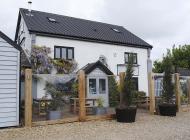
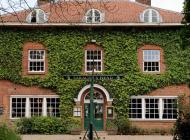
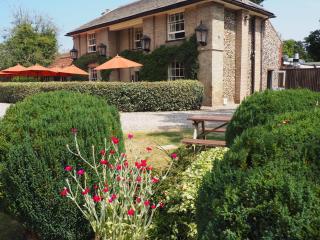
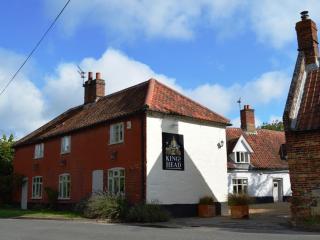
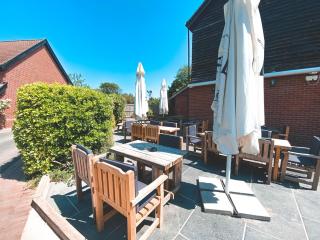
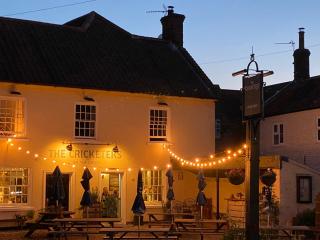
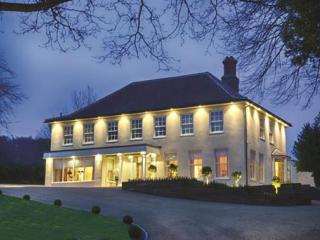
Nearby places to stay
View all (8)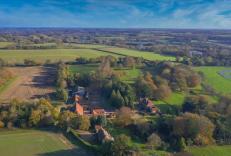
Self-Catering
Sparham Hall Farm Holiday Cottages
- Total units: 3
- Private garden
- Lawn area
- Garden furniture
Nearby places to stay
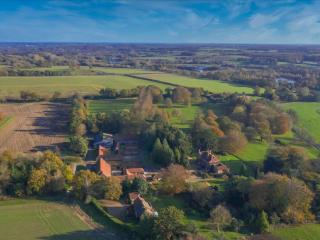
Sparham Hall Farm Holiday Cottages
Set on a working family farm in the Wensum Valley, Sparham Hall Farm Cottages have been sympathetically created from traditional farm buildings to provide stunning accommodation in a be...
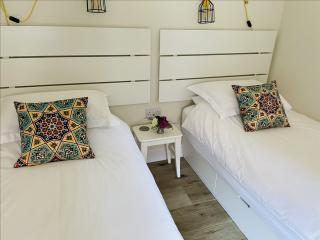
The Buttery
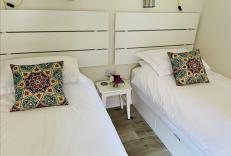
The Buttery has two bedrooms. The main bedroom has a super king bed, its own ensuite wet-room and is fully wheelchair accessible. The second bedroom has twin beds (which can be turned i...
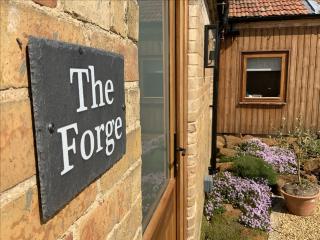
The Forge
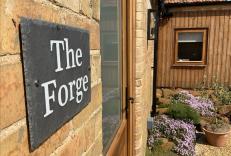
The Forge is the perfect cottage for any family, and with its three bedrooms it can sleep up to 6 people. The master bedroom has a super king bed and its own ensuite shower room. The ot...
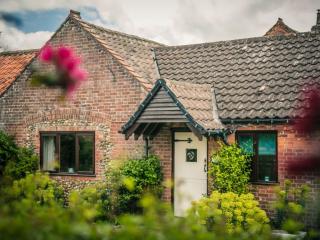
Grebe Cottage
Overlooking the patio and undulating meadows beyond, Grebe Cottage sleeps five in comfort. This cottage is full of character and boasts a unique beamed and vaulted ceiling....
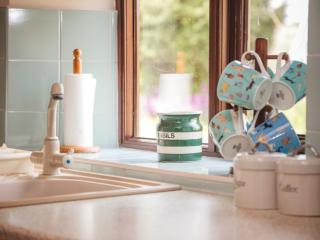
Heron Cottage
Overlooking the patio and fields beyond, Heron Cottage sleeps four in comfort. Exposed brickwork adds to the ambience of the cottage....
Waterfall Farm Cottages
Waterfall Farm Cottages consist of 3 self catering cottages, set in the heart of Norfolk, accommodating 4 people in two cottages and 5 in the other. Nestled in the beautiful Wensum Vall...
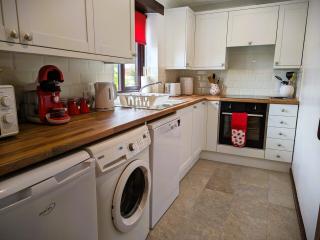
Teal Cottage
Overlooking the fields beyond, this cottage sleeps four in comfort. Exposed brickwork, beams and triple aspect windows adds to the charm of Teal Cottage....
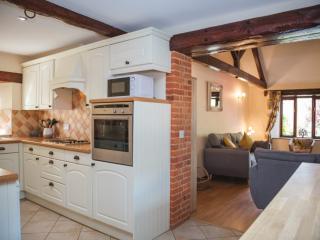
Swallow Cottage
Overlooking its own private patio on one aspect and fields to the other, Swallow Cottage comfortably sleeps five. The cottage has beamed ceilings and exposed features throughout....