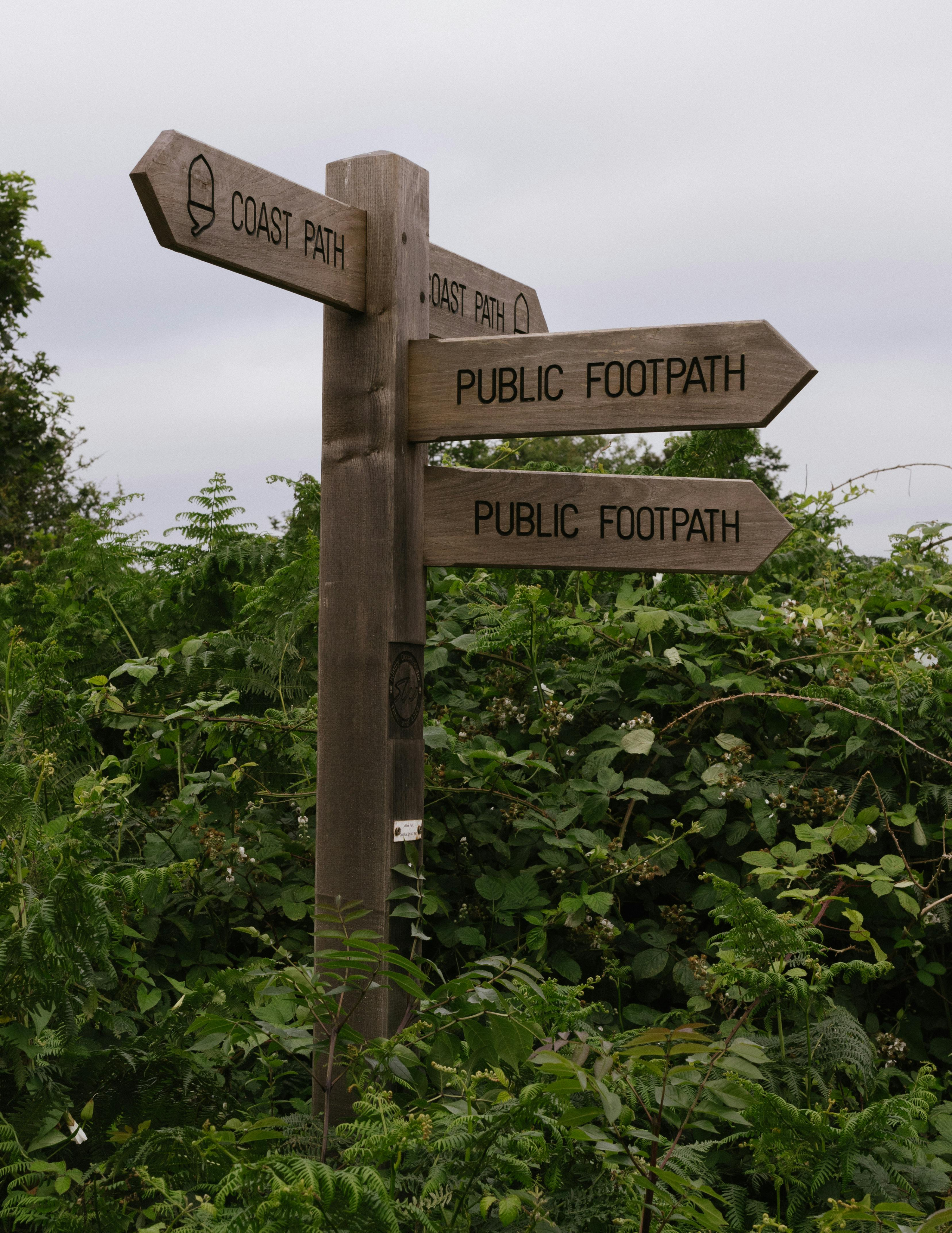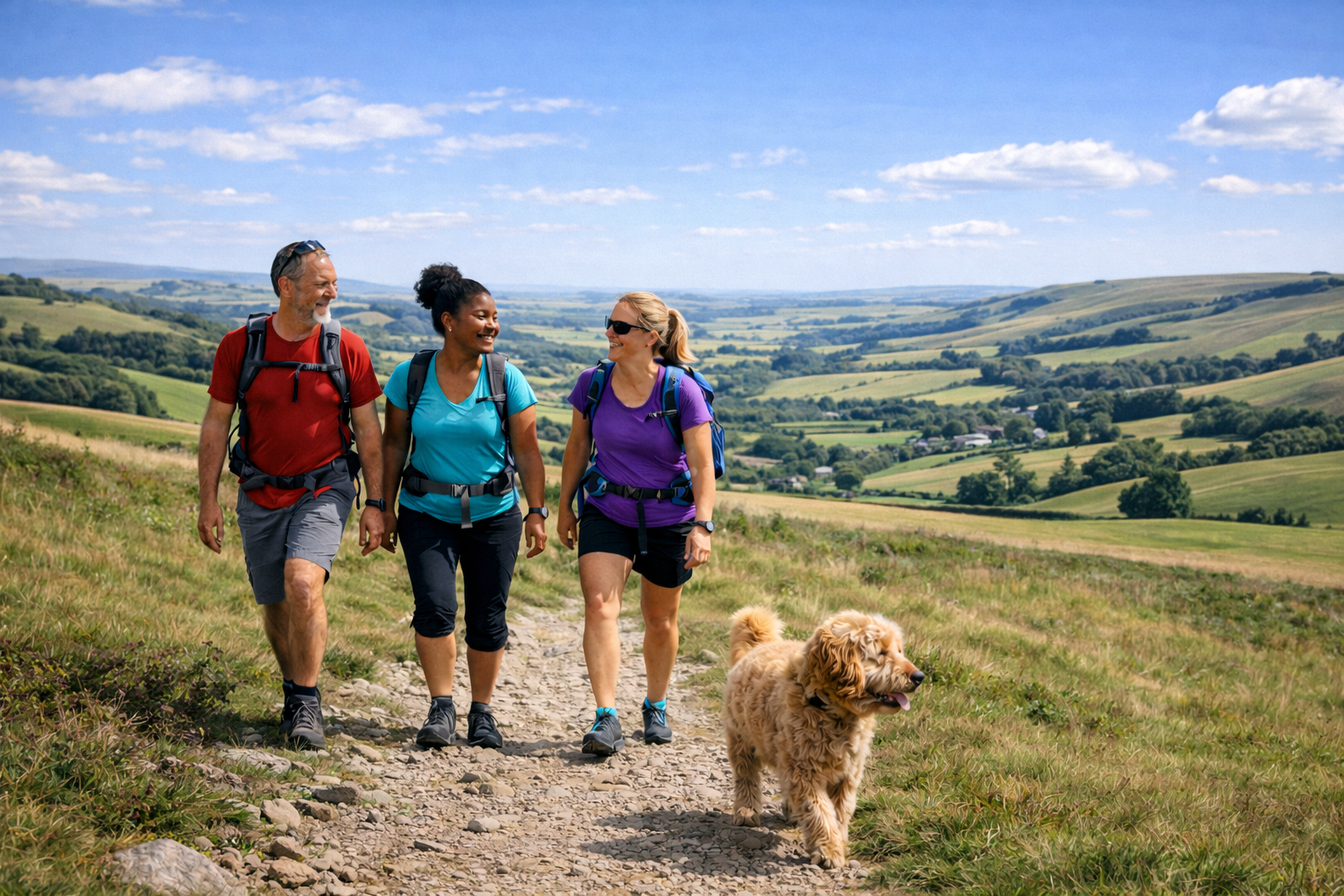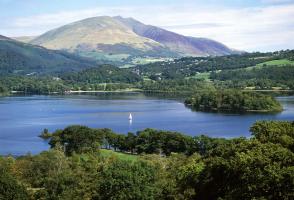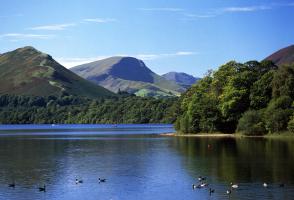
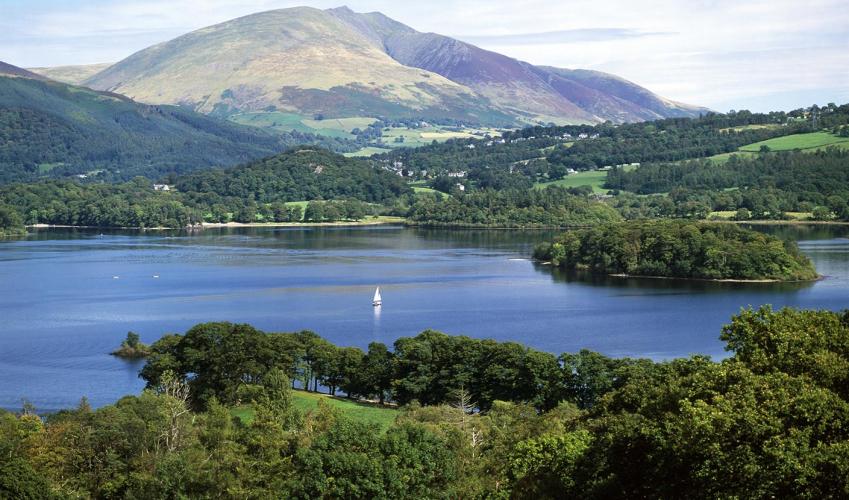
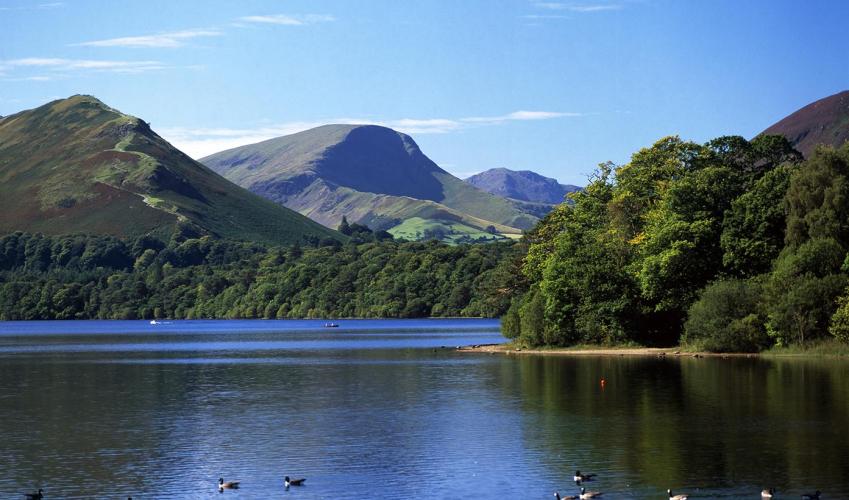
"Wonderful panoramas to the surrounding fells, a jewelled lake and sylvan splendour are the delights of this walk."
Walk directions
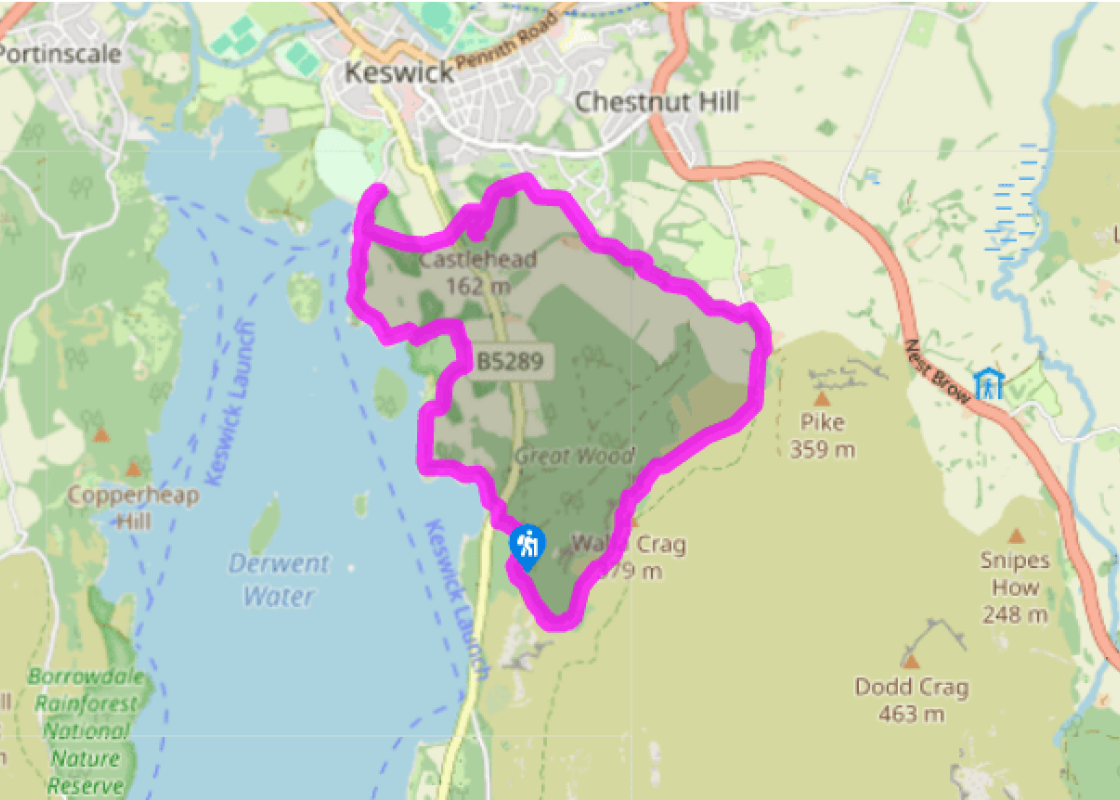
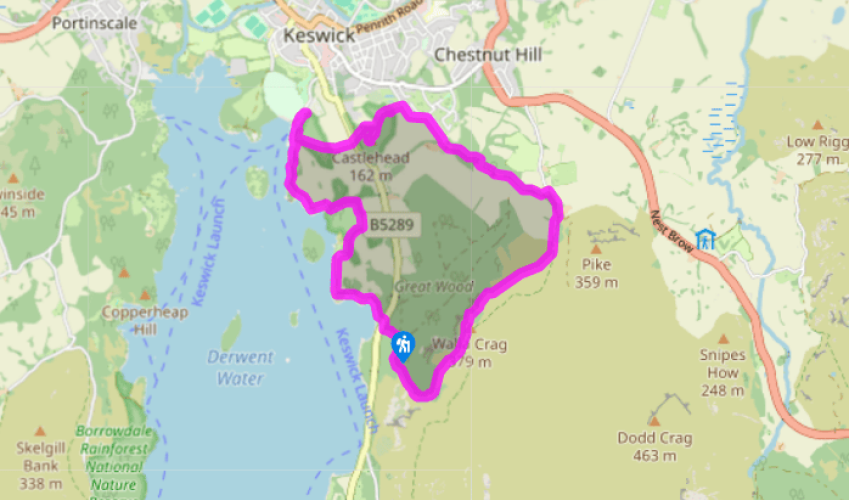
Proceed down the road to Derwent Bay. About 200yds (183m) after the entrance to the Theatre by the Lake, turn left along the track through Cockshot Wood. (This is the third path on the left.) Bear left at a fork. Exit the wood onto a fenced path between the fields and up some steps to the Borrowdale road. Cross the road and climb more steps to enter Castlehead Wood. Take the path to the left and then bear right to ascend the shoulder of Castlehead. Joining a path from the left, walk beside a fence. Then, at the fence corner, take the path on the right to climb steeply to the rocky summit of Castlehead and a fine viewpoint.
Descend by the same route to the fence corner and bear right. Ignoring a narrower path to the right, descend to a kissing gate leading on to an enclosed path. Follow this to Springs Road and turn right. When you reach Springs Farm, cross a bridge and take the track up through Springs Wood, passing to the right of Annie’s Pantry. Bear right at the junction just before a bridge and follow the edge of the wood up past the TV mast. Ignore a turning on the right and continue to a footbridge left to join Castlerigg Road. Turn right along the road, keeping right at a fork, to reach another footbridge on the right.
Cross the footbridge and follow the path, ascending by the stone wall. Go through a gate, and walk out onto the open fell, ascending the steep grassy nose. Go through a kissing gate near a large cairn to gain access to a path that follows the edge of the crag. Take care: there is a steep unfenced drop. Those wishing to stay away from the cliff edge should continue to the left of the wall and take a higher stile. Follow the path, crossing the head of a gully, to climb onto the polished rock cap of Walla Crag, where the views are superb.
Continue along the main ridge path down to a stile over the wall. Cross and turn right. When faced with a choice, keep right, following the wall down to a gate. Beyond this, the descent into the gorge of Cat Gill steepens. One section on bare rock can be slippery. Entering Great Wood via a gate, continue steeply down. Bear right at a waymarked junction near a bridge over Cat Gill (towards Derwent Water). After a barrier, bear left. Cross a car park access lane and continue on, to locate a gap in the wall on the Borrowdale Road. Cross to the gap in the wall opposite and continue to the lake shore.
Bear right, following the shore path around Calfclose Bay. At Stable Hills you join a broad track. Follow this for 250yds (229m) and then bear left at a fork. After a bridge, keep to the path closest to the lake and it eventually leads to Friar’s Crag. (Steps on the left lead out to the end of the small headland for a grand view down the lake.) Continue past the landing stages and the Theatre by the Lake to return to the car park.
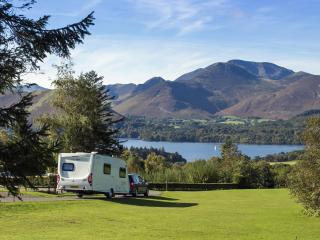
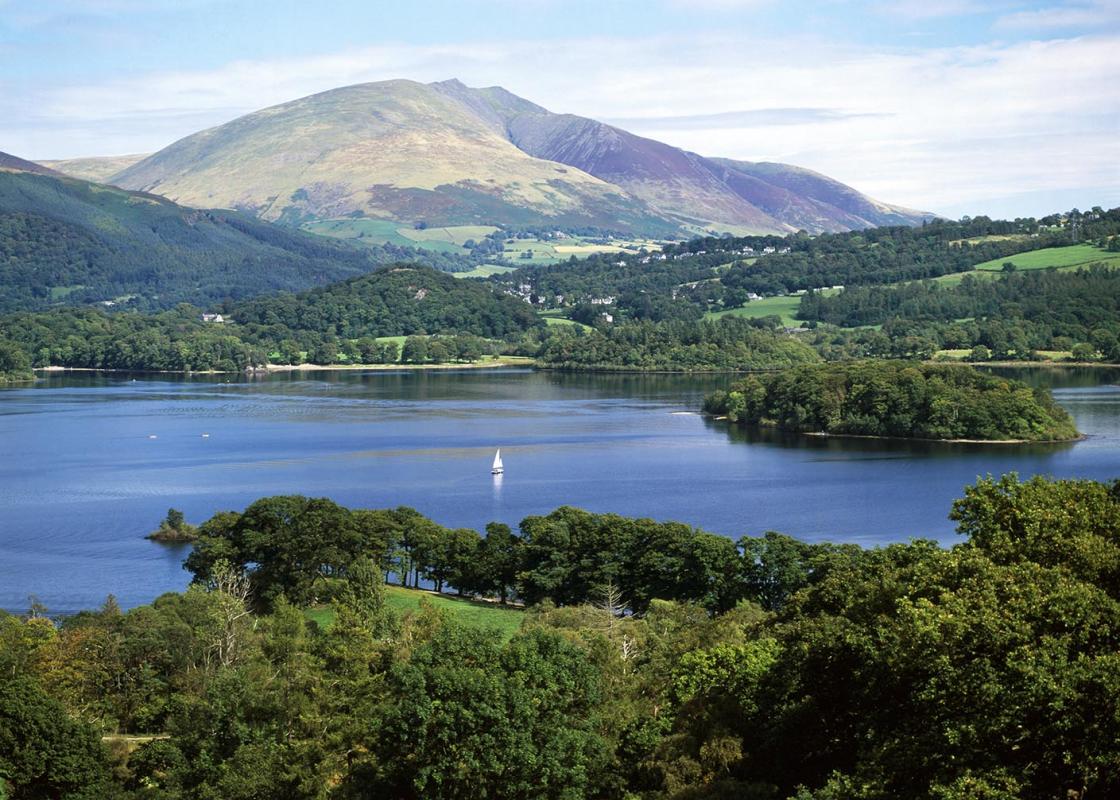
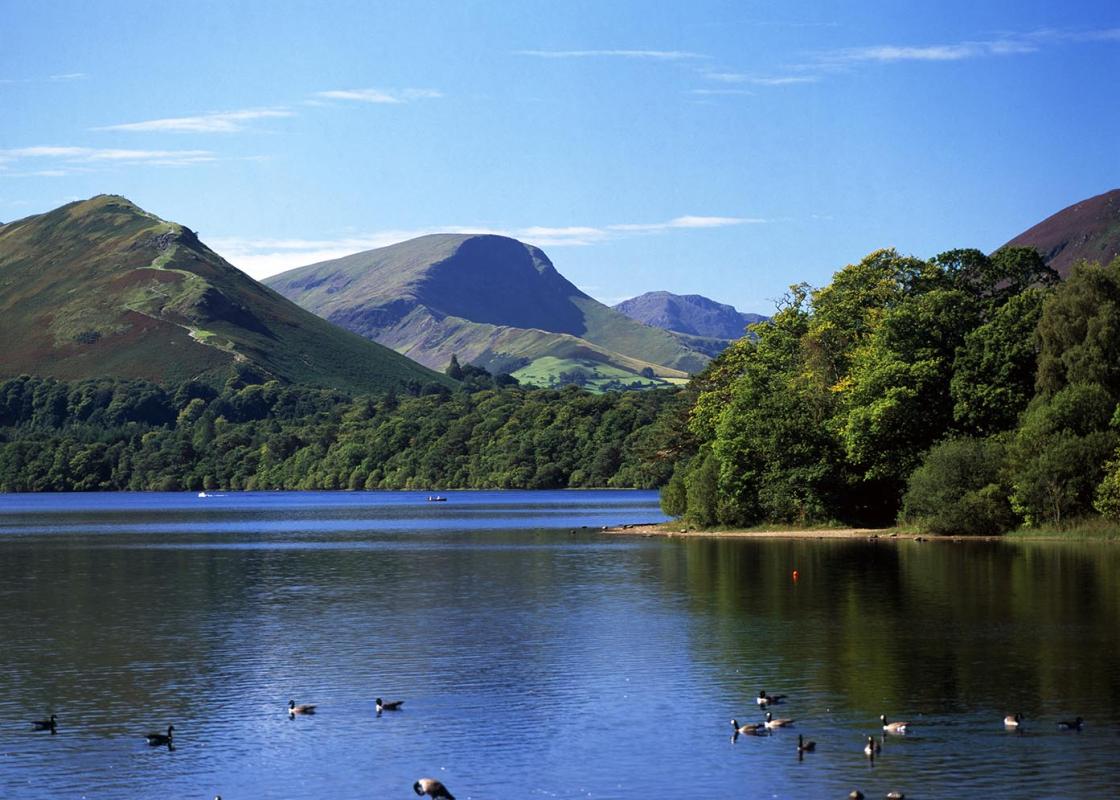
At the foot of Borrowdale, often referred to as the most beautiful valley in England, the northern head of Derwent Water opens to Keswick and the northern fells with dramatic effect. While experiencing the considerable charm of the woods and lakeside, the highlight of this walk is the staggering... view from the heights of Walla Crag. West across Derwent Water, beyond Cat Bells, Maiden Moor and the secretive Newland Valley, stand the striking northwestern fells of Causey Pike, Sail, Crag Hill and Grisedale Pike. To the southwest rise Glaramara and Great Gable, to the north Skiddaw and Blencathra. Undeniably this is one of the most evocative viewpoints within the whole of the Lake District National Park. This walk touches the lake shore before traversing the oak woods of Cockshot and Castlehead, to rise to the craggy top of Castlehead. A fine viewpoint in its own right, it is guarded on three sides by steep ground. Springs Wood follows, before ascent can be made to the steep open shoulder leading to Walla Crag. The metal strips seen in the track once provided grip for the caterpillar tracks of tanks on training manoeuvres here during World War II. Descent through Great Wood follows and a delectable stroll home along the shore of this beautiful lake. Derwent Water The lake is 3 miles (4.8km) long and 72ft (22m) deep and is fed by the River Derwent. Seasonal salmon, brown trout, Arctic char, perch and the predatory pike swim beneath the surface. There are four islands on the lake, all owned by the National Trust. The largest and most northerly is Derwent Isle. Once owned by Fountains Abbey, it was bought by German miners from the Company of Mines Royal in 1569. The island and part of its grand 18th-century house are open to visitors on a handful of days during the year. St Herbert’s Island was reputedly home to the Christian missionary of that name in the 10th century, and monks remained in residence after his departure. By the path, just above Derwent Bay, is an inscribed slate plaque in honour of Canon H D Rawnsley, who did much to keep the lake as it remains today. He was vicar of Crosthwaite, the parish church of Keswick, and one of Lakeland’s greatest conservationists. In 1895 he became a co-founder of the National Trust. He was a campaigner against rude postcards and also encouraged Beatrix Potter to publish her first book, The Tale of Peter Rabbit, in 1900.
Cumbria's rugged yet beautiful landscape is best known for the Lake District National Park that sits within its boundaries. It’s famous for Lake Windermere, England’s largest lake, and Derwent Water, ‘Queen of the English Lakes', but other lesser-known areas in the south, such as the Lune Valley and the coastal towns, are secret gems of wide cobbled streets and rolling hills.
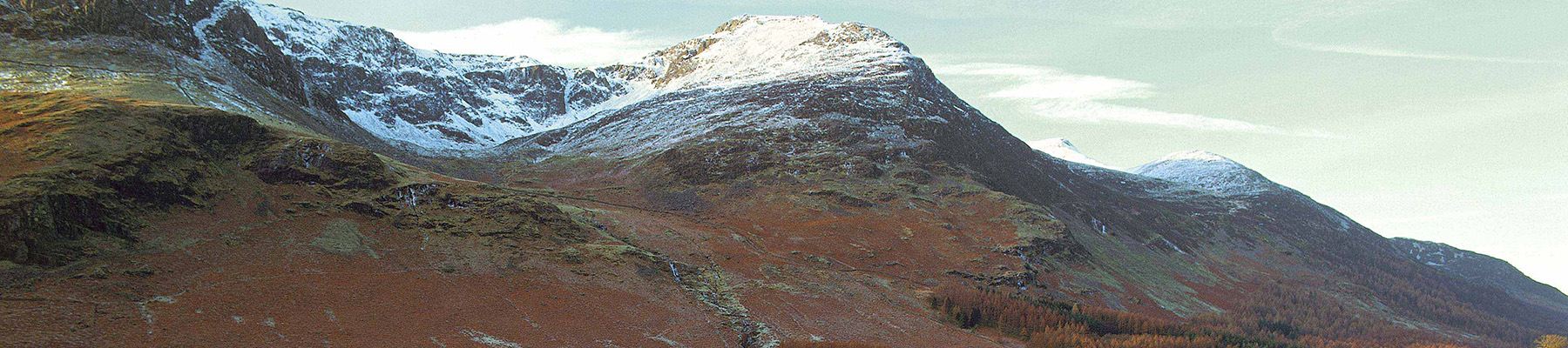
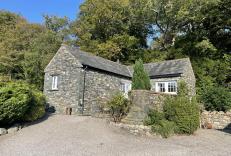
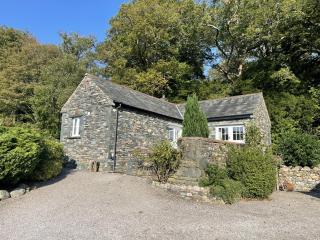
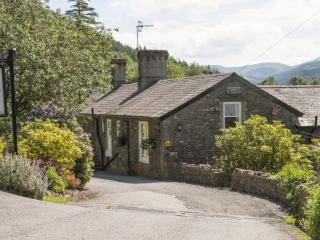
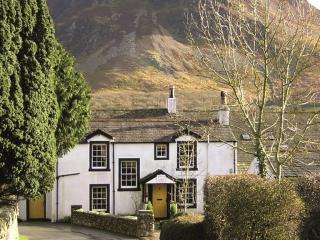
"This enchanting stone cottage has been beautifully decorated throughout and occupies a breathtaking elevated position with sunny south-west aspect just in front of Walla Crag and overlooking the beautiful Borrowdale Valley...."
"Wonderful panoramas to the surrounding fells, a jewelled lake and sylvan splendour are the delights of this walk."
Walk details
3hrs
Difficulty:
Hard
Gradient:
Challenging
Distance:
5.25 miles (8.4kms)
Ascent:
1083ft (330m)
Walk directions
Proceed down the road to Derwent Bay. About 200yds (183m) after the entrance to the Theatre by the Lake, turn left along the track through Cockshot Wood. (This is the third path on the left.) Bear left at a fork. Exit the wood onto a fenced path between the fields and up some steps to the Borrowdale road. Cross the road and climb more steps to enter Castlehead Wood. Take the path to the left and then bear right to ascend the shoulder of Castlehead. Joining a path from the left, walk beside a fence. Then, at the fence corner, take the path on the right to climb steeply to the rocky summit of Castlehead and a fine viewpoint.
1 of 5
Descend by the same route to the fence corner and bear right. Ignoring a narrower path to the right, descend to a kissing gate leading on to an enclosed path. Follow this to Springs Road and turn right. When you reach Springs Farm, cross a bridge and take the track up through Springs Wood, passing to the right of Annie’s Pantry. Bear right at the junction just before a bridge and follow the edge of the wood up past the TV mast. Ignore a turning on the right and continue to a footbridge left to join Castlerigg Road. Turn right along the road, keeping right at a fork, to reach another footbridge on the right.
2 of 5
Cross the footbridge and follow the path, ascending by the stone wall. Go through a gate, and walk out onto the open fell, ascending the steep grassy nose. Go through a kissing gate near a large cairn to gain access to a path that follows the edge of the crag. Take care: there is a steep unfenced drop. Those wishing to stay away from the cliff edge should continue to the left of the wall and take a higher stile. Follow the path, crossing the head of a gully, to climb onto the polished rock cap of Walla Crag, where the views are superb.
3 of 5
Continue along the main ridge path down to a stile over the wall. Cross and turn right. When faced with a choice, keep right, following the wall down to a gate. Beyond this, the descent into the gorge of Cat Gill steepens. One section on bare rock can be slippery. Entering Great Wood via a gate, continue steeply down. Bear right at a waymarked junction near a bridge over Cat Gill (towards Derwent Water). After a barrier, bear left. Cross a car park access lane and continue on, to locate a gap in the wall on the Borrowdale Road. Cross to the gap in the wall opposite and continue to the lake shore.
4 of 5
Bear right, following the shore path around Calfclose Bay. At Stable Hills you join a broad track. Follow this for 250yds (229m) and then bear left at a fork. After a bridge, keep to the path closest to the lake and it eventually leads to Friar’s Crag. (Steps on the left lead out to the end of the small headland for a grand view down the lake.) Continue past the landing stages and the Theatre by the Lake to return to the car park.
At the foot of Borrowdale, often referred to as the most beautiful valley in England, the northern head of Derwent Water opens to Keswick and the northern fells with dramatic effect. While experiencing the considerable charm of the woods and lakeside, the highlight of this walk is the staggering... view from the heights of Walla Crag. West across Derwent Water, beyond Cat Bells, Maiden Moor and the secretive Newland Valley, stand the striking northwestern fells of Causey Pike, Sail, Crag Hill and Grisedale Pike. To the southwest rise Glaramara and Great Gable, to the north Skiddaw and Blencathra. Undeniably this is one of the most evocative viewpoints within the whole of the Lake District National Park. This walk touches the lake shore before traversing the oak woods of Cockshot and Castlehead, to rise to the craggy top of Castlehead. A fine viewpoint in its own right, it is guarded on three sides by steep ground. Springs Wood follows, before ascent can be made to the steep open shoulder leading to Walla Crag. The metal strips seen in the track once provided grip for the caterpillar tracks of tanks on training manoeuvres here during World War II. Descent through Great Wood follows and a delectable stroll home along the shore of this beautiful lake. Derwent Water The lake is 3 miles (4.8km) long and 72ft (22m) deep and is fed by the River Derwent. Seasonal salmon, brown trout, Arctic char, perch and the predatory pike swim beneath the surface. There are four islands on the lake, all owned by the National Trust. The largest and most northerly is Derwent Isle. Once owned by Fountains Abbey, it was bought by German miners from the Company of Mines Royal in 1569. The island and part of its grand 18th-century house are open to visitors on a handful of days during the year. St Herbert’s Island was reputedly home to the Christian missionary of that name in the 10th century, and monks remained in residence after his departure. By the path, just above Derwent Bay, is an inscribed slate plaque in honour of Canon H D Rawnsley, who did much to keep the lake as it remains today. He was vicar of Crosthwaite, the parish church of Keswick, and one of Lakeland’s greatest conservationists. In 1895 he became a co-founder of the National Trust. He was a campaigner against rude postcards and also encouraged Beatrix Potter to publish her first book, The Tale of Peter Rabbit, in 1900.
Cumbria's rugged yet beautiful landscape is best known for the Lake District National Park that sits within its boundaries. It’s famous for Lake Windermere, England’s largest lake, and Derwent Water, ‘Queen of the English Lakes', but other lesser-known areas in the south, such as the Lune Valley and the coastal towns, are secret gems of wide cobbled streets and rolling hills.
"This enchanting stone cottage has been beautifully decorated throughout and occupies a breathtaking elevated position with sunny south-west aspect just in front of Walla Crag and overlooking the beautiful Borrowdale Valley...."
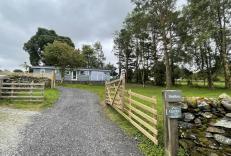
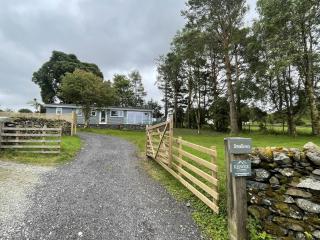
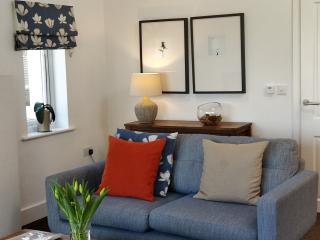
"Surrounded by stunning scenery overlooking Derwentwater and its western fells, this peaceful retreat for up to 6 guests makes a fantastic base for exploring the magnificent North Lakes and beyond. Swallows, a modern new-build lodge, is immediately inviting with a perfect blend of comfort and contemporary style. Whisk yourself and your loved ones away on a Lake District escape that promises to be unforgettable...."