Wilmington's Long Man
"This magnificent downland walk visits a legendary chalk figure which has baffled archaeologists and historians for hundreds of years."
Walk directions
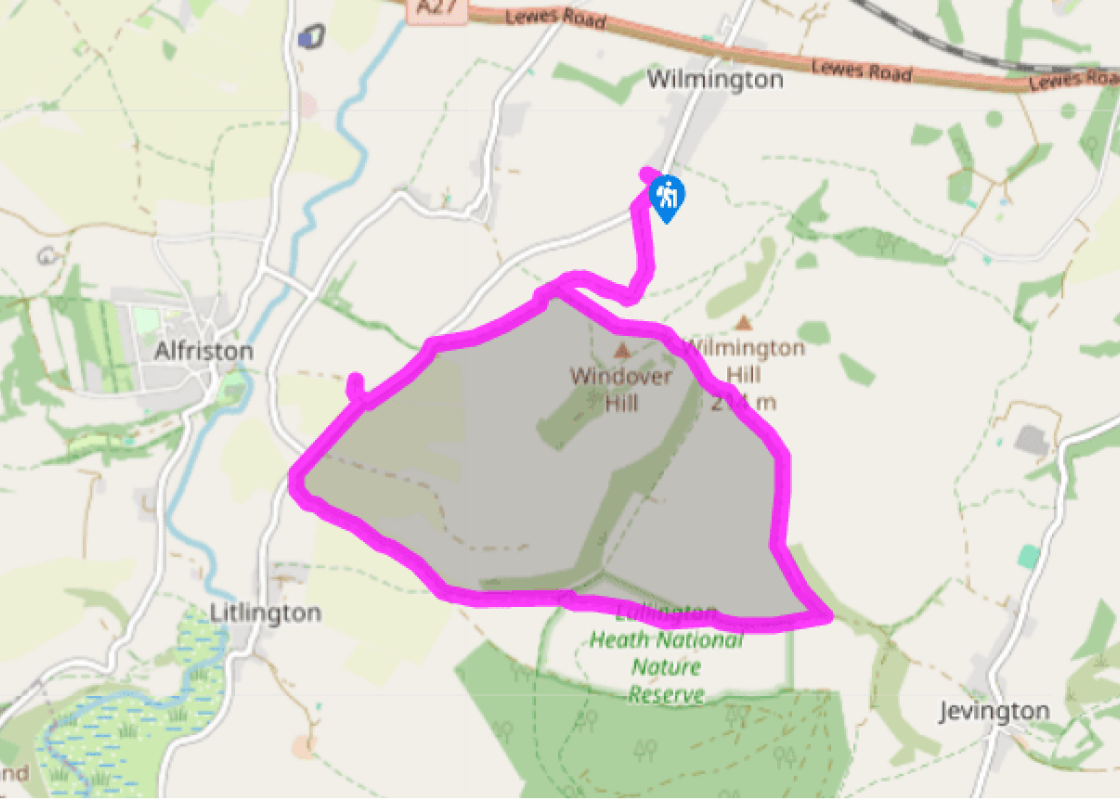
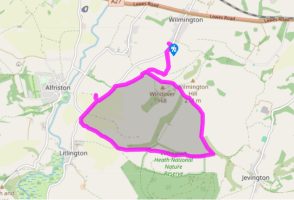
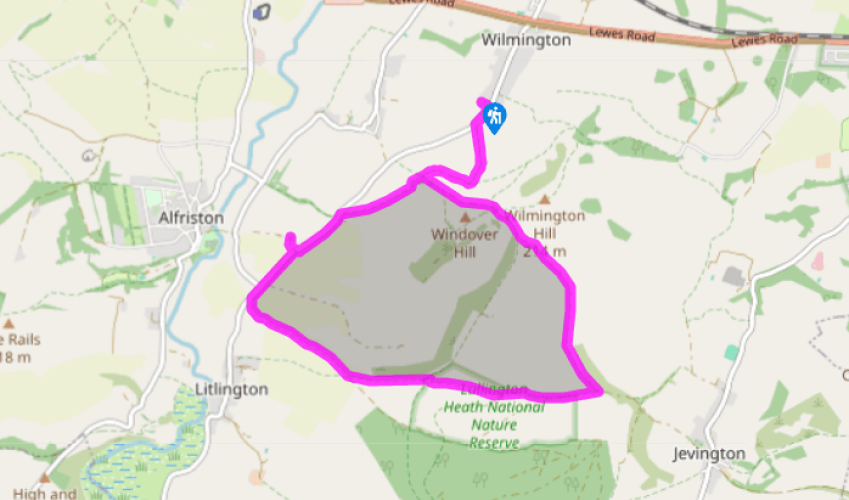
Make for the car park exit, cross the road and turn right to follow the path parallel to the road, heading towards the Long Man of Wilmington. Bear left at the barrier and take the Wealdway to the chalk figure. Climb quite steeply, curving to the right. Go through a gate and go straight ahead towards the escarpment, veering right just below the figure of the Long Man.
Go through the next gate, cross a track and bear left as soon as a fenceenclosed reservoir comes into view ahead. A few paces brings you to the right of a gate and a sign for the South Downs Way. Turn right on a track and pass the reservoir.
Turn left onto the road and walk down to a signpost by two wooden garages for Lullington church, following the path alongside several cottages. After visiting the church, retrace your steps to the road and turn right. Head down the lane and past a turning for Alfriston on the right, and continue ahead towards Seaford.
Just after a postbox, turn left on a rising track, signposted ‘Jevington’. Follow this as it climbs steadily between tracts of remote downland. Keep left at the next main junction, then at the second junction by a small flint pillar keep forward, past the entrance gate to Winchester’s Pond on your left. Lullington Heath National Nature Reserve is on the right now. At the bottom of a dip, continue forward (ignoring a track to the right) and keep on the track as it climbs steeply. Pass a second sign.
Where the trees begin, reach a junction with the South Downs Way and turn left to follow the enclosed path to a gate. Go straight ahead slightly above the woodland and pass through a wooden gate. The path begins a gradual curve to the left and eventually passes along the rim of a spectacular dry valley known as Deep Dean. Keep the fence on your left and look for a gate ahead. Swing right as you approach it to a stile and then follow the path to the left of the fence, crossing along the top of the Long Man.
Glance to your right and you can just make out the head and body of the chalk figure down below. It’s an intriguing view. Continue, keeping the fence on your right, avoiding joining the main track which bends left towards the reservoir, and descend to a gate. Turn right here and retrace your steps to the car park at Wilmington.
Additional information
Terrain
- Downland paths and tracks, stretch of country road
Landscape
- Dramatic downland on east side of Cuckmere Valley
Dog friendliness
- Some enclosed tracks suitable for dogs off lead
Parking
- Long-stay car park at Wilmington
Toilets en route
- None on route
About the walk
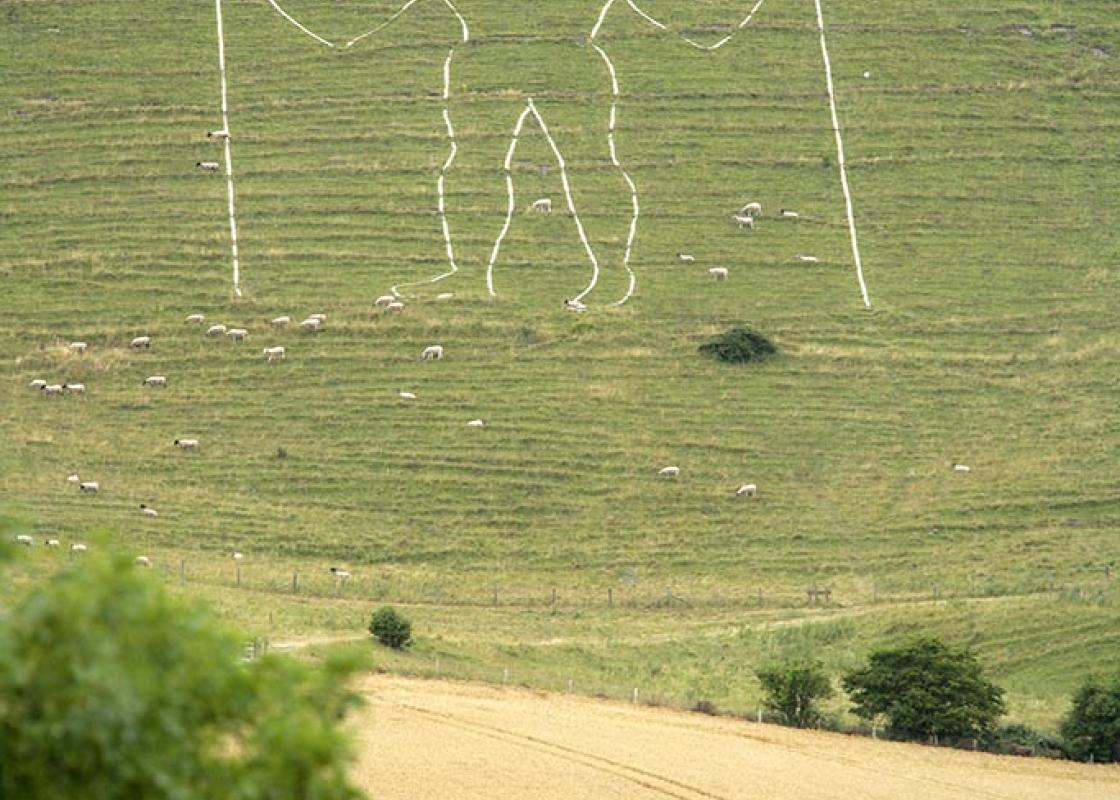
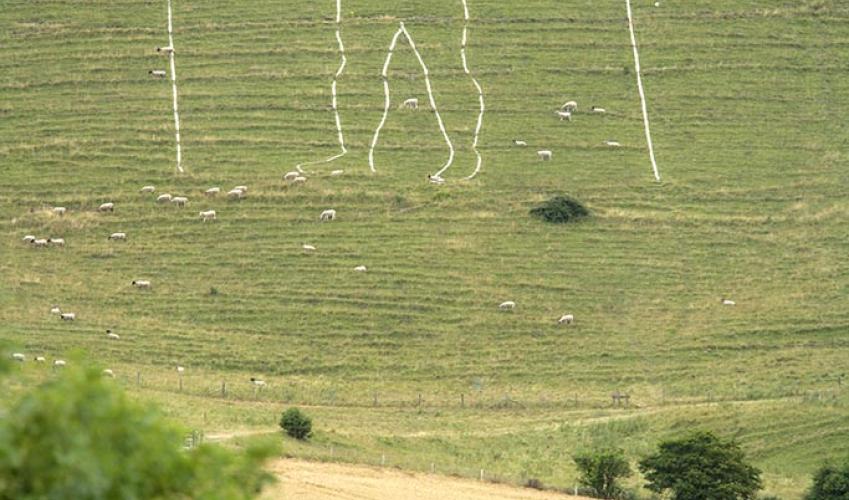
One of Britain’s most impressive and enduring mysteries is the focal point of this highly scenic walk high on the Downs. Cut into the turf below Windover Hill, the chalk figure of the Long Man of Wilmington is the largest representation of the human figure in Western Europe, and yet it remains an... enigma, its origins shrouded in mystery. For centuries experts have been trying to solve this ancient puzzle, but no one has been able to prove conclusively who he is or what he symbolises. For many years the earliest record of the Long Man was thought to have been a drawing by the antiquarian William Burrell, made when he visited Wilmington Priory in 1766. Then, in 1993, a new drawing was discovered, made by John Rowley, a surveyor, as long ago as 1710. Though the new drawing has confirmed some theories, it has not been able to shed any real light as to the Long Man's true identity or why this particular hillside was chosen. However, it does suggest that the original figure was a shadow or indentation in the grass rather than a bold line. It seems there were distinguishing facial features which may have long faded; the staves being held were not a rake and a scythe as once described and the head was originally a helmet shape, indicating that the Long Man may have been a helmeted war-god. Until the 19th century the chalk figure was only visible in a certain light, particularly when there was a dusting of snow or frost on the ground. In 1874, a public subscription was raised through The Times and the figure re-cut. To help define the outline of the Long Man, the site was marked out in yellow bricks, though this restoration work may have resulted in the feet being incorrectly positioned. In 1925 the Long Man of Wilmington was given to the Sussex Archaeological Trust, which later became the Sussex Archaeological Society. During World War II the site was camouflaged to prevent enemy aircraft from using it as a landmark. In 1969 further restoration work began, and the yellow bricks were replaced with pre-cast concrete blocks. These are frequently painted now, so that the shape of the Long Man stands out from a considerable distance away. Photographed from the air, the figure is elongated, but when viewed from ground level an optical illusion is created and he assumes normal human proportions. The walk passes as close as it can to the Long Man before heading out into isolated downland country, where the trees of Friston can be seen cloaking the landscape. Do this walk on a cold winter’s day and the Long Man’s ghostly aura, and the remoteness of the surroundings, will be enough to send a shiver down the spine.
Read more
Been on this walk?
Send us photos or a comment about this route. Or recommend a route of your own.

Walking in Safety
Read our tips to look after yourself and the environment when following this walk.
Get an AA guide
Explore our range of ‘50 Walks in’ guides - they’re the ideal companion for a ramble.
Been on this walk?
Send us photos or a comment about this route. Or recommend a route of your own.
Walking in Safety
Read our tips to look after yourself and the environment when following this walk.
Get an AA guide
Explore our range of ‘50 Walks in’ guides - they’re the ideal companion for a ramble.
About the area
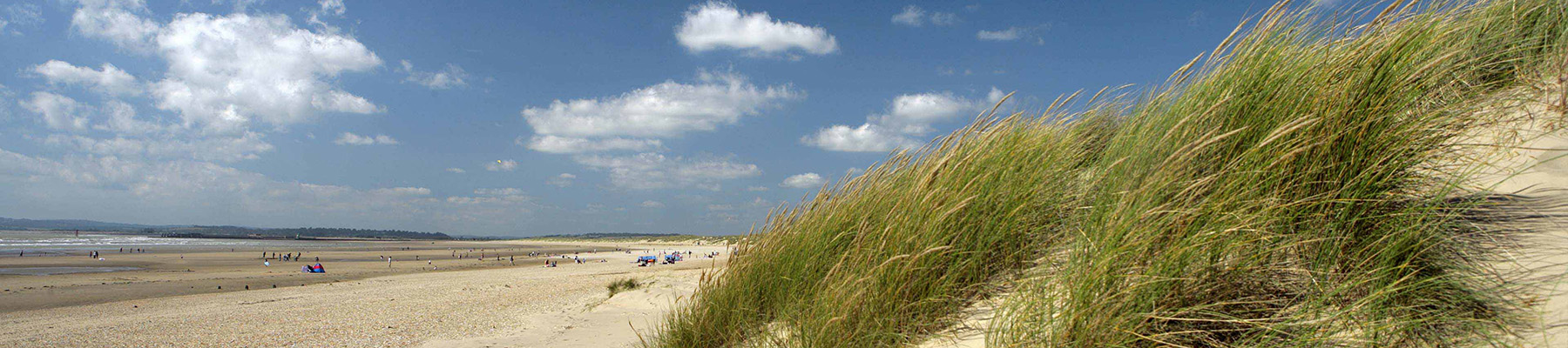
East Sussex is a land of stately homes, castles and the South Downs, with miles of chalk cliffs overlooking the English Channel. For history buffs, there are a great many historic landmarks within Sussex, such as the battlefield where the Battle of Hastings took place, or visitors can enjoy pretty towns such as Lewes, Rye and Uckfield and the city of Brighton.
Nearby places to stay
View all (8)
Holiday Park
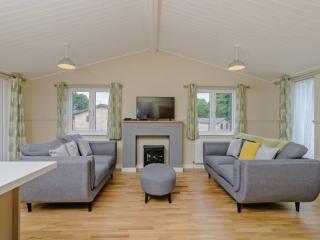
Warren Wood Country Park
★★★★★
"Boutique lodges in serene setting amidst trees and birdsong...."
Bed & Breakfast
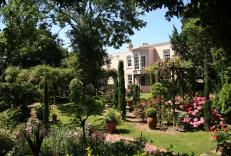
Ocklynge Manor
★★★★★
"A special place to stay with immaculate gardens...."
- Rooms 3
- Free TV
- DVD Player
- Wifi
Self-Catering
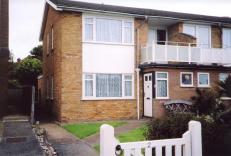
2 Kingsway Court
★★★★
"Delightful cottage close to the town centre, unspolt coast and South Downs National Park..."
Nearby places to stay
Warren Wood Country Park
Situated in the heart of the East Sussex countryside, Warren Wood offers luxury woodland or lake side self-catering lodges, all with private hot tubs. Near to the seaside town of Eastbo...
★★★★★ Rating
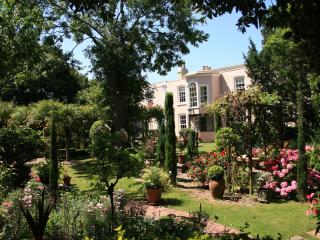
Ocklynge Manor
Over the centuries Ocklynge Manr has seen a variety of uses since serving as a commanderie for the Knights of St John in the 12th century. An air of peace and relaxation is evident in t...
★★★★★ Rating
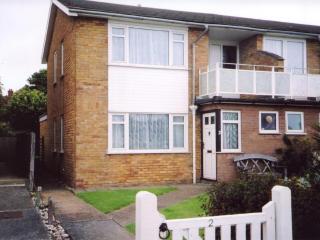
2 Kingsway Court
A delightful holiday cottage, close to Seaford town centre, the seafront and the South Downs National Park. On the ground-floor there’s a large lounge/diner, large kitchen/breakfast roo...
★★★★ Rating
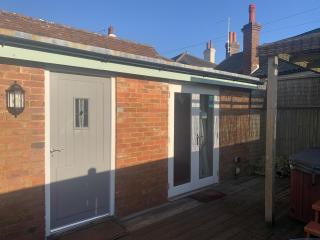
2 Kingsway Court
A delightful holiday cottage, close to Seaford town centre, the seafront and the South Downs National Park. On the ground-floor there’s a large lounge/diner, large kitchen/breakfast roo...
★★★★ Rating
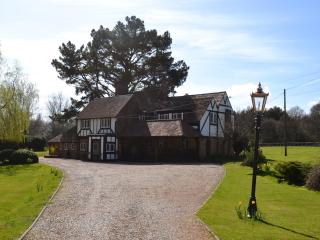
Golden Cross Holiday Park
Situated in the East Sussex countryside, Golden Cross Holiday Park offers luxury self-catering holiday lodges with each one having its own private hot tub. A great location for visiting...
★★★★ Rating
Broadacres
Broadacres is a beautiful property located very near Lewes, and has a single, spacious, self-contained suite for guest use. The richly decorated suite is well equipped – the bedroom fea...
★★★★★ Rating
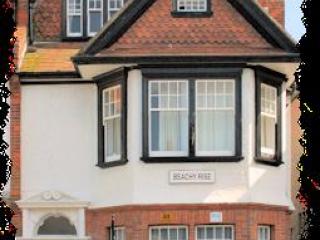
Beachy Rise Guest House
This friendly, family-run guest house has a quiet residential location near the shops, pubs and restaurants in Meads village. Bedrooms are individually styled with co-ordinated soft fur...
★★★ Rating
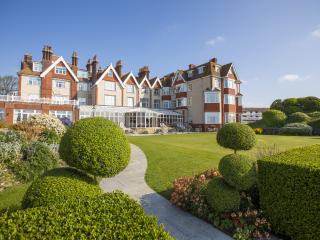
Hydro Hotel Eastbourne
The well-managed and popular Hydro Hotel Eastbourne enjoys an elevated position with views of attractive gardens and the sea beyond. The spacious bedrooms are attractive and well equipp...
★★★★ Rating