Hallsenna Moor National Nature Reserve
Recommended by


Overview
Hallsenna Moor NNR, near the village of Seascale in southwest Cumbria, is one of the few remaining lowland heath and peatland habitats in the county. The moor is notable for the fact that it has never been cut for peat and therefore supports a diverse collection of plants, including those typical of woodlands, valley peatland, wet and dry heathland and fen. The insect-eating sundew is an excellent example of how the plants here have adapted. Other peatland plants, like the bright yellow star-shaped flowers of bog asphodel, add a splash of colour to the bleak bog in summer, while cotton grasses soften the landscape with their white fluffy heads. The reserve is also a haven for bird life. Among other species, you should watch for buzzards hunting over the moor, curlews hiding in the peatlands, and warblers flitting among the scrub and tree cover on the reserve edges.
About the area
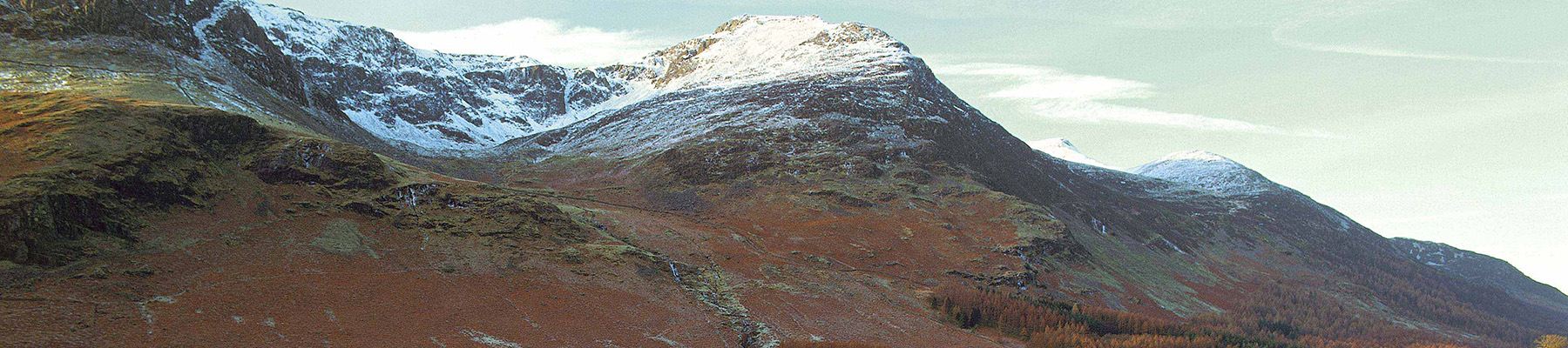
Cumbria's rugged yet beautiful landscape is best known for the Lake District National Park that sits within its boundaries. It’s famous for Lake Windermere, England’s largest lake, and Derwent Water, ‘Queen of the English Lakes', but other lesser-known areas in the south, such as the Lune Valley and the coastal towns, are secret gems of wide cobbled streets and rolling hills.
Places to eat nearby View all

Nearby places to stay
View all (8)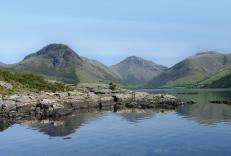


Nearby places to stay
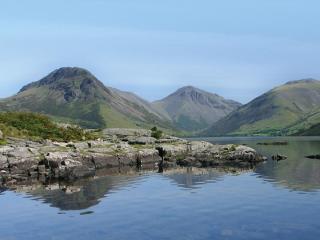
Seven Acres Caravan Park
This sheltered park is close to quiet west Cumbrian coastal villages and beaches, and also handy for Eskdale and Wasdale. There is a good choice of pitches, some are hedged bays for pri...
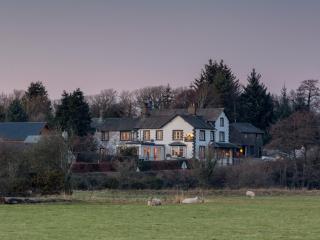
The Lutwidge Arms
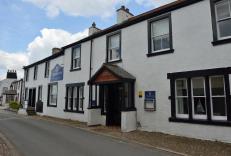
This Victorian roadside inn is family run and offers a welcoming atmosphere. Its name comes from the Lutwidge family of Holmrook Hall, whose lineage included Charles Lutwidge Dodgson, b...
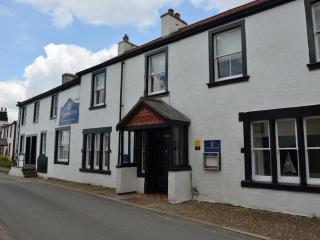
The Pennington Hotel
The Pennington Hotel has a prominent location in the small coastal village of Ravenglass and offers a very relaxed atmosphere. The bedrooms are comfortable and some have beautiful views...
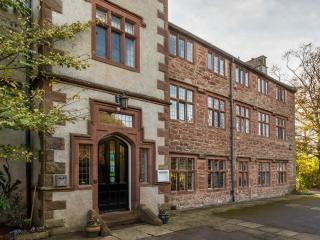
Sella Park Country House Hotel
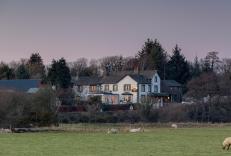
This property, parts of which date back to at least the 16th century, is set in six acres of mature grounds which lead down to the River Calder. The individually designed bedrooms are v...
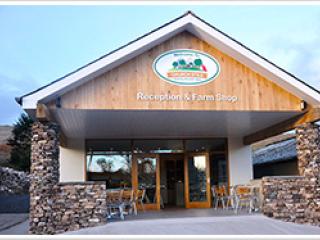
Church Stile Farm & Holiday Park
A superb, secluded park surrounded by mature trees, hedging and Lakeland-stone walls in a peaceful valley setting. The combination of indigenous trees and summer wildflowers creates stu...
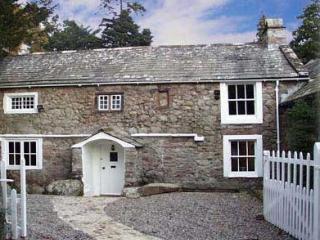
Yattus Cottage
A stone-built 17th-century cottage with three bedrooms and heaps of period character, Yattus offers a homely sitting room with a beamed ceiling, a dining room with a wood-burning stove,...
Yattus
A stone-built 17th-century cottage with three bedrooms and heaps of period character, Yattus offers a homely sitting room with a beamed ceiling, a dining room with a wood-burning stove,...
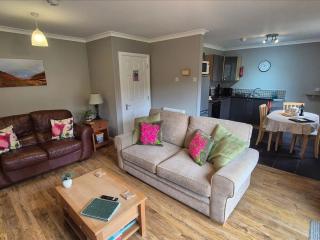
Oak Chalet
Awaiting description...