Greenlee Lough National Nature Reserve
Recommended by


Overview
Greenlee Lough NNR occupies one of the loughs, or shallow lakes, found near the World Heritage Site of Hadrian’s Wall in Northumberland. It is the largest natural freshwater lake in Northumberland, supporting aquatic plant species that require low levels of nutrients, with a mixture of surrounding habitats such as mires, reedbeds and wet carr woodland. There is a good variety of water plants, including 11 species of pondweed and stonewort. Around the margins are areas of reedbed with other plants including bog bean and marsh cinquefoil. The starry white flowers of bog bean are found in shallow ponds, fens, bogs and marshes, and it blooms from March until June. The deep red stars of marsh cinquefoil is a good source of food for nectar-loving insects such as bees and hoverflies. The lough is also used extensively by wildfowl and waders that feed in the shallow waters and wetlands.
About the area
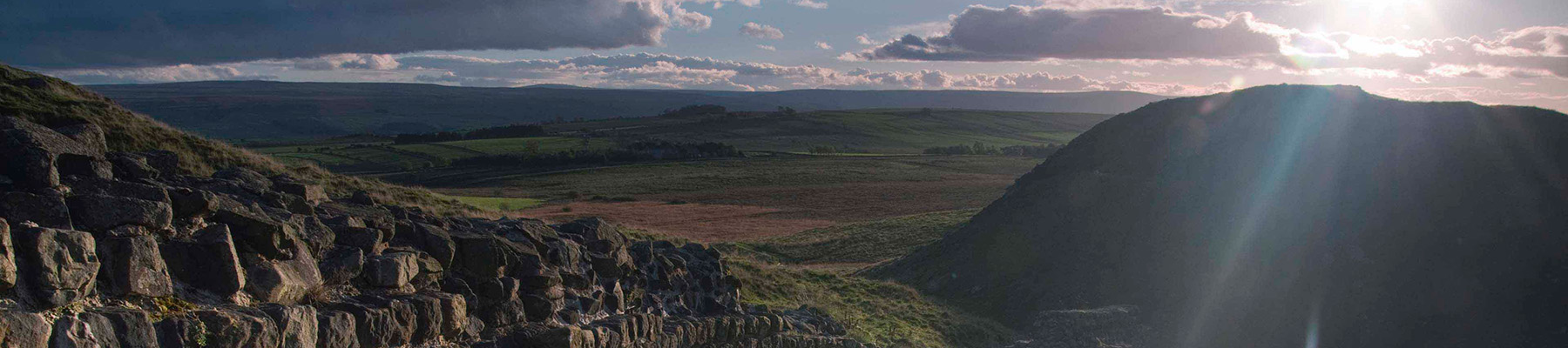
If it’s history you’re after, there’s heaps of it in Northumberland. On Hadrian’s Wall you can imagine scarlet-cloaked Roman legionaries keeping watch for painted Pictish warriors while cursing the English weather and dreaming of home.
Places to eat nearby View all
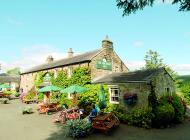
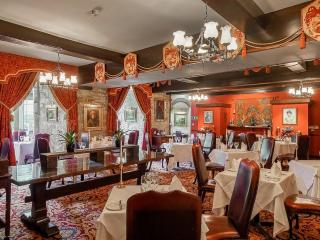
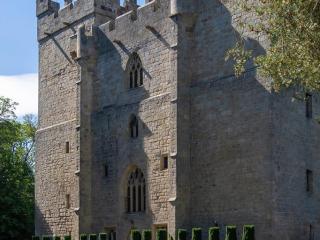
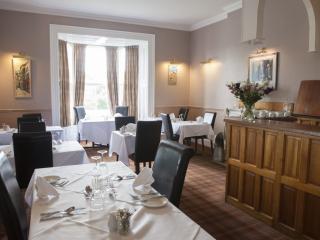
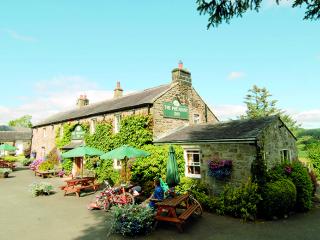
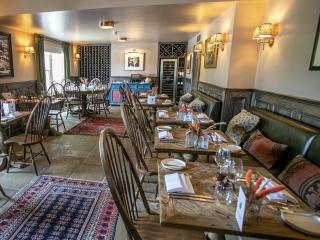
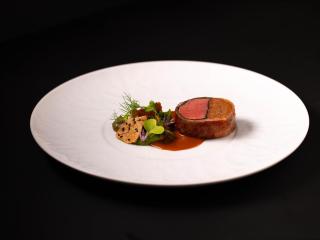
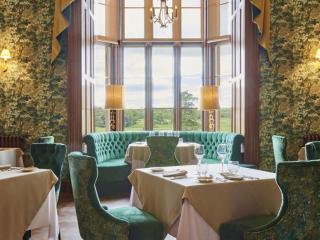
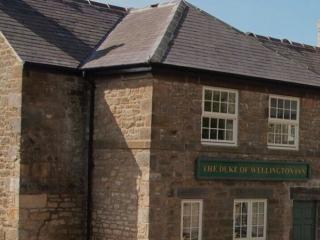
Nearby places to stay
View all (8)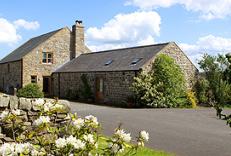


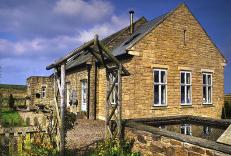

Nearby places to stay
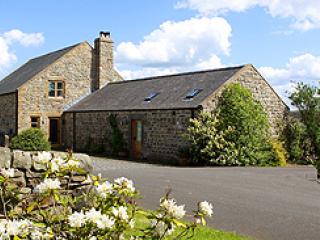
Old High Shield
Old High Shield Cottage is a spacious bungalow with lovely views of Northumberland’s striking scenery. Part of that scenery is one of the UK’s most important historical features, Hadria...
Old High Shield
Old High Shield Cottage is a spacious bungalow with lovely views of Northumberland’s striking scenery. Part of that scenery is one of the UK’s most important historical features, Hadria...
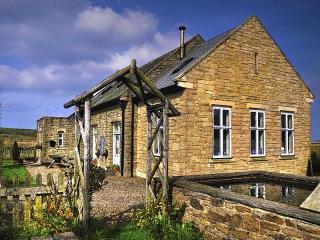
Old Repeater Station
Old Repeater Station started life as one of several buildings used as repeater stations on the Newcastle to Carlisle railway line. Now converted into a bed and breakfast, it enjoys an e...
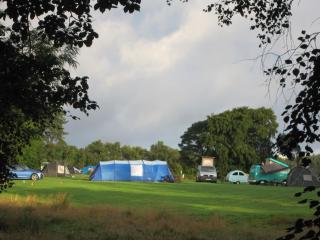
Stonehaugh Campsite
Stonehaugh is a quiet and relaxed rural site situated in the stunning Northumberland National Park between Kielder Water, Hadrians Wall and Hexham. It is set in beautiful moorland on th...
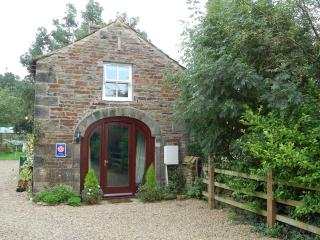
Old Brewery Cottage and Old Brewery Coach House
Two stone-built Grade 2 listed cottages nestled behind the owners' residence but with independent access. Set in a gravelled courtyard and with off-road parking, the cottages are ideal ...
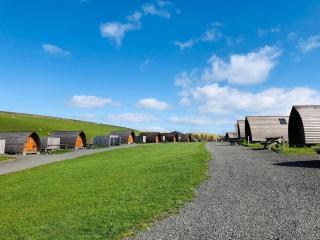
Herding Hill Farm Touring & Camping Site
Nestled in rural Northumberland, just 1.5 miles from Haltwhistle and close to the iconic Hadrian's Wall, Herding Hill Farm Touring & Camping Site offers a stunning setting with breathta...
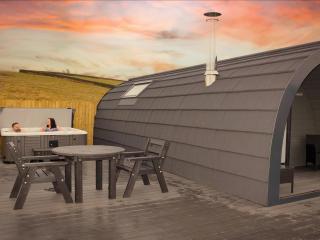
Herding Hill Farm, Glamping site
Located above the town of Haltwhistle and very close to Hadrian’s Wall, this developing glamping site is ideally suited for walkers, ramblers and historians alike. Separate from the tou...
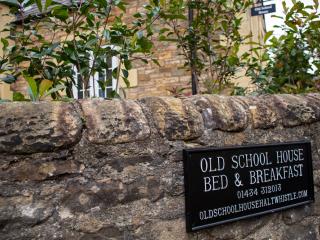
Old School House
The Old School House is close to Hadrian's Wall and the Pennine Way long distance footpath. It offer comfortable bedrooms, spacious public areas and drying and storage facilities for wa...