Coedydd Aber National Nature Reserve
Recommended by


Overview
The most notable physical feature of the Coedydd Aber NNR is Rhaeadr Fawr, (‘big waterfall’), which lies is at the head of the River Aber. The humid nature of the reserve’s woodland makes it a great place for some rare ferns, mosses and lichens. An unusual plant found in significant numbers is the feathery wood horsetail, which is uncommon in North Wales. The reserve is also exceptionally good for fungi, including fly agaric, oakbug milkcap and turkey tail. Spring migrants in the Coedydd Aber woods include pied flycatchers, wood warblers, tree pipits, redstarts and wheatears, and in the nearby conifer plantation, crossbills have been seen. The great spotted woodpecker can be heard in the woods, and along the river look out for dippers and grey wagtails – you might also catch a glimpse of a kingfisher. Closer to the waterfall ring ouzels, choughs and ravens can sometimes be seen. The most notable mammal living in the reserve is a thriving population of weasels, and you might also see bank voles and wood mice.
About the area
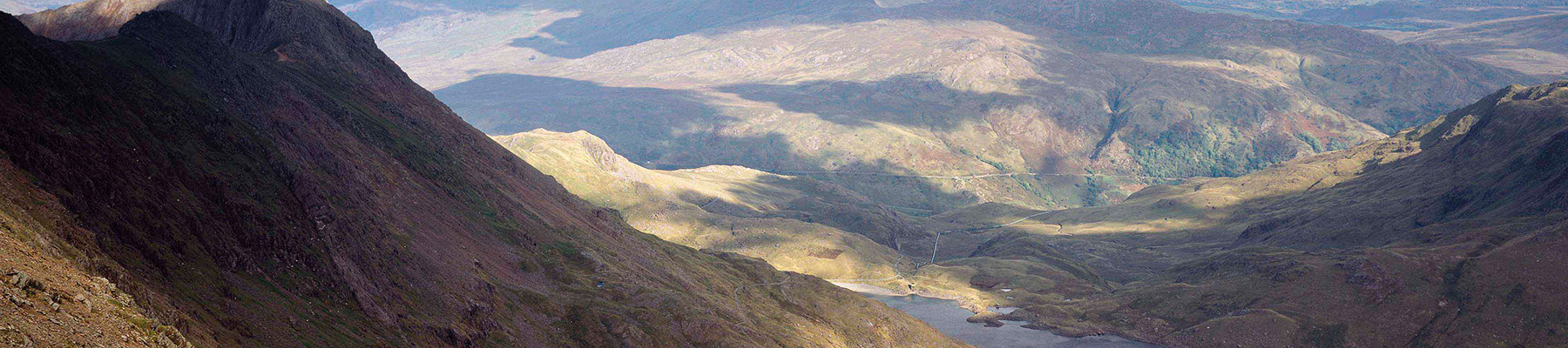
The county of Gwynedd is home to most of the Snowdonia National Park – including the wettest spot in Britain, an arête running up to Snowdon’s summit that receives an average annual rainfall of 4,473mm. With its mighty peaks, rivers and strong Welsh heritage (it has the highest proportion of Welsh-speakers in all of Wales), it’s always been an extremely popular place to visit and live.
Places to eat nearby View all


Nearby places to stay
View all (8)



Nearby places to stay
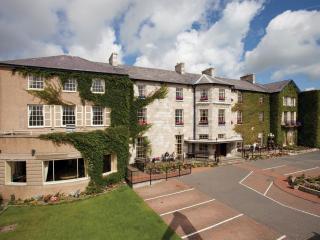
The Bulkeley Hotel
A Grade I listed hotel built in 1832, The Bulkeley is just 100 yards from the 13th-century Beaumaris Castle in the centre of town. Friendly staff create a relaxed atmosphere. Refreshmen...
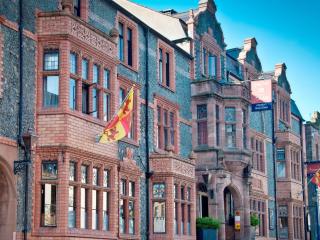
Castle Hotel Conwy
Castle Hotel is an iconic 16th-century building that offers a relaxed and friendly atmosphere. The hotel is well located on Conwy's High St, with rooms and a terrace that offers incredi...
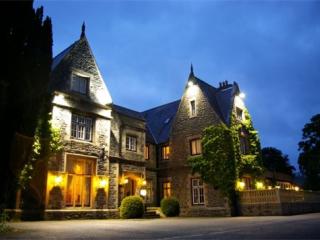
Maenan Abbey
Maenan Abbey is a small, personally-run country house in a great location in Eryri National Park. Visitors can enjoy the huge amount of local attractions, walking and outdoor activities...
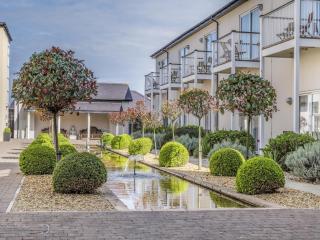
Quay Hotel & Spa
This luxury hotel occupies a stunning position beside the estuary on Deganwy Quay overlooking Conwy Castle and Snowdonia. Sleek, contemporary design runs through all aspects here. Spaci...
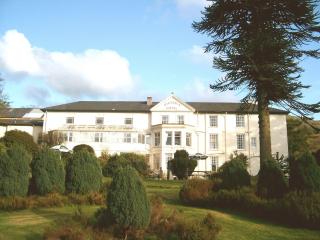
The Royal Victoria Hotel Snowdonia
The Royal Victoria Hotel Snowdonia is a well-established hotel near the foot of Snowdon, between the Peris and Padarn lakes. The mountains and extensive grounds make an attractive backd...
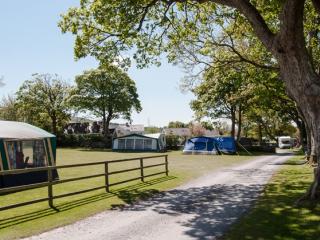
Llys Derwen Caravan & Camping Site
Enjoy the adventure of a lifetime in Snowdonia North Wales. Nestled in the scenic embrace of Mount Snowdon (Yr Wyddfa), the award winning Llys Derwen Caravan & Campsite Snowdon is an id...
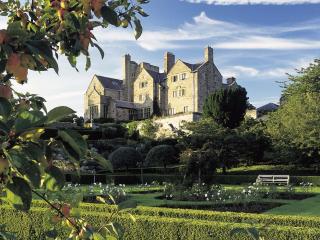
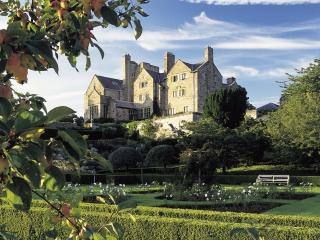
Bodysgallen Hall and Spa
Bodysgallen Hall is a 17th-century house situated in its own parkland and formal gardens, occupying an elevated position, with views towards Snowdonia and across to Conwy Castle. The lo...
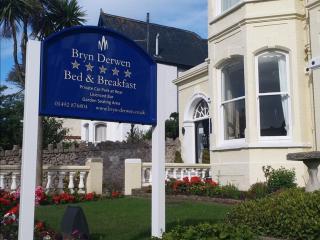
Bryn Derwen
Located in a quiet area of Llandudno, Bryn Derwen is just a short walk from the main shopping area and local restaurants. A friendly welcome is assured at this impressive Victorian hous...