Rhinog National Nature Reserve
Recommended by


Overview
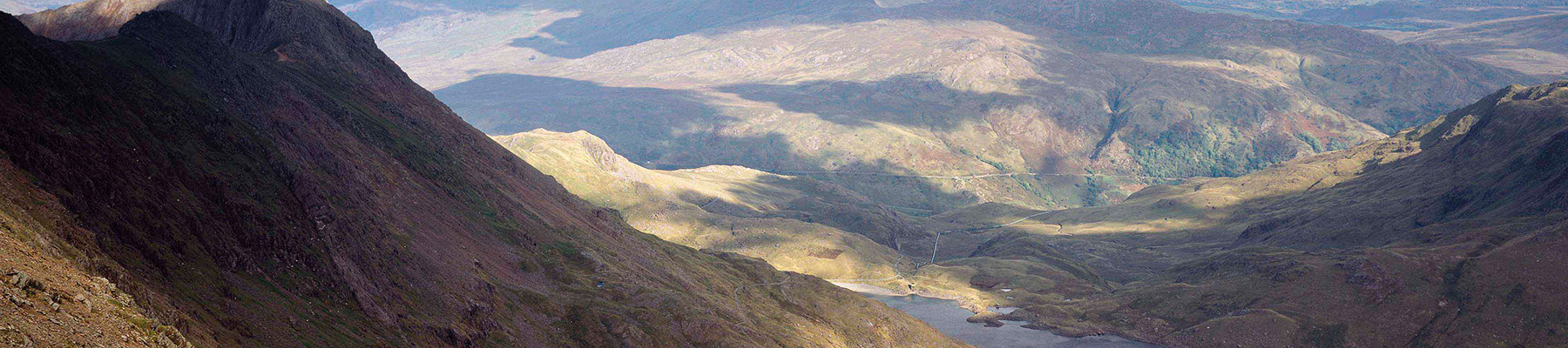
The Rhinog NNR, near Harlech, lies at the heart of the Rhinog mountain range, and consists of a broad expanse of upland heath of particular importance for its birdlife. One of the special birds that nest in the reserve is the ring ouzel, which arrives in March after overwintering in northwest Africa. Another summer visitor to Rhinog is the northern wheatear, which nests in the open grasslands. Resident birds include the rare merlin, which shares its territory with the peregrine falcons, hen harriers and kestrels that prey on the smaller birds that make their homes in these wild places. Other game birds sometimes seen at Rhinog include small populations of black and red grouse. In late summer the upland heaths are transformed by the purple heather, and among the many other flowers are heath spotted orchids around the lake in Cwm Bychan. The Roman Steps, an old drovers’ route, is one of the few places in Wales where the lesser twayblade has been recorded.
About the area
The county of Gwynedd is home to most of the Snowdonia National Park – including the wettest spot in Britain, an arête running up to Snowdon’s summit that receives an average annual rainfall of 4,473mm. With its mighty peaks, rivers and strong Welsh heritage (it has the highest proportion of Welsh-speakers in all of Wales), it’s always been an extremely popular place to visit and live.
Places to eat nearby View all
Nearby places to stay
View all (8)


Nearby places to stay
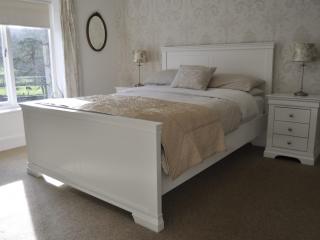
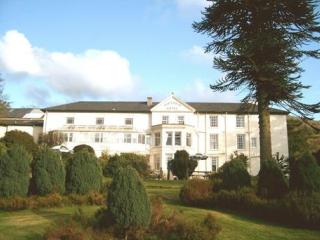
Ty Mawr Hotel
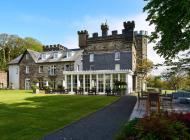
Ty Mawr translates as 'Big House' and this particular house is located in the picturesque Snowdonia National Park. The attractive grounds, opposite the River Artro, provide a popular be...
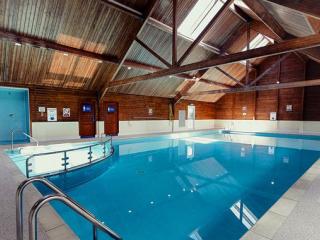
Barmouth Bay Holiday Park
With a mountain backdrop and direct access to miles of sandy beaches, Barmouth Bay Holiday Park is an ideal location for escaping from the pressures of everyday life. Holiday homes are ...
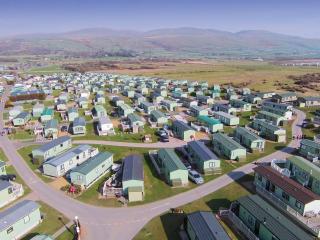
Islawrffordd Caravan Park
Situated on the coast between Barmouth and Harlech and within the Snowdonia National Park, this site has clear views of Cardigan Bay, the Llŷn Peninsula and the Snowdonia and Cader Idri...
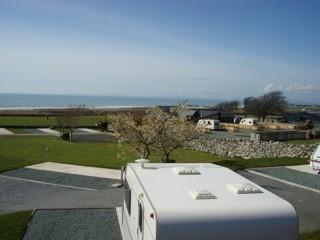
Trawsdir Touring Caravans & Camping Park
Well run by the owners, this quality park enjoys spectacular views to the sea and hills, and is very accessible for motor traffic. The facilities are appointed to a very high standard, ...
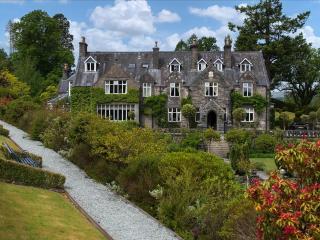
Penmaenuchaf Dolgellau
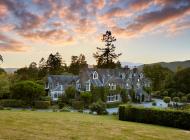
Set under the imposing Cadair Idris and overlooking the Mawddach estuary, Penmaenuchaf is a comfortable retreat enjoying peace, fantastic views and dark skies. The house has long been w...
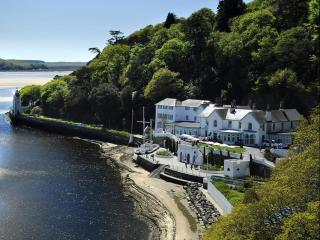
The Hotel Portmeirion
An elegant hotel enjoying pride of place shore-side beneath the wooded slopes of Portmeirion village, overlooking the sandy estuary. Saved from dereliction in the 1920s by Clough Willia...
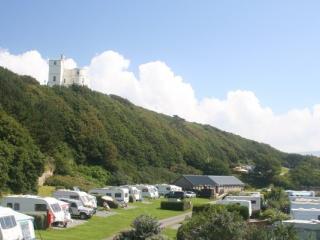
Hendre Mynach Touring Caravan & Camping Park
A constantly improving site where the enthusiastic owners invest year on year to enhance the customer experience. Although there is a steep decent to the arrivals' area, staff are alway...
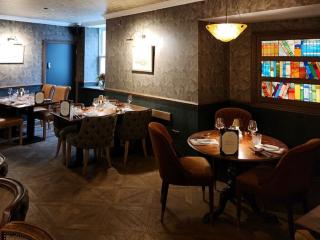
The Fanny Talbot
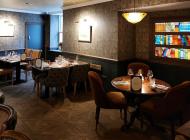
First impressions at the Fanny Talbot might suggest a mere seaside resort pub, but this recently launched dining venue offers fabulous interiors, plenty of comfort and a gastro dining r...