Coed Ganllwyd National Nature Reserve
Recommended by


Overview
A short walk through the Coed Ganllwyd NNR in the Coed-y-Brenin Forest leads to the spectacular 60ft-high Rhaeadr Ddu, or Black Falls, on the Afon Gamlan. The falls take their name from the slab of black rock over which the water cascades. Higher rainfall and continuous river spray, which is prevented from evaporating by the dense oak canopy, results in extreme humidity in the woodland. This wet climate makes Coed Ganllwyd the richest site for mosses and liverworts in Western Europe. Sessile oak, with occasional birch and ash, dominate the ancient woodland. Spring and summer mark the arrival of a host of migrant woodland birds such as wood warbler, nuthatch, jay, black cap and redstart as well as the distinctive pied flycatcher. Dippers may be spotted along the river. Insects include the uncommon brimstone butterfly, found on the nearby Dolmelynllyn estate. The wood is also an important area for bats, especially the rare lesser horseshoe.
About the area
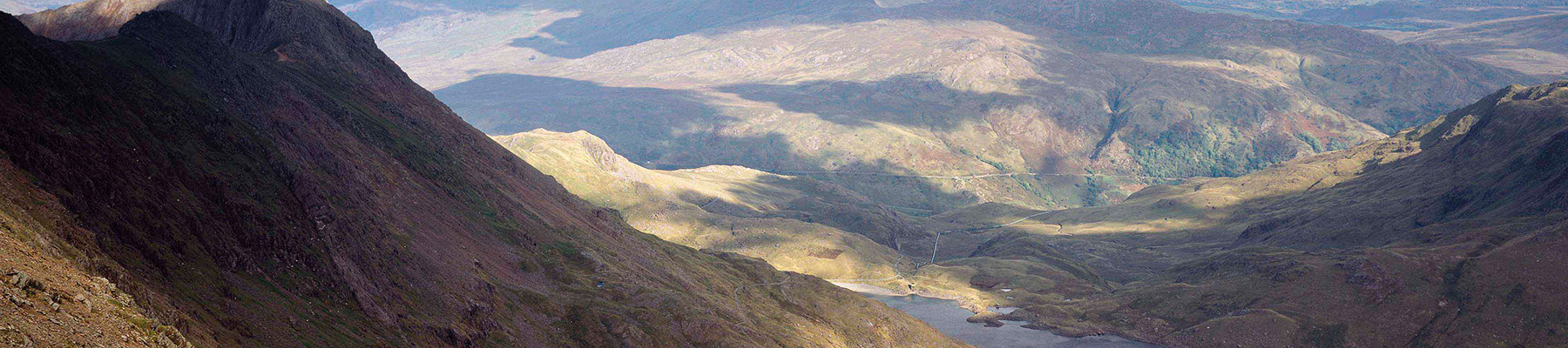
The county of Gwynedd is home to most of the Snowdonia National Park – including the wettest spot in Britain, an arête running up to Snowdon’s summit that receives an average annual rainfall of 4,473mm. With its mighty peaks, rivers and strong Welsh heritage (it has the highest proportion of Welsh-speakers in all of Wales), it’s always been an extremely popular place to visit and live.
Places to eat nearby View all
Nearby places to stay
View all (8)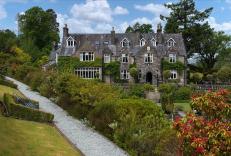


Caravan & Camping
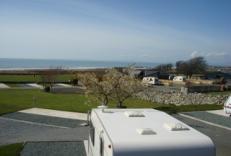
Trawsdir Touring Caravans & Camping Park
- Launderette
- Ice pack facility
- BBQ
- Picnic Area
Nearby places to stay
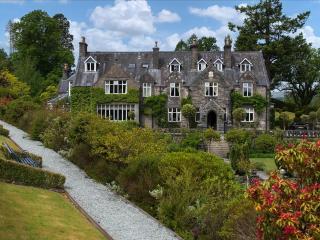
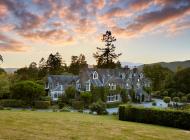
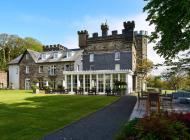
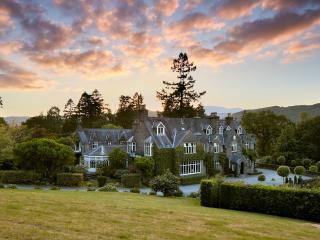
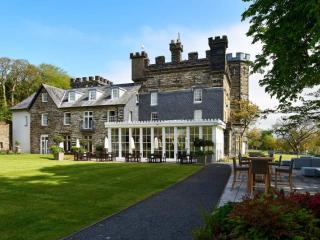
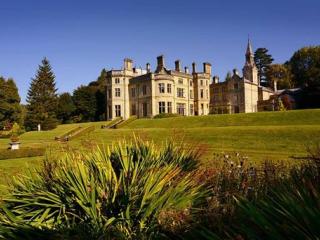
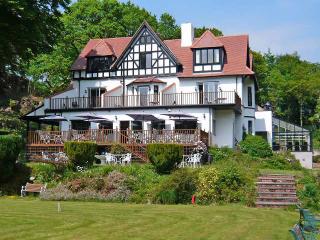
Penmaenuchaf Dolgellau
Set under the imposing Cadair Idris and overlooking the Mawddach estuary, Penmaenuchaf is a comfortable retreat enjoying peace, fantastic views and dark skies. The house has long been w...
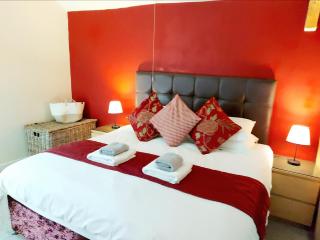
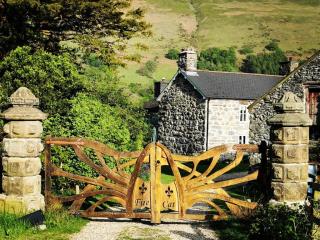
Dolgun Uchaf Bed & Breakfast
Dolgun Uchaf Bed & Breakfast is located in a peaceful area with stunning views of the surrounding countryside. This 500-year-old property was a rich history including a time as a Quaker...
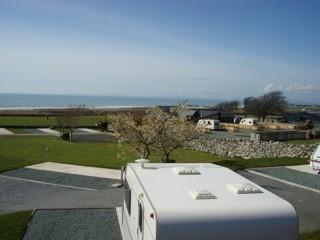
Trawsdir Touring Caravans & Camping Park
Well run by the owners, this quality park enjoys spectacular views to the sea and hills, and is very accessible for motor traffic. The facilities are appointed to a very high standard, ...
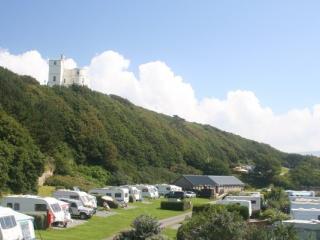
Hendre Mynach Touring Caravan & Camping Park
A constantly improving site where the enthusiastic owners invest year on year to enhance the customer experience. Although there is a steep decent to the arrivals' area, staff are alway...
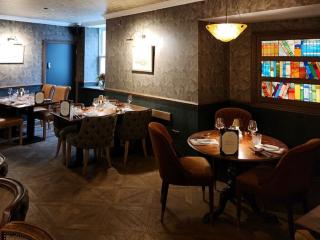
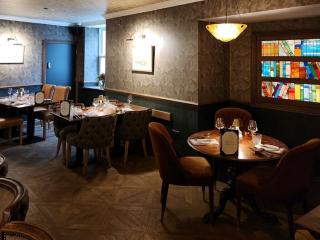
The Fanny Talbot
First impressions at the Fanny Talbot might suggest a mere seaside resort pub, but this recently launched dining venue offers fabulous interiors, plenty of comfort and a gastro dining r...
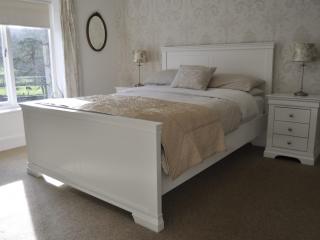
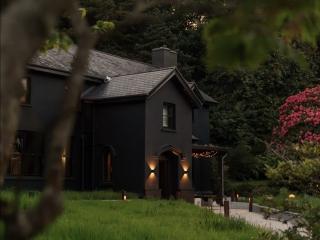
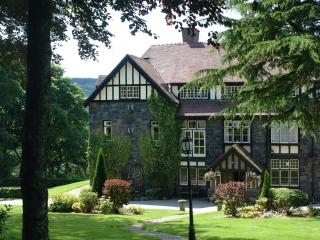
Ty Mawr Hotel
Ty Mawr translates as 'Big House' and this particular house is located in the picturesque Snowdonia National Park. The attractive grounds, opposite the River Artro, provide a popular be...
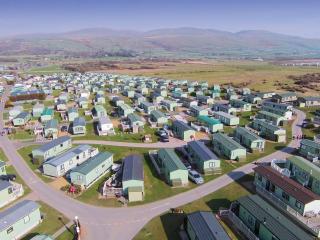
Islawrffordd Caravan Park
Situated on the coast between Barmouth and Harlech and within the Snowdonia National Park, this site has clear views of Cardigan Bay, the Llŷn Peninsula and the Snowdonia and Cader Idri...
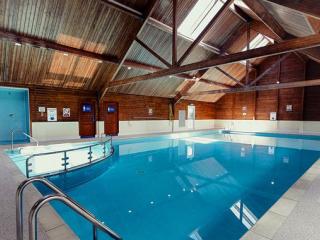
Barmouth Bay Holiday Park
With a mountain backdrop and direct access to miles of sandy beaches, Barmouth Bay Holiday Park is an ideal location for escaping from the pressures of everyday life. Holiday homes are ...