Hafod Garregog National Nature Reserve
Recommended by


Overview
The woodland at the Hafod Garregog NNR near Beddgelert is a typical sessile oak wood found in rocky river gorges in this part of North Wales. The rivers running through the gorges make the air very humid, creating an ideal environment for mosses, ferns, liverworts and lichens, and Hafod Garregog is well known for these kinds of plants. The spring flora, including carpets of bluebells, are delightful, and other plants to look out for are common cow-wheat, lady’s-mantle, water avens and sweet vernal grass. Insects thrive in the moist environment of the Haford Garregog woodlands, which makes them a good place to see summer migrant birds which find plenty of food to feed their young. These include pied flycatchers, wood warblers, tree pipits and redstarts. The drumming of the great spotted woodpecker can be heard from spring onwards, and along the river look out for dippers and grey wagtails.
About the area
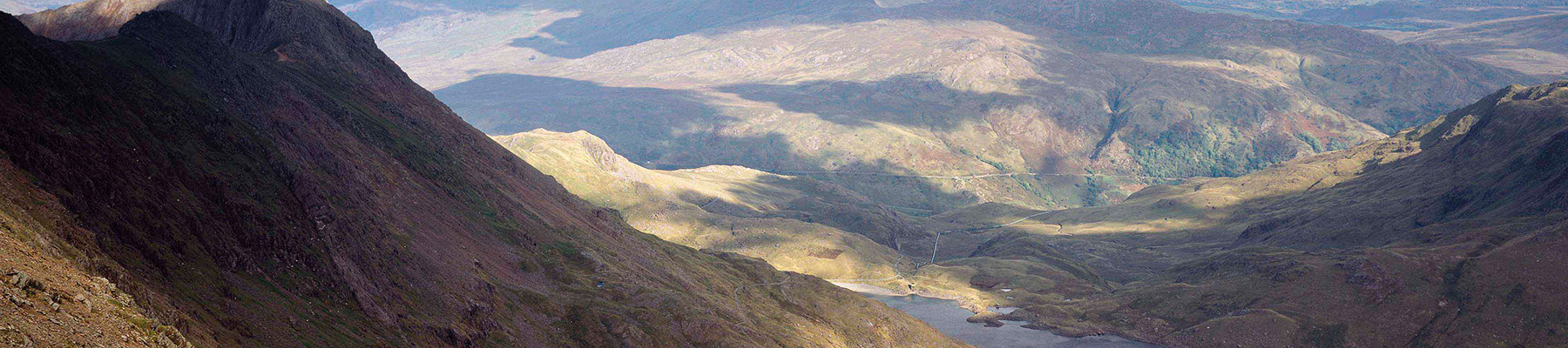
The county of Gwynedd is home to most of the Snowdonia National Park – including the wettest spot in Britain, an arête running up to Snowdon’s summit that receives an average annual rainfall of 4,473mm. With its mighty peaks, rivers and strong Welsh heritage (it has the highest proportion of Welsh-speakers in all of Wales), it’s always been an extremely popular place to visit and live.
Places to eat nearby View all


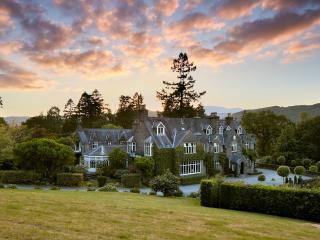

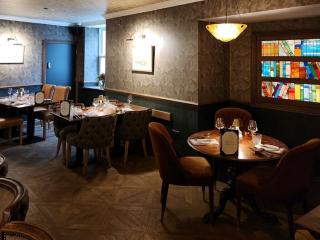
Nearby places to stay
View all (8)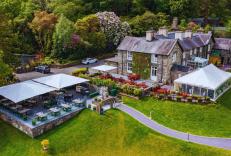



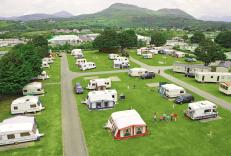

Nearby places to stay
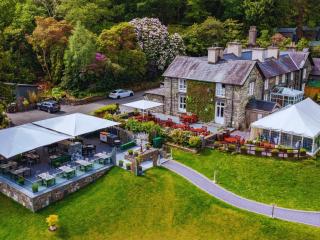
Aberdunant Hall
Part of the Aberdunant Hall holiday park, which is set on 200 acres of ancient woodland, that includes a superb selection of indigenous trees, flora and fauna, further enhanced by water...
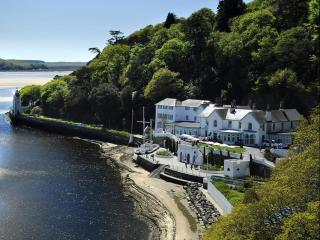
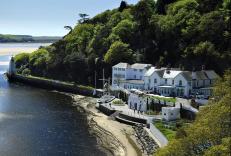
The Hotel Portmeirion
An elegant hotel enjoying pride of place shore-side beneath the wooded slopes of Portmeirion village, overlooking the sandy estuary. Saved from dereliction in the 1920s by Clough Willia...
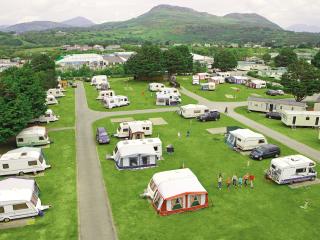
Greenacres Holiday Park
A quality holiday park on level ground just a short walk from Black Rock Sands, and set against a backdrop of Snowdonia National Park. All touring pitches are on hardstandings surrounde...
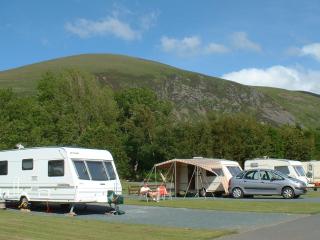
Bryn Gloch Caravan & Camping Park
Set beside the River Gwyrfai, Bryn Gloch offers shepherd's huts, static caravans and touring pitches in the heart of beautiful Snowdonia (Eryri). The park offers the best of two worlds,...
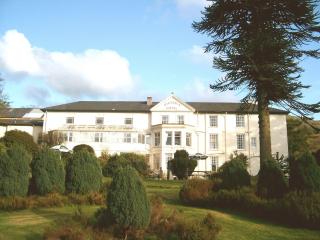
The Royal Victoria Hotel Snowdonia
The Royal Victoria Hotel Snowdonia is a well-established hotel near the foot of Snowdon, between the Peris and Padarn lakes. The mountains and extensive grounds make an attractive backd...
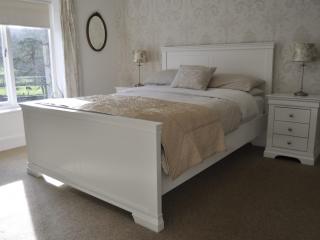
Ty Mawr Hotel
Ty Mawr translates as 'Big House' and this particular house is located in the picturesque Snowdonia National Park. The attractive grounds, opposite the River Artro, provide a popular be...
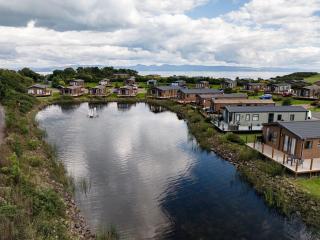
Hafan y Môr Holiday Park
Located between Pwllheli and Criccieth, and surrounded by mature trees that attract wildlife, this popular holiday centre provides a wide range of all-weather attractions. Activities in...
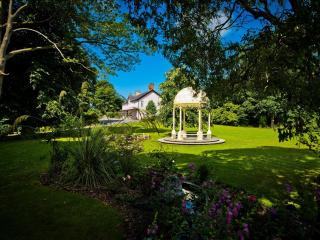
Plas Dinas Country House
Plas Dinas Country House nestles between the Snowdonia mountains and the Irish Sea. It's an idyllic setting with stunning views. Located in beautiful grounds, this delightful Grade-II l...