Low Rigg and Castlerigg
Recommended by

Walk directions
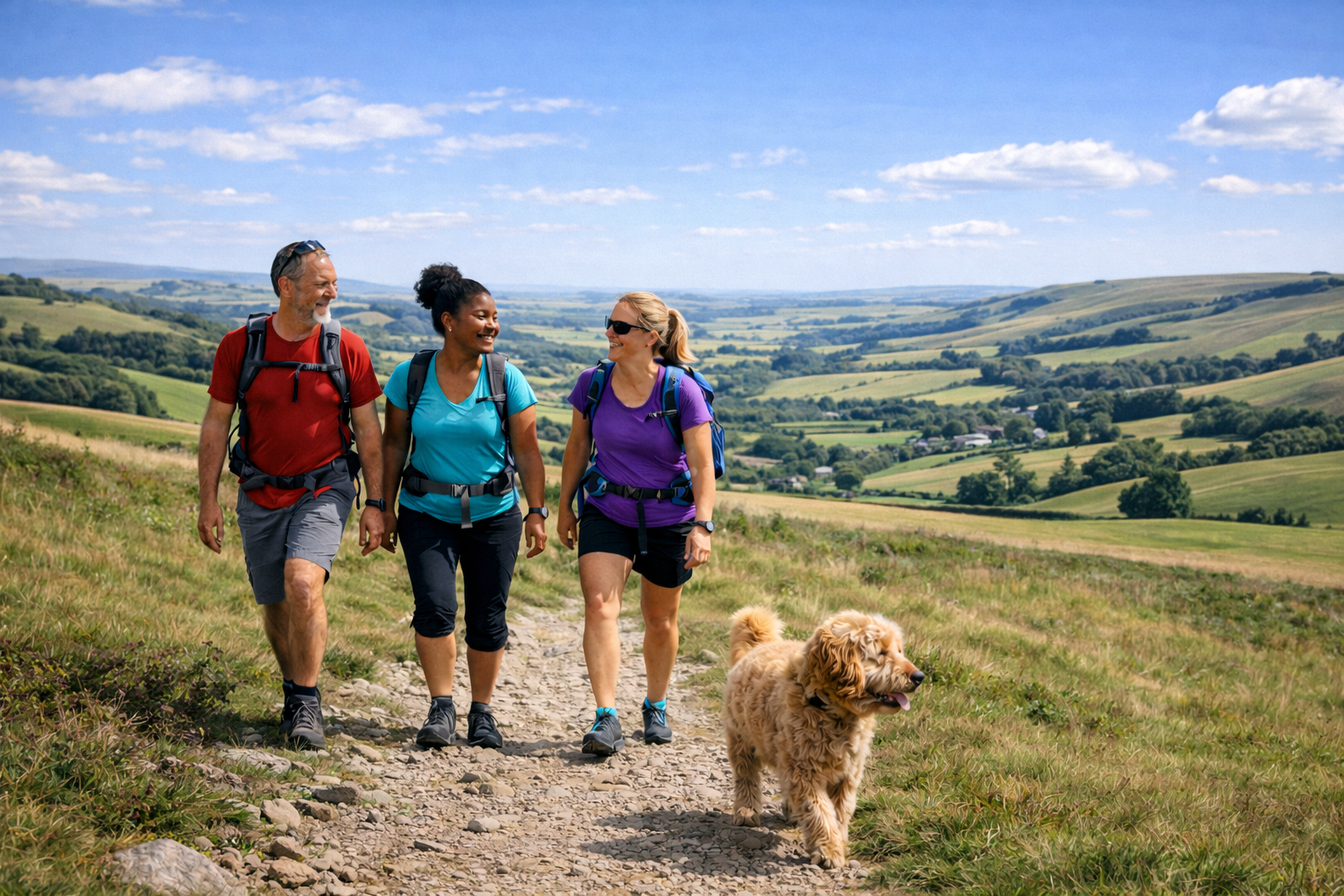
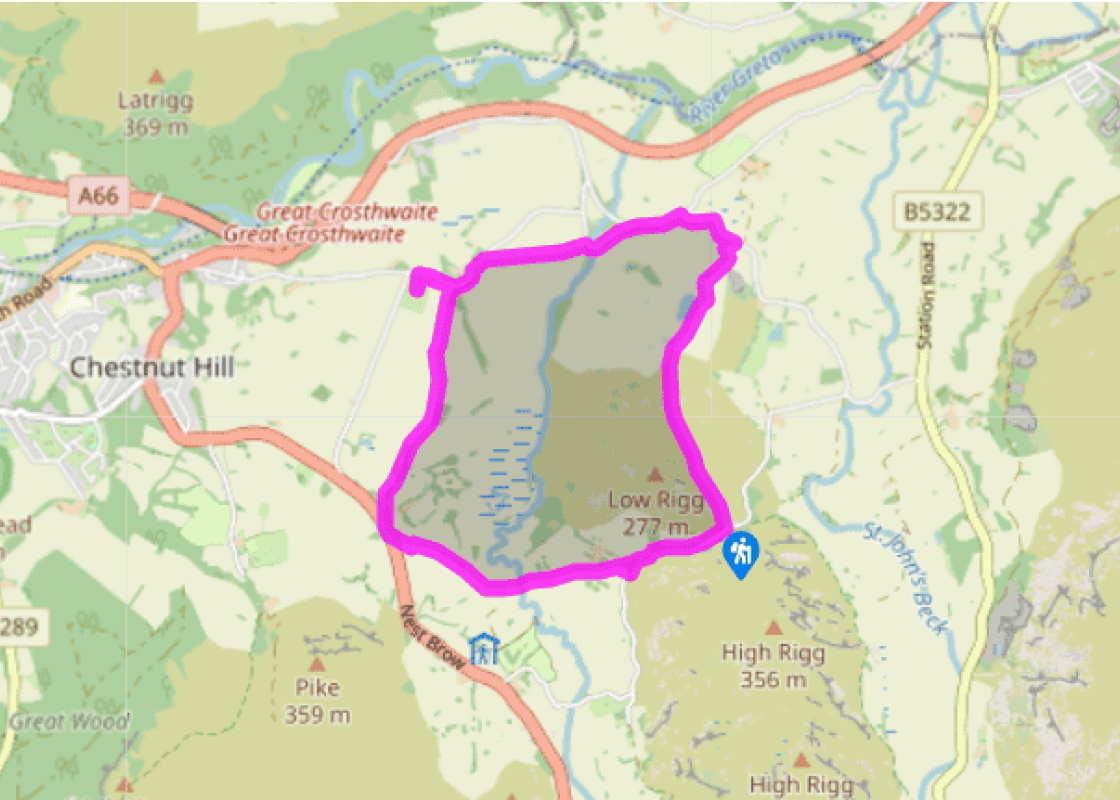
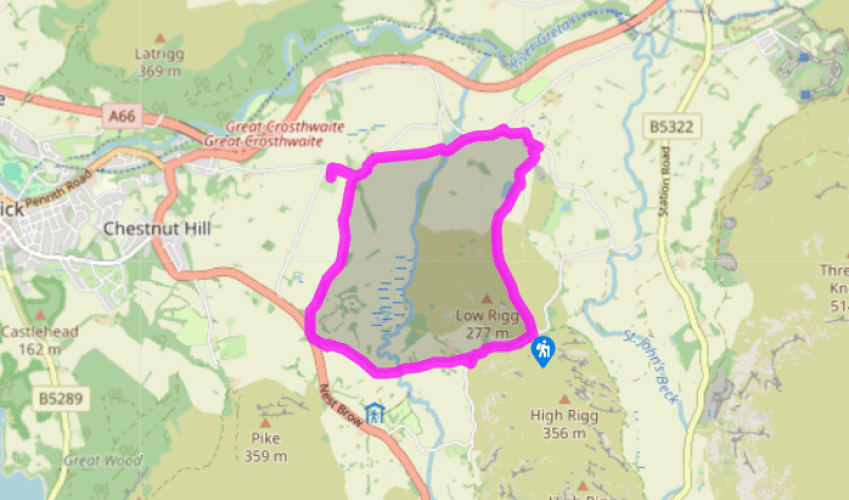
Opposite the church, climb a stile and follow the grassy path straight ahead. Keep right at a faint fork to climb a stile in a wall. The path continues through a grassy gap. Tewet Tarn comes into view ahead and the Castlerigg stone circle can be seen to the left beyond a white building in the distance. A broad grassy swathe leads down a gently sloping boggy area of open ground.
A gate leads you through a fence and, with Blencathra straight ahead, an obvious path continues to the right of the tarn and another gate. The path heads towards rock outcrops, where you turn right. Bear right beside a wall to pick up a faint track that swings downhill into a narrow enclosure.
Drop to a gate in the bottom right-hand corner. Turn left along the road and left again at a T-junction. At the next junction, turn left with the signs to the stone circle and climbing wall. Just after Naddle Bridge, go through the farm gate on the left.
View all directions
Additional information
Terrain
- Grassy paths and tracks, a little road walking, 3 stiles
Landscape
- Fell, fields and open valley
Dog friendliness
- Fields grazed by sheep so dogs should be under control throughout
Parking
- Responsibly around St John's in the Vale Church and the Diocesan Youth Centre. Don't block the turning circle and note there is no onward road beyond here, whatever SatNav might say!
Toilets en route
- None on route, nearest in Keswick (3 miles/4.8km)
About the walk
The stone circle at Castlerigg has been attracting tourists since the 17th century and featured in all the guidebooks that began to make the Lake District a destination from the 18th century onwards. There are 38 stones in a not-quite-round circle, and 10 more in a little grove to one side. Some...
Read more

Been on this walk?
Send us photos or a comment about this route. Or recommend a route of your own.

Walking in Safety
Read our tips to look after yourself and the environment when following this walk.
Get an AA guide
Explore our range of ‘50 Walks in’ guides - they’re the ideal companion for a ramble.
Been on this walk?
Send us photos or a comment about this route. Or recommend a route of your own.
Walking in Safety
Read our tips to look after yourself and the environment when following this walk.
Get an AA guide
Explore our range of ‘50 Walks in’ guides - they’re the ideal companion for a ramble.
About the area
Cumbria's rugged yet beautiful landscape is best known for the Lake District National Park that sits within its boundaries. It’s famous for Lake Windermere, England’s largest lake, and Derwent Water, ‘Queen of the English Lakes', but other lesser-known areas in the south, such as the Lune Valley and the coastal towns, are secret gems of wide cobbled streets and rolling hills.
Nearby places to stay
View all (8)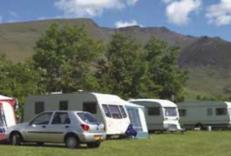
Nearby places to stay
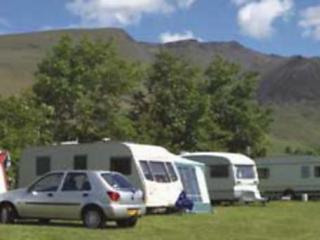
Burns Farm Caravan, Camping & Glamping
Burns Farm Caravan, Camping & Glamping is situated in the heart of Cumbria and is a rural Lakeland site situated on a working farm surrounded by picturesque views. Its location, just th...
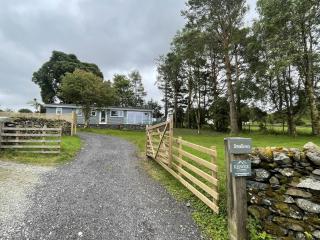
Swallows Lodge
Surrounded by stunning scenery overlooking Derwentwater and its western fells, Swallows Lodge is a peaceful retreat for up to 6 guests and makes a fantastic base for exploring the magni...
Swallows Lodge
Awaiting description....
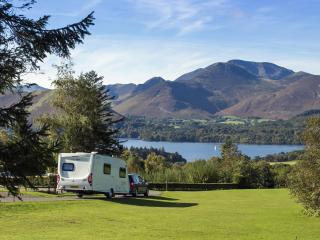
Castlerigg Hall Caravan & Camping Park
Castlerigg Hall is situated in the heart of the Lake District with truly breathtaking views across Derwentwater to Catbells and other well-known Lakeland fells. This really is a superb ...
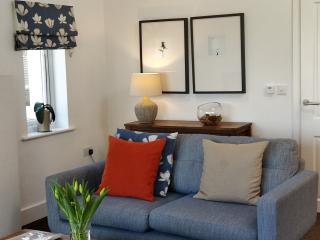
San Ging Holiday Home
San Ging, translating to “Mountain View”, is a contemporary self-catering holiday property situated on the edge of Keswick offering stunning views over Keswick and Bassenthwaite Lake, a...
San Ging
San Ging, translating to “Mountain View”, is a contemporary self-catering holiday property situated on the edge of Keswick offering stunning views over Keswick and Bassenthwaite Lake, a...
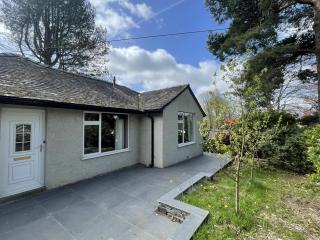
Pinecroft Bungalow
Awaiting description....
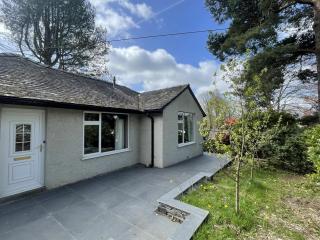
Pinecroft
Awaiting description....
Places to eat nearby View all