Barcombe Mills
Recommended by

Our view
"Walk amid echoes of long gone watermills and along the banks of the winding River Ouse."
Walk directions
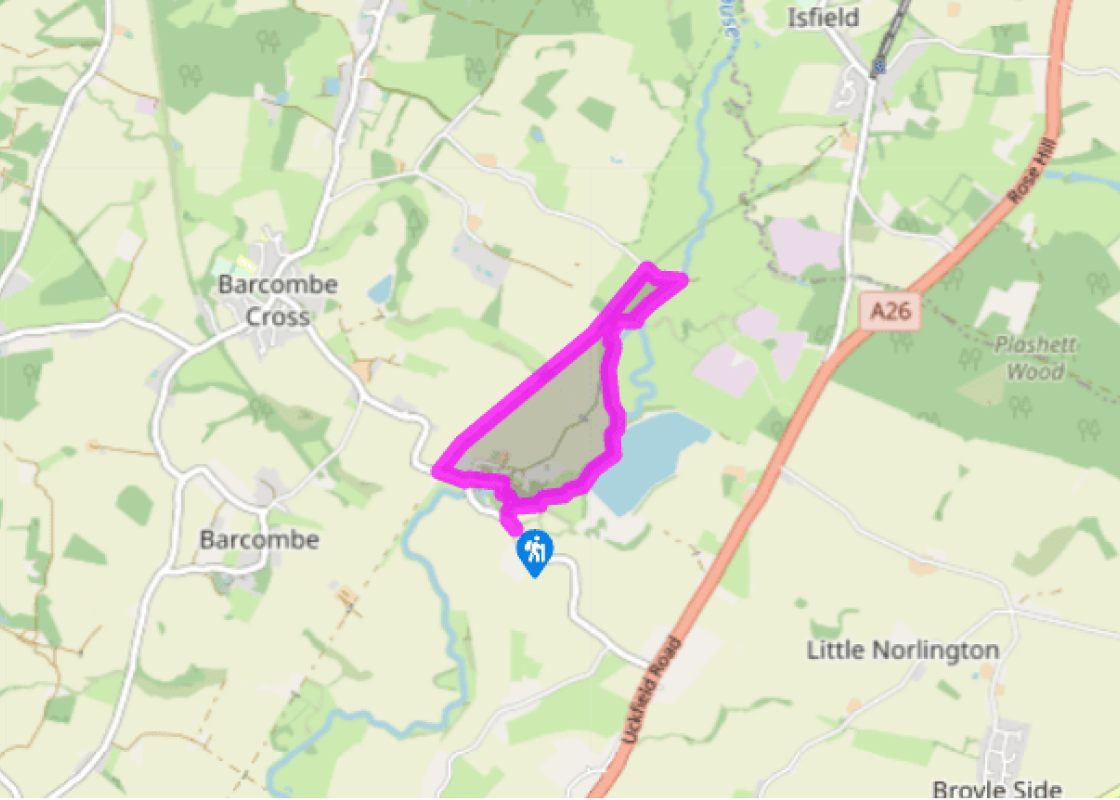
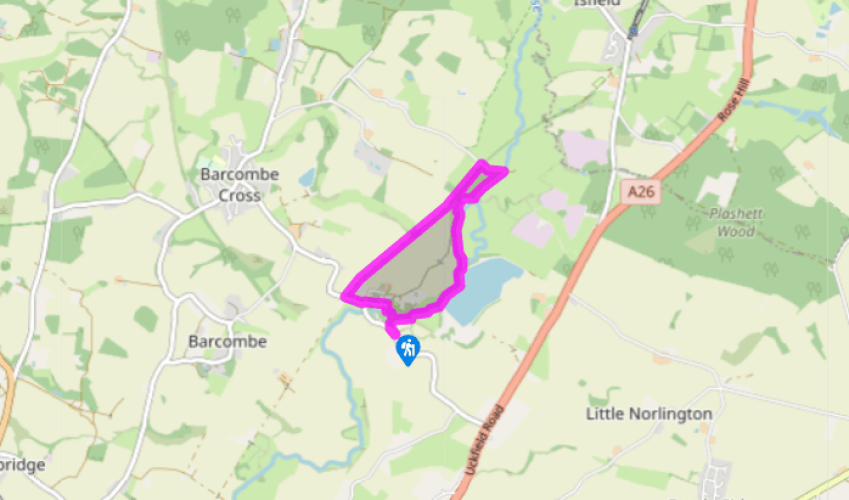
With the road on your left, find the path leaving the car park by an ancient oak to join a lane, where you turn right. Cross three bridges, the third across two sluices. Pass a list of tolls on what is reputed to be Sussex’s first toll bridge, then turn left by houses on a metalled lane. For a few yards at the end this becomes a path.
Continue to the right on rejoining the through road to reach the former buildings of Barcombe railway station.
View all directions
Additional information
Terrain
- Riverside paths, a former railway line trackbed
Landscape
- River banks and the course of a dismantled railway
Dog friendliness
- On lead in livestock fields
Parking
- Car park on Barcombe Mills Road, off A26
Toilets en route
- None on route
About the walk
Apart from the hamlet’s name, the many bridges and the complex water courses at the start of the walk – fast-flowing over weirs or directed powerfully through sluices – give a clue to the fact that there were once very large watermills here. Some channels are millstreams, and some are millraces....
Read more

Been on this walk?
Send us photos or a comment about this route. Or recommend a route of your own.

Walking in Safety
Read our tips to look after yourself and the environment when following this walk.
Get an AA guide
Explore our range of ‘50 Walks in’ guides - they’re the ideal companion for a ramble.
Been on this walk?
Send us photos or a comment about this route. Or recommend a route of your own.
Walking in Safety
Read our tips to look after yourself and the environment when following this walk.
Get an AA guide
Explore our range of ‘50 Walks in’ guides - they’re the ideal companion for a ramble.
About the area
East Sussex is a land of stately homes, castles and the South Downs, with miles of chalk cliffs overlooking the English Channel. For history buffs, there are a great many historic landmarks within Sussex, such as the battlefield where the Battle of Hastings took place, or visitors can enjoy pretty towns such as Lewes, Rye and Uckfield and the city of Brighton.
Nearby places to stay
View all (8)




Nearby places to stay
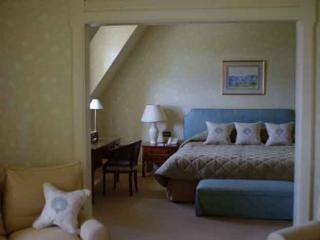
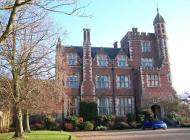
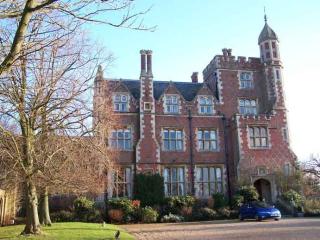
Horsted Place
Horsted Place is one of Britain's finest examples of 19th-century Gothic revivalist architecture, much of which was designed by Augustus Pugin. Situated in extensive landscaped grounds,...
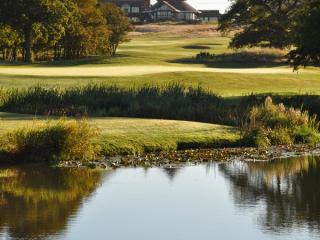
East Sussex National Golf Resort & Spa
East Sussex National Golf Resort & Spa is in a lovely country location and offers a super range of facilities with two golf courses and an impressive leisure suite. In addition, there a...
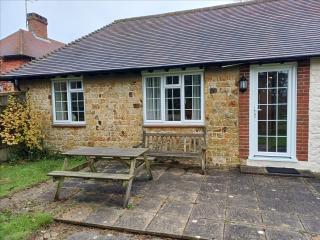
Cedar Cottage
Awaiting description...
White Lion Farm Cottages
White Lion Farm is a 16th-century former coaching inn that has been adapted to create two one-bedroom self-catering cottages. Each has a separate bedroom and bathroom, with well-equippe...
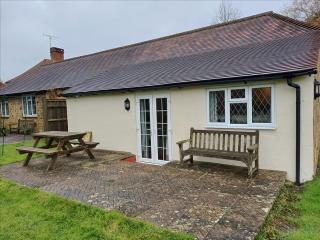
Chestnut Cottage
Awaiting description...
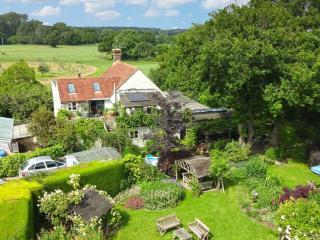
The Jolly Sportsman
The Jolly Sportsman lives in the picturesque village of East Chiltington, and offers a combination of locally sourced food, comfortable accommodation, and a stunning garden bar, all set...
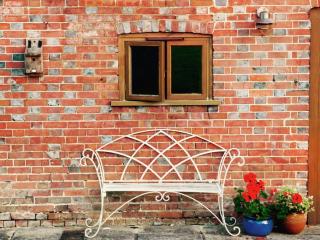
Mallingdown Oast
Beautiful converted Oast House in quiet rural location. Sleeps four in two bedrooms; one twin, one double. Large kitchen/diner, galleried living area. Wi-Fi and Sky TV. Private gard...
Mallingdown Oast
Beautiful converted Oast House in quiet rural location. Sleeps four in two bedrooms; one twin, one double. Large kitchen/diner, galleried living area. Wi-Fi and Sky TV. Private gard...
Places to eat nearby View all