On the South Downs Way to Blackcap
Walk directions
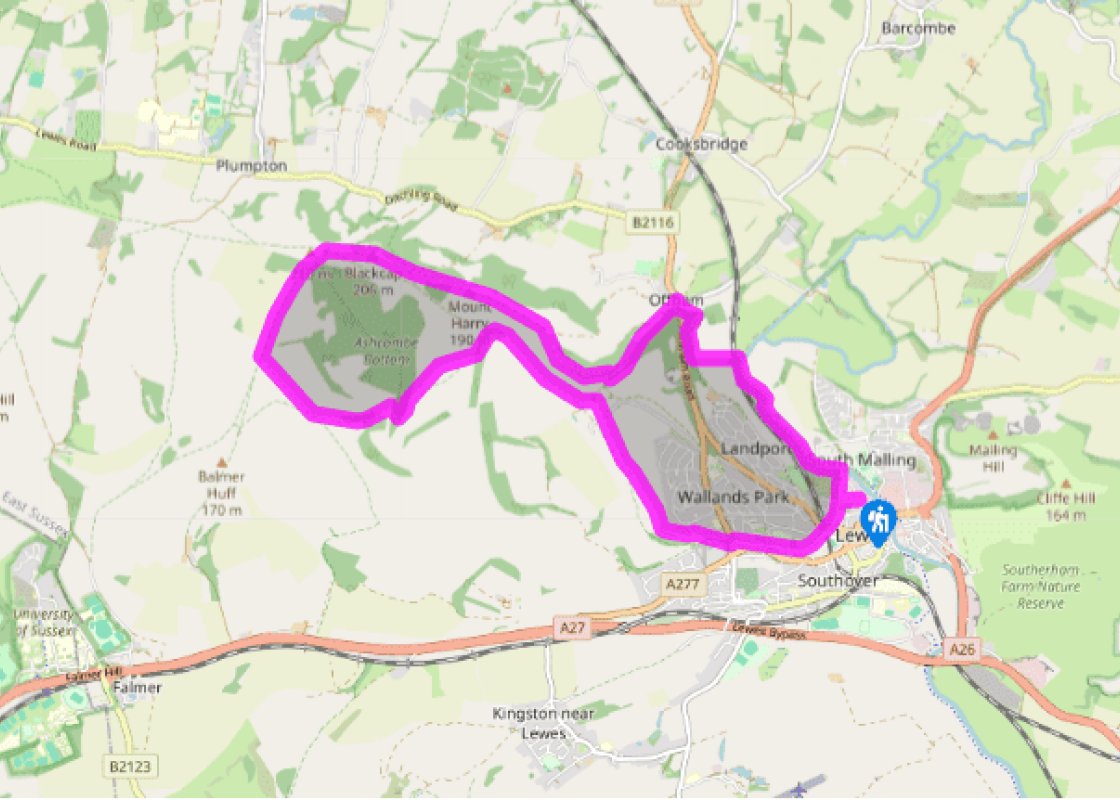
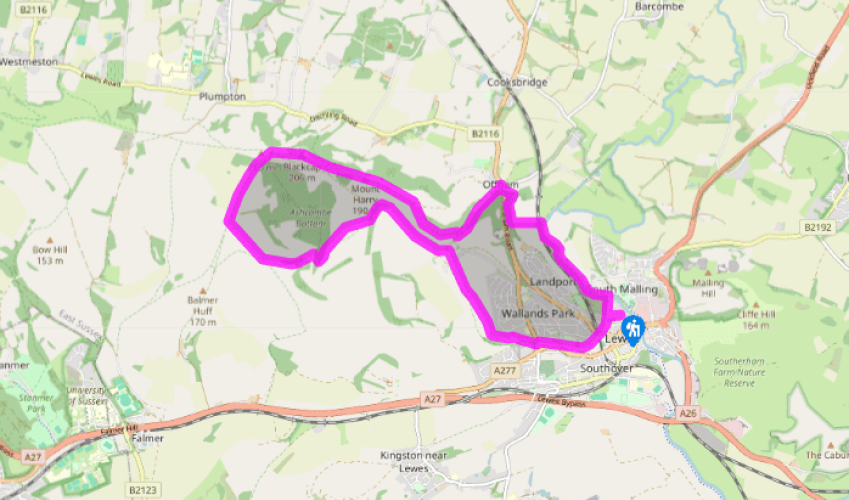
Leave the car park at the bottom corner, by the recycling bins, and follow Brook Street. At the junction with St John’s Hill, turn right beside the L-shaped pond (a former millpond), passing the entrance to the Pells outdoor swimming pool. At the footbridge, do not cross but rather turn left on the Sussex Ouse Valley Way, along the river.
Just after a railway building marked ‘Offham TP Hut’, go through a gate and turn left under the railway bridge. Go along the field edge by a water channel, and through a gate into woods (the site of the foot of the inclined railway). Turn right on the woodland track. Eventually keep to the left of a pylon.
Emerge on the road opposite Offham church, turn left and cross the A275 opposite the Blacksmith’s Arms. Turn left along the pavement, then after the last house (Toll Cottage) turn right into woodland, immediately forking right. The track rises steadily.
At the next waymarker go through the gate on the right (leaving the track) and follow blue arrow markers through the woodland, eventually rising to an open strip up on the left, along the edge of the woods. On emerging onto downland, go forward, keeping to the left of the nearest pylon, and pick up a path, through a gate and forking left up to the fire beacon on Mount Harry. Go along the top of the escarpment to the trig point on Blackcap, then carry on.
Just beyond a gate, turn left onto the South Downs Way. After a gate, fork left at a signpost. At the end of the field, between two gates, leave the South Downs Way by bearing half left along a fence on your right. At the fence corner carry on down, on a grassy path, to descend into Ashcombe Bottom.
Cross over the track and take the rising path half right opposite. Enter a field and turn left along the edge to a gateway, then half right to a gate on the skyline (to the right of the rightmost pylon). Carry on half right, eventually reaching a gate into woodland. Turn left.
Turn right at a T-junction with a chalky track. Descend past gallops and stables of the former Lewes racecourse. Keep ahead through a gate near the buildings, on a hard track which becomes a lane. Where this turns left, go ahead on the bridleway on the left side of a hedge. Ignore cross-tracks and follow this for 1 mile (1.6km).
At a T-junction near buildings, turn left, past the wall of Lewes Prison. Cross the A275, take De Montfort Road ahead, then walk down Paddock Lane. At the end cross by the Elephant and Castle pub, and go down St John’s Terrace (which becomes St John’s Hill), turning right at the bottom to reach the car park.
Additional information
Terrain
- Footpaths and downland tracks
Landscape
- River banks, woodland, downland
Dog friendliness
- Lead required where sheep are grazing and in town
Parking
- Brook Street pay-and-display car park, off North Street
Toilets en route
- Several in Lewes
About the walk
The South Downs National Park encompasses Lewes, the largest town within a national park in England and Wales. The placid river scenery of the Ouse just north of the town and the Downs immediately outside create an abrupt transition into deep countryside. From the river you look towards Hamsey’s... remote medieval church, on a tiny hillock. Later, from the Downs, you’ll see Ashcombe Windmill, an exact replica of a six-sailed mill that blew down in 1916. You’ll also pass close to the site of the 1264 Battle of Lewes, in which the rebellious Simon de Montfort defeated Henry III’s men, leading to the beginnings of modern Parliament. As you leave the river you’ll see great chalk cliffs that are the result of quarrying activity for a chalkpit that was in operation from 1809 to 1880. Four lime kilns processed chalk into lime, which was used for a variety of purposes, including agricultural fertiliser. For the pit’s first 62 years of operation, lime was transported by an ingenious method: a funicular railway operated by gravity. Trucks were loaded with chalk at the quarry, then let down a steeply inclined plane, with the weight of the laden carriages providing haulage for the empty ones that were on their way up to the top, where a large wheel at the top had a braking mechanism. At the foot of the slope, lime was unloaded at a canal (the watery ditch you follow from the river to the woodland), for shipping along the Ouse. The offices of the pit are now the Chalk Pit pub, and two kiln arches survive in the car park, together with the entrance to the railway tunnel beneath the A275. The walk passes by what was one of the most scenic racecourses in the country, attracting crowds of up to 6,000 until its final demise in the 1960s. The Prince of Wales, the future George IV, is known to have attended races here, and the first such recorded event at Lewes was back in 1751, although a map of 1724 shows a ‘horse course’ on the site. Today the houses and buildings here incorporate the former grandstand, but racehorses are still trained on the Downs around here.
Read more
Been on this walk?
Send us photos or a comment about this route. Or recommend a route of your own.
Walking in Safety
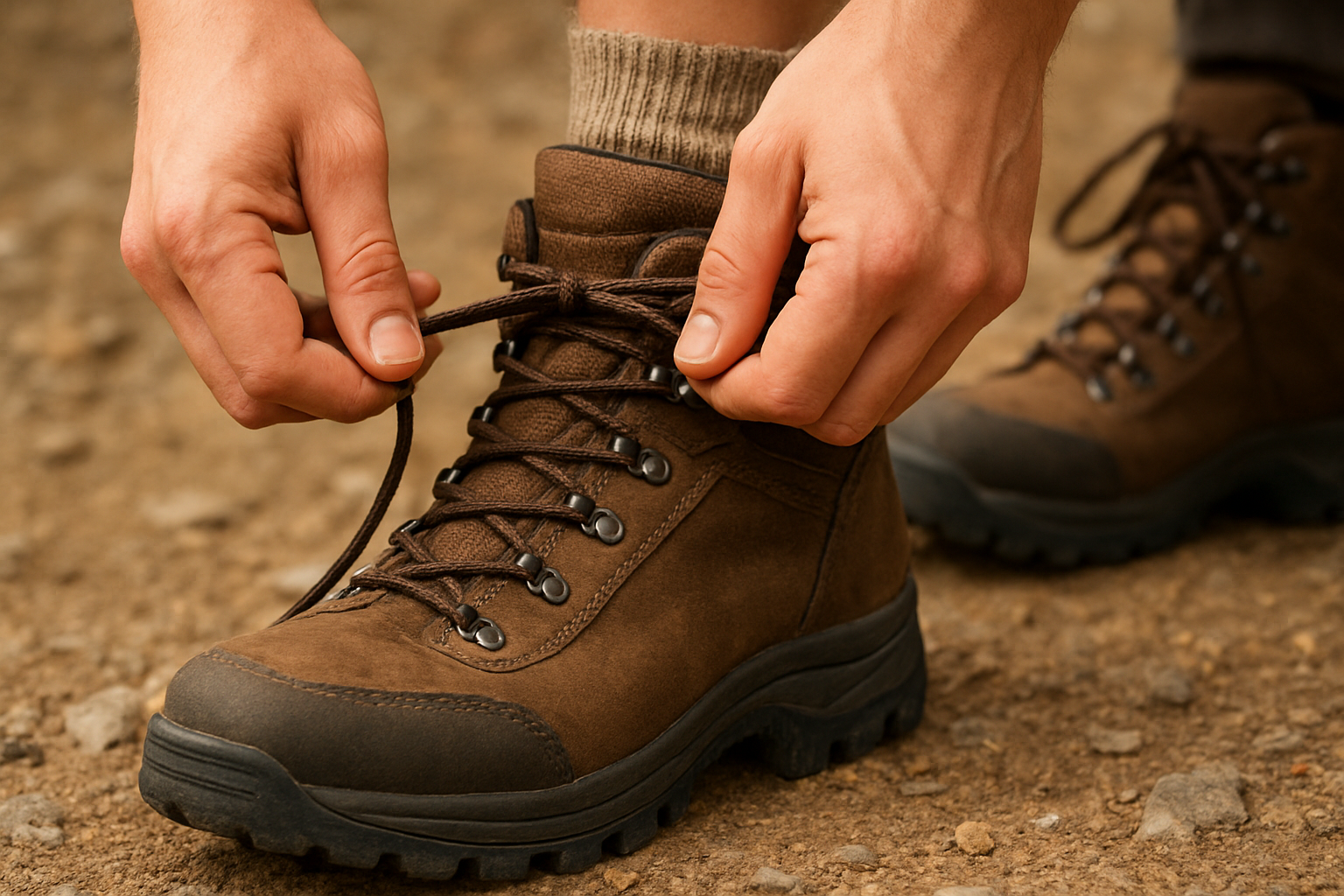
Read our tips to look after yourself and the environment when following this walk.
Get an AA guide
Explore our range of ‘50 Walks in’ guides - they’re the ideal companion for a ramble.
Been on this walk?
Send us photos or a comment about this route. Or recommend a route of your own.
Walking in Safety
Read our tips to look after yourself and the environment when following this walk.
Get an AA guide
Explore our range of ‘50 Walks in’ guides - they’re the ideal companion for a ramble.
About the area
East Sussex is a land of stately homes, castles and the South Downs, with miles of chalk cliffs overlooking the English Channel. For history buffs, there are a great many historic landmarks within Sussex, such as the battlefield where the Battle of Hastings took place, or visitors can enjoy pretty towns such as Lewes, Rye and Uckfield and the city of Brighton.
Nearby places to stay
View all (8)

Restaurant with Rooms
The Jolly Sportsman
★★★★
"A lovely country restaurant with comfortable rooms and a warm welcome...."
Self-Catering
White Lion Farm Cottages
★★★
"Adapted 16th-century former coaching inn with fishing lakes in the grounds...."
- Total units: 2
Nearby places to stay
The Jolly Sportsman
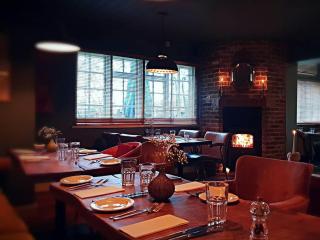
The Jolly Sportsman lives in the picturesque village of East Chiltington, and offers a combination of locally sourced food, comfortable accommodation, and a stunning garden bar, all set...
★★★★ Rating
White Lion Farm Cottages
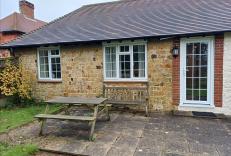
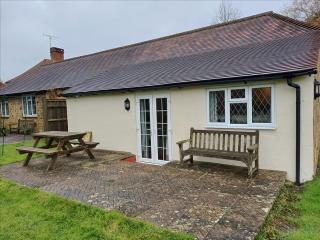
White Lion Farm is a 16th-century former coaching inn that has been adapted to create two one-bedroom self-catering cottages. Each has a separate bedroom and bathroom, with well-equippe...
★★★ Rating
Cedar Cottage
Awaiting description...
★★★ Rating
Chestnut Cottage
Awaiting description...
★★★ Rating
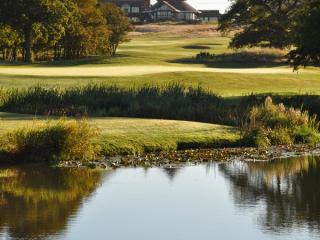
East Sussex National Golf Resort & Spa
East Sussex National Golf Resort & Spa is in a lovely country location and offers a super range of facilities with two golf courses and an impressive leisure suite. In addition, there a...
★★★★ Rating
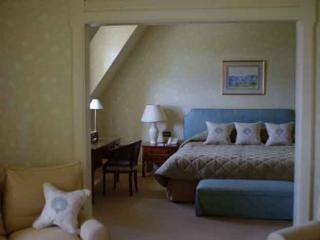
Horsted Place
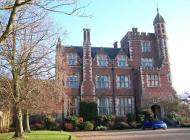
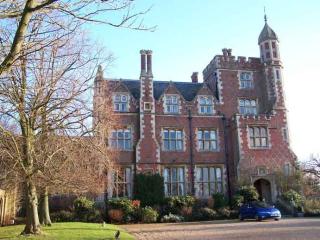
Horsted Place is one of Britain's finest examples of 19th-century Gothic revivalist architecture, much of which was designed by Augustus Pugin. Situated in extensive landscaped grounds,...
★★★★ Rating
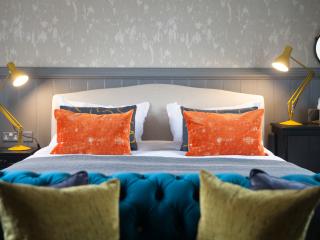
Bull, Ditchling
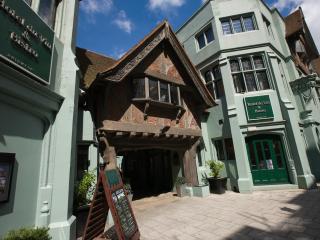
Dating back to 1563, The Bull is one of the oldest buildings in this famously pretty Sussex village. First used as an overnight resting place for travelling monks, the inn has also serv...
★★★★★ Rating
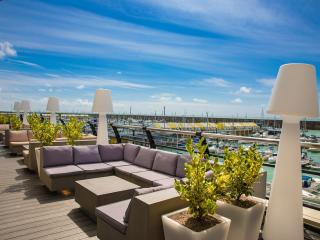
Malmaison Brighton
Overlooking the waterfront at Brighton Marina, the stylish Malmaison Brighton offers a good number of contemporary sea-facing rooms with balconies, terraces and air conditioning. The po...
★★★★ Rating