Caernarfon Castle
Recommended by


Overview
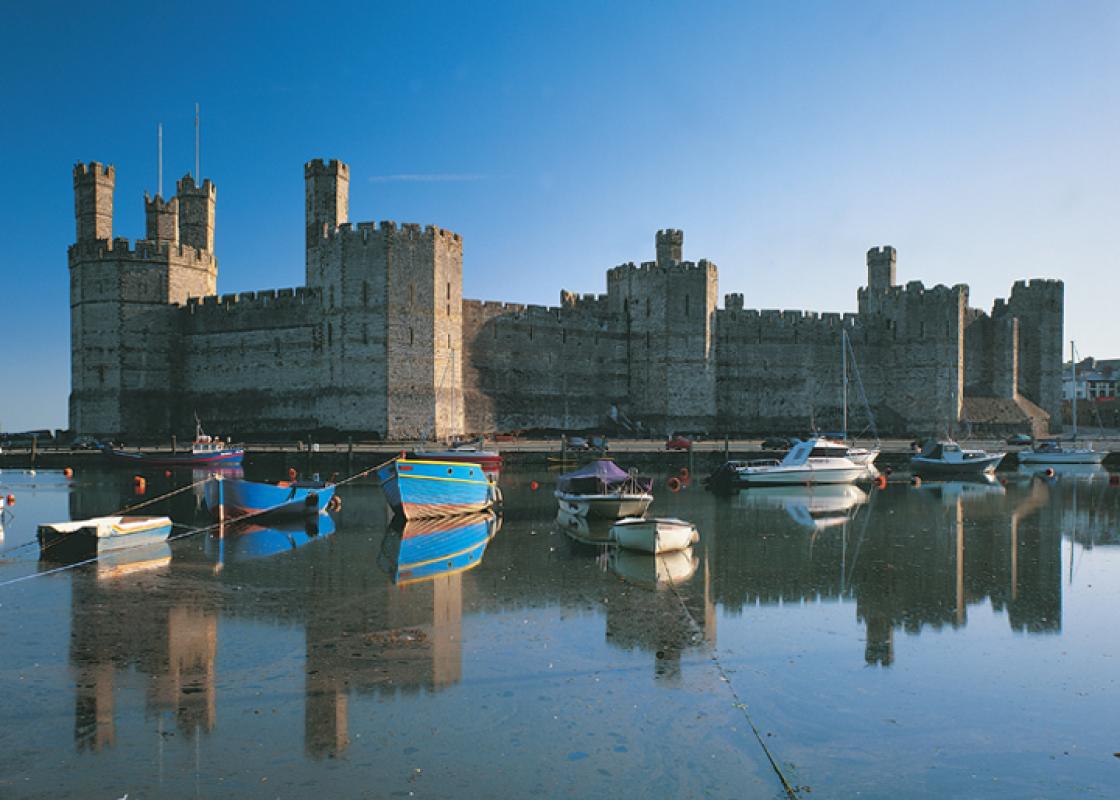
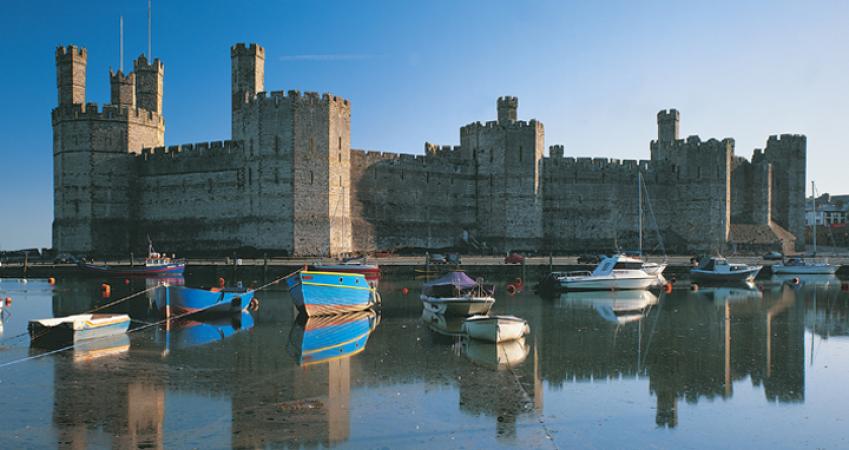
In 1282, Llewelyn ap Gruffydd, the last native Prince of Wales, was killed in an ambush, and Welsh resistance to English occupation began to crumble. The victorious Edward I offered the Welsh a prince who was born in Wales, could speak no word of English, and whose life and reputation no one would be able to stain. He had in mind his infant son, later Edward II, who became the first English Prince of Wales. Edward was invested in Wales in 1301, and the tradition has continued ever since. In 1969, Prince Charles was invested as the current Prince of Wales in Caernarfon’s courtyard, watched by a worldwide television audience of millions. Building of the castle started in 1283, but a decade later the unfinished fortress was attacked during a Welsh rebellion, and considerable damage was done. Believing he couldn’t trust the locals, Edward press-ganged English craftsmen and labourers to rebuild, creating what still remains the grandest and most impressive of all the Welsh castles. Edward intended his castle not only as a fortress, but also the seat of his government in Wales and his own official residence there. Caernarfon Castle is shaped like an hourglass. Great walls with stones in banded colours (inspired by the walls of Constantinople, which Edward admired while on a crusade) run between the great towers, topped by battlemented wall-walks. The defences of the castle were formidable. In order to gain access to the courtyard, visitors were obliged to cross two drawbridges, pass through five heavy doors and walk under six portcullises. A range of arrow slits and murder holes, through which an unpleasant array of deadly missiles could be hurled down onto unwelcome guests, protected the entire way.
Features
- Opening Times
- Open all year
- Opening Times: Open all year, daily Mar-Jun & Sep-Oct, 9.30-5; Jul-Aug, 9.30-6; Nov-Feb, Mon-Sat 10-4, Sun 11-4 (last admission 30mins before close). Closed 24-26 Dec & 1 Jan
- Facilities
- Parking nearby
About the area
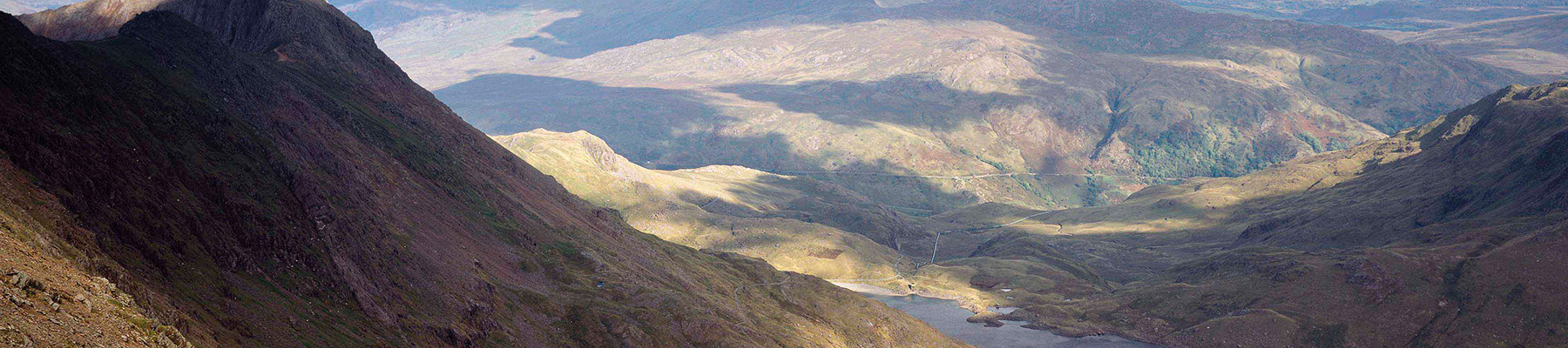
The county of Gwynedd is home to most of the Snowdonia National Park – including the wettest spot in Britain, an arête running up to Snowdon’s summit that receives an average annual rainfall of 4,473mm. With its mighty peaks, rivers and strong Welsh heritage (it has the highest proportion of Welsh-speakers in all of Wales), it’s always been an extremely popular place to visit and live.
Places to eat nearby View all




Nearby places to stay
View all (8)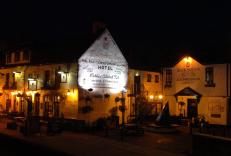





Nearby places to stay
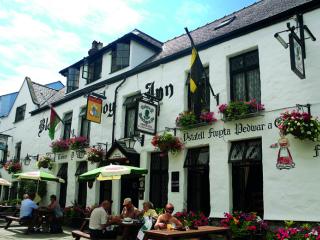
Black Boy Inn
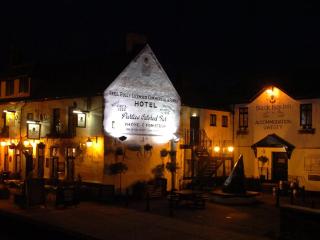
Located within Caernarfon's historic town walls, Black Boy Inn, a fine 16th-century inn, has low ceilings, narrow staircases and thick wooden beams originally from old ships. It is one ...
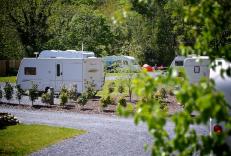
Riverside Camping
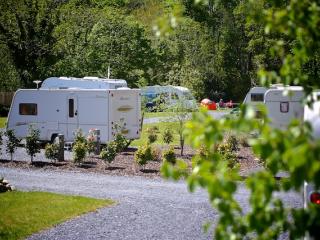
Set in the grounds of a former garden centre and enjoying a superb location along the River Seiont, Riverside Camping is approached by an impressive tree-lined drive. Immaculately maint...
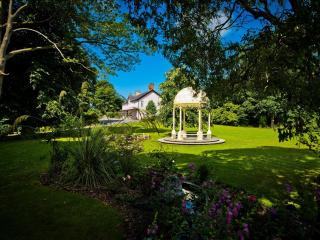
Plas Dinas Country House
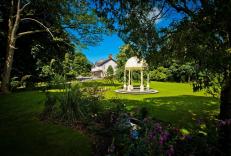
Plas Dinas Country House nestles between the Snowdonia mountains and the Irish Sea. It's an idyllic setting with stunning views. Located in beautiful grounds, this delightful Grade-II l...
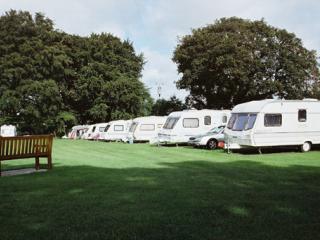
Plas Gwyn Caravan & Camping Park
A secluded park in an ideal location for visiting the glorious nearby beaches, historic Caernarfon, the attractions of Snowdonia and for walking opportunities. The site is set within th...
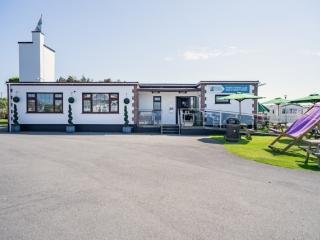
White Tower Holiday Park
There are lovely views of Snowdonia from this park that is located just two miles from the beach at Dinas Dinlle. A very well maintained, quality amenity block provides good privacy opt...
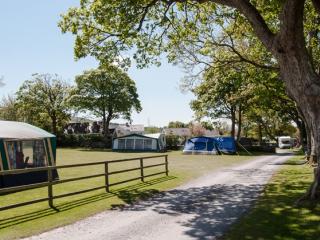
Llys Derwen Caravan & Camping Site
Enjoy the adventure of a lifetime in Snowdonia North Wales. Nestled in the scenic embrace of Mount Snowdon (Yr Wyddfa), the award winning Llys Derwen Caravan & Campsite Snowdon is an id...
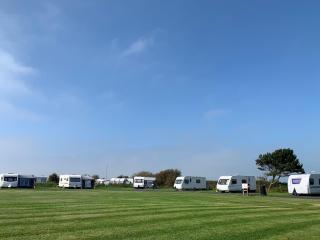
Dinlle Caravan Park
A very accessible site adjacent to a sandy beach and with great views towards Snowdonia. Landscaping is particularly impressive with a colourful display of both cultivated and indigenou...
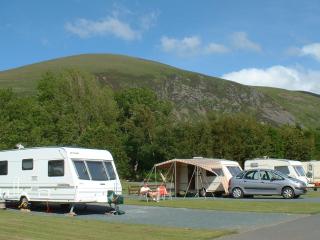
Bryn Gloch Caravan & Camping Park
Set beside the River Gwyrfai, Bryn Gloch offers shepherd's huts, static caravans and touring pitches in the heart of beautiful Snowdonia (Eryri). The park offers the best of two worlds,...