Cors Erddreiniog National Nature Reserve
Recommended by


Overview
Cors Erddreiniog NNR is the largest of the Anglesey fens, located 3 miles west of Benllech on the northeast of the island, between the villages of Capel Coch and Brynteg. The reserve is of international importance due to the rarity of this type of wetland, and because of the huge range of wildlife to which it plays host. The area is home to many specialised plants like the fly orchid and the carnivorous sundew, and it also hosts a rich population of insects, especially butterflies, moths, damselflies and dragonflies. Butterflies include the rare marsh fritillary, one of the UK’s most threatened species. The fen also attracts a wide variety of birds and, in winter, you may see hunting hen harriers, or gatherings of lapwings. During the summer, birds such as willow tit can be seen, and, if you’re lucky, grasshopper warblers. Animals include toads, adders, otters, brown hares and water voles.
About the area
Some of the oldest rocks in Britain form the 125-mile coastline of the 85 square mile Anglesey Area of Outstanding Natural Beauty, which includes Holy Island with its busy port of Holyhead, the terminus for the Dublin ferry. The terrain inland is mainly a fertile plateau worn flat by the action of the sea, with low ridges and shallow valleys, while the sheer limestone cliffs of the east coast and on the north coast at Holyhead Mountain represent some of the most spectacular sea cliffs in Britain.
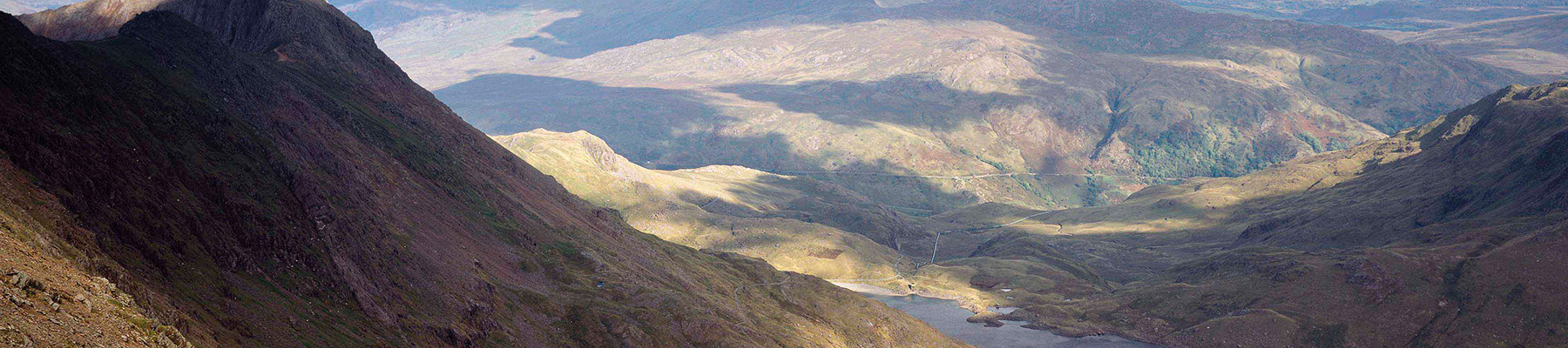
Places to eat nearby View all






Nearby places to stay
View all (8)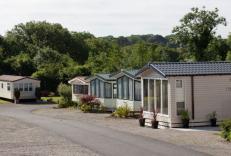

Caravan & Camping
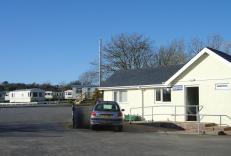
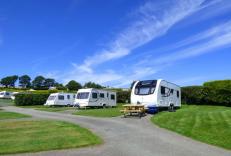
Tyddyn Isaf Caravan Park

- Launderette
- Ice pack facility
- Cafe/Restaurant
- Picnic Area
Nearby places to stay
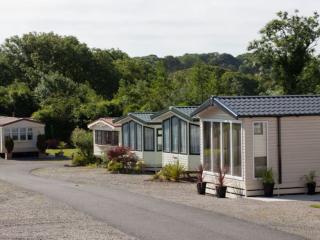
Home Farm Caravan Park
A first-class park run with passion and enthusiasm, set in an elevated and secluded position sheltered by trees, and with good planting and landscaping. The peaceful rural setting affor...
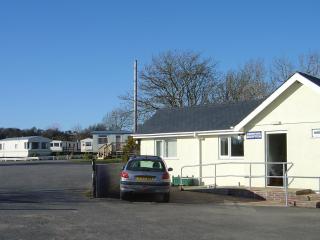
Ty'n Rhos Caravan Park
A family park close to the beautiful beach at Lligwy Bay and cliff walks along the Heritage Coast, and historic Din Lligwy and the shops at picturesque Moelfre are nearby. All the touri...
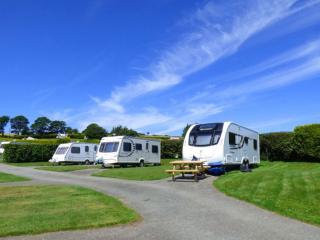
Tyddyn Isaf Caravan Park
Tyddyn Isaf Caravan Park is a beautifully situated, spacious family park on rising ground adjacent to a sandy beach with magnificent views overlooking Lligwy Bay; a private footpath lea...
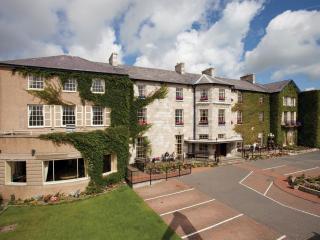
The Bulkeley Hotel
A Grade I listed hotel built in 1832, The Bulkeley is just 100 yards from the 13th-century Beaumaris Castle in the centre of town. Friendly staff create a relaxed atmosphere. Refreshmen...
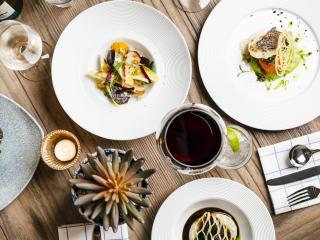
Sandy Mount House
Sandy Mount House is a beach house restaurant and bar in the relaxed seaside village of Rhosneigr in Anglesey. The whole operation is both smart and friendly, offering a superb mix of c...
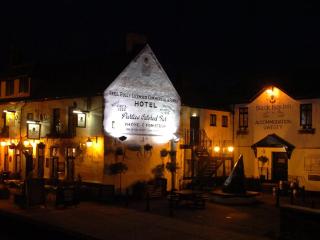
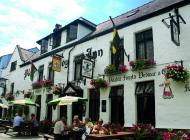
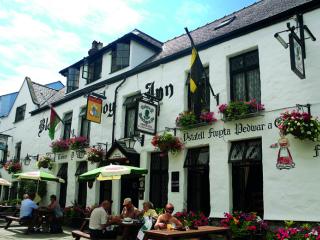
Black Boy Inn
Located within Caernarfon's historic town walls, Black Boy Inn, a fine 16th-century inn, has low ceilings, narrow staircases and thick wooden beams originally from old ships. It is one ...
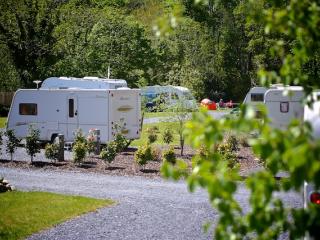
Riverside Camping
Set in the grounds of a former garden centre and enjoying a superb location along the River Seiont, Riverside Camping is approached by an impressive tree-lined drive. Immaculately maint...
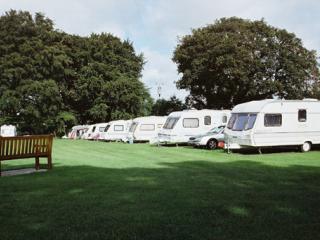
Plas Gwyn Caravan & Camping Park
A secluded park in an ideal location for visiting the glorious nearby beaches, historic Caernarfon, the attractions of Snowdonia and for walking opportunities. The site is set within th...