Upwood Meadows National Nature Reserve
Recommended by


Overview
Upwood Meadows NNR consists of three flower-filled fields lying on poorly drained clay on the edge of the Huntingdonshire fens. The largest field, Bentley Meadow, has never been fertilised or sprayed and is therefore the richest in plant and insect life. Designated an NNR for its floral diversity, Upwood’s greatest display is in Bentley Meadow, where medieval ridge-and-furrow and the many anthills provide microhabitats for plants and insects. Plants including cowslip, green-winged orchid, saw-wort, dropwort, sulphur clover and Dyer’s greenweed provide summer-long colour and sources of nectar for the numerous bees and butterflies. The surrounding mature hedgerows and veteran trees provide nesting habitats for birds including turtle dove, blackcap and whitethroat, and food for winter visitors such as fieldfare and redwing. Dew ponds dug in each field originally for watering livestock are now breeding grounds for great crested newts, dragonflies and damselflies.
About the area
To the west of East Anglia is Cambridgeshire, a county best known as the home to the university that makes up the second half of ‘Oxbridge’ (the other half is Oxford). As well as its globally renowned educational credentials, it also has a rich natural history; much of its area is made up of reclaimed or untouched fens.

Nearby places to stay
View all (8)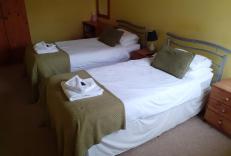


Caravan & Camping
Huntingdon Boathaven & Caravan Park

- Ice pack facility
- Picnic Area
- Wifi available
- Calor Gas
Nearby places to stay
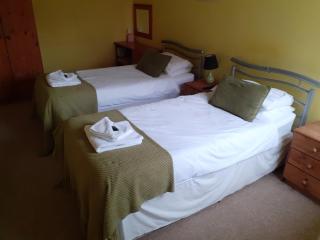
The Falcons Nest
The Falcons Nest is set in the tranquil and relaxing grounds of the Raptor Foundation, a bird of prey sanctuary. The Nest is disabled friendly, including one of the eight rooms. Breakfa...
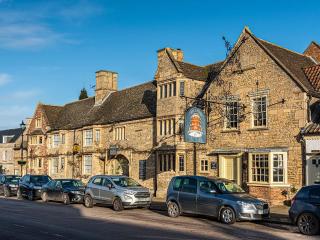
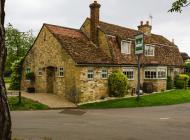
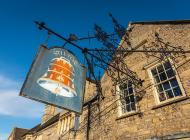
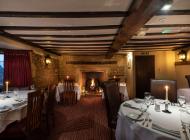
The Bell Inn
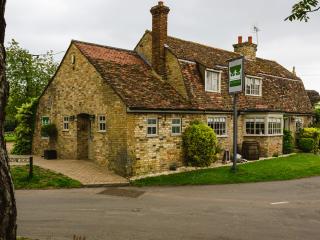
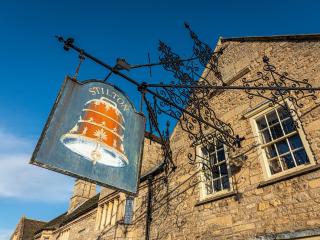
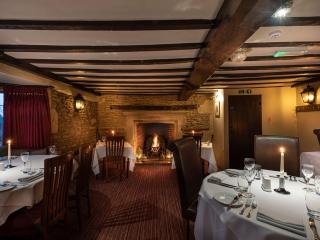
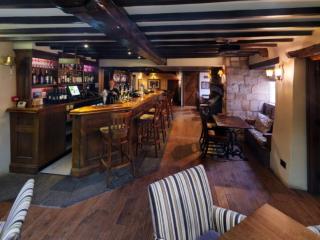
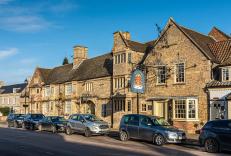
This delightful 17th century inn is steeped in history and retains many original features, with quality food served in both the characterful village bar/brasserie and the elegant beamed...
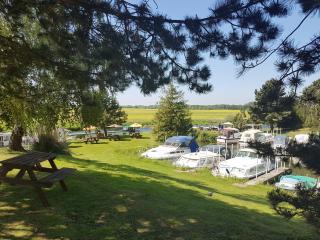
Huntingdon Boathaven & Caravan Park
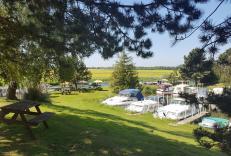
The enthusiastic owners are gradually upgrading this well laid out site overlooking a boat marina and the River Ouse, set close to the A14 and within walking distance of Huntingdon town...
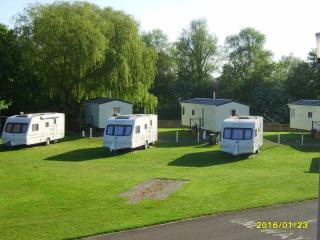
Quiet Waters Caravan Park
Quiet Waters Caravan Park is a family run riverside park in the centre of a picturesque village. Ideal for visiting Cambridge, only 13 miles away, and local markets towns all within 5 m...
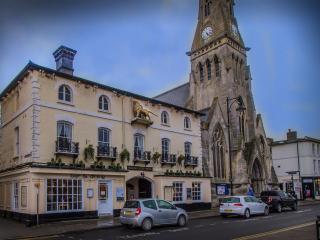
Golden Lion
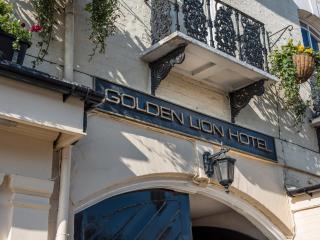
The Golden Lion is at the heart of historic St Ives, where markets are held every Monday and Friday. The original coaching inn dates back to the 19th century, but has been tastefully re...
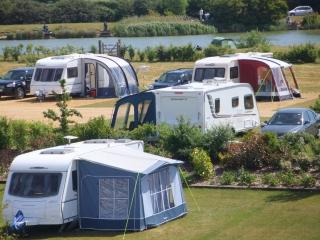
Fields End Water Caravan Park & Fishery
This meticulously planned and well-executed park makes excellent use of its slightly elevated position in The Fens. The 80 fully serviced pitches, all with very generous hardstandings, ...
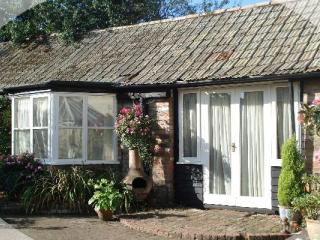
The Blue Cow
The Blue Cow offer accommodation in a luxurious, self-contained, converted stables, where you can enjoy a delicious in-house breakfast of your choice at a time that suits you. Situated ...
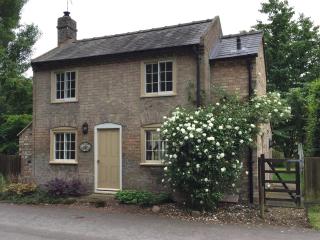
The Old Post Office
The Old Post Office Hilton is self-contained, in the grounds of Hilton Hall, close to Papworth Everard and Cambridge. A delightful one-bedroom gem with every amenity and comfort, plent...