Rostherne Mere National Nature Reserve
Recommended by


Overview
Rostherne NNR is the largest and deepest of the Cheshire meres, with the original basin deepened by salt subsidence. The reserve is of primary importance for its wintering wildfowl populations, particularly pochard. Mallard, teal, pintail and shoveler are also regular visitors and in winter ruddy duck, gadwall and goosander often visit the site. The surrounding reed beds support a large breeding population of reed warblers and the rare, booming bittern is also a regular visitor during the winter months. Birds of the surrounding woods include all three native woodpecker species together with tawny owl, sparrowhawk and kestrel. The scrub areas provide a home to summer migrants, such as reed bunting, willow warblers and whitethroat. After being absent for many years, the otter has returned, and the reserve also supports a population of harvest mice, which are rare in Cheshire. Insect species at Rostherne include a number of butterfly species, most notably the white-letter hairstreak, purple hairstreak and common blue.
About the area
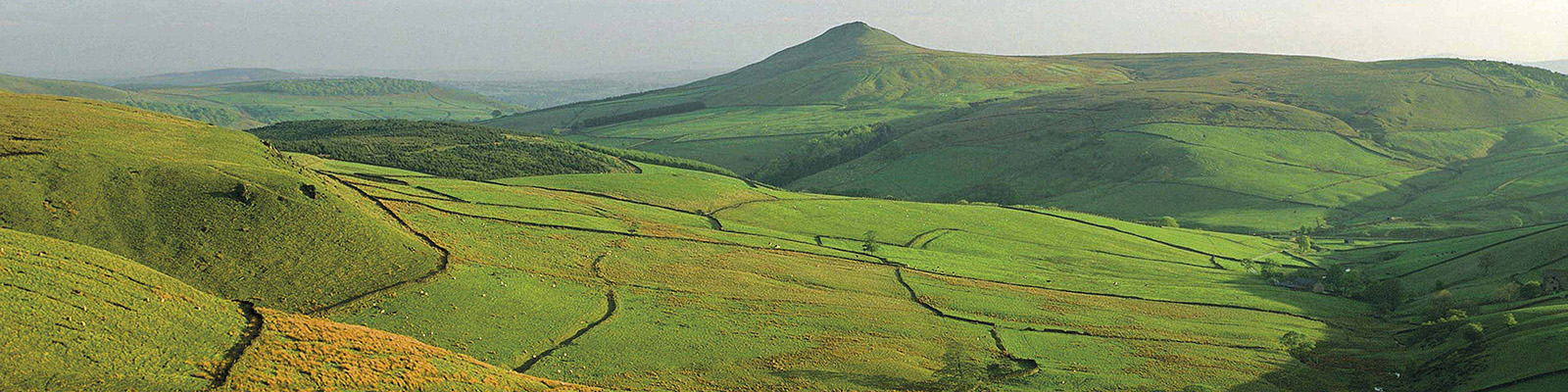
Nestled between the Welsh hills and Derbyshire Peaks, the Cheshire plains make an ideal location to take things slow and mess around in boats. Cheshire has more than 200 miles (302 km) of man-made waterways, more than any other county in England.
Places to eat nearby View all



Nearby places to stay
View all (8)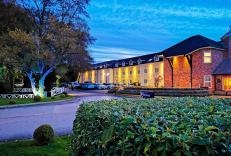





Nearby places to stay
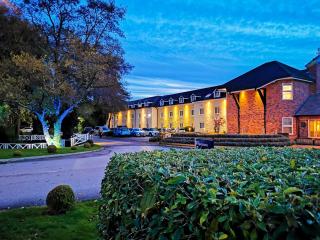
Cottons Hotel & Spa
A quiet but accessible location in the heart of Cheshire is a key draw for the modern Cottons Hotel and Spa. It is an ideal base for nipping into Manchester or exploring the surrounding...
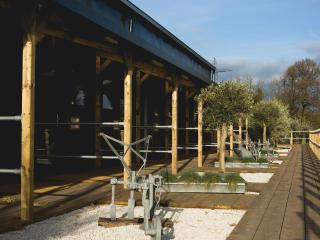
Owen House Farm
Owen House Farm, as the name suggests, is a working farm which is being converted to a stunning wedding venue in the heart of the Cheshire countryside – though you don't have to be at a...
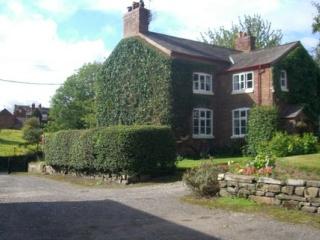
Ash Farm Country House
A warm welcome is guaranteed at this charming 18th-century National Trust farmhouse which enjoys a peaceful location along a quiet country lane. The bedrooms are attractively presented ...
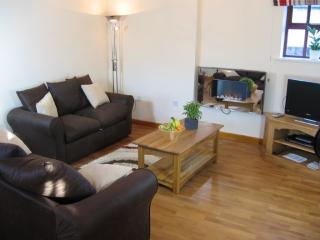
Broomedge Farm Cottages
Broomedge Farm Cottages are well-appointed holiday homes located on a quiet farm near Lymm in the Cheshire countryside and only half an hour from central Manchester. Less than ten minut...
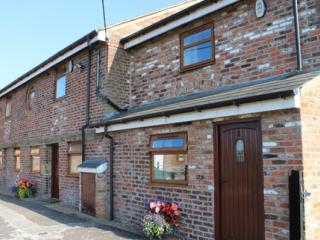
Fir Tree Barn Cottage
Mike and Carole welcome you to rural Cheshire and invite you to stay on their working farm in one of three exclusive barn conversion self-catering cottages. The spacious cottages have b...
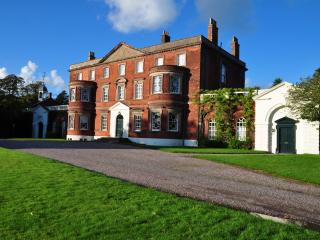
Belmont Camping
Part of a small country estate in Great Budworth, and under five miles from Northwich, a long meandering drive with a fine display of mature trees and fishing lakes is the approach to t...
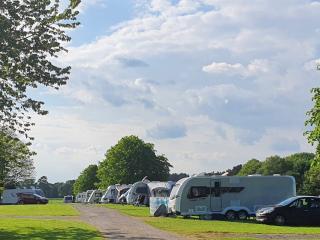
Capesthorne Hall
Located within the grounds of the notable Jacobean Capesthorne Hall, this lush, all level site provides generously sized pitches, all with electricity and most with hardstandings. The S...
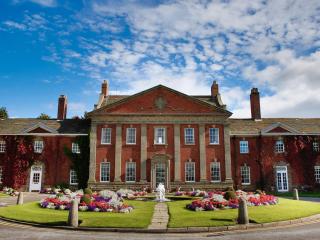
Mottram Hall
Set in 272 acres of some of Cheshire's most beautiful parkland, this 18th-century Georgian country house is certainly an idyllic retreat. The hotel boasts extensive leisure facilities, ...