Lydden Temple Ewell National Nature Reserve
Recommended by


Overview
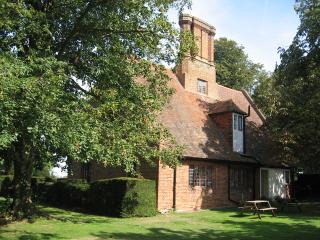
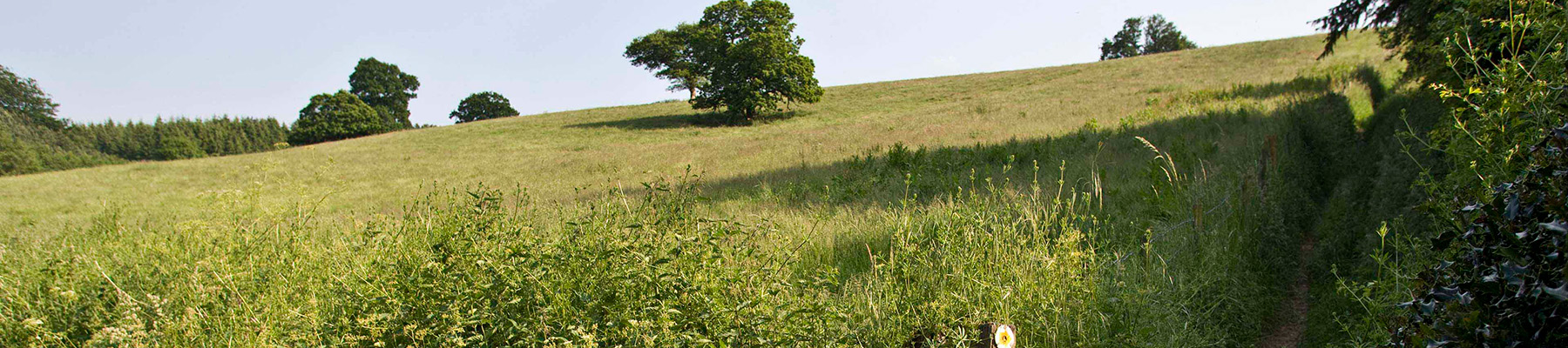
Lydden Temple Ewell NNR, adjacent to the A2 above and between the villages of Lydden and Temple Ewell, is one of Europe’s finest surviving chalk downlands. It consists mainly of ancient chalk grassland on the more inaccessible slopes, with improved grassland on the clay cap and gentler slopes. The best time to visit is probably between May and August, when the reserve is rich in chalk-loving wildflowers such as burnt-tip, early spider, common spotted and fragrant orchids, plus milk wort and autumn gentian later in the year. Lydden Temple Ewell NNR is an excellent site for butterflies such as the common blue, brown argus, marbled white, Adonis and chalk hill blue as well as a number of grasshoppers and bush crickets, including the largest British species, the great green bush cricket. Bird species include the grey partridge, yellowhammer, linnet, skylark and some birds of prey including the wind-hovering kestrel.
About the area
Kent is home to the White Cliffs of Dover, an English icon that marks the point where the Kent Downs AONB stretches from the Surrey Hills down to the sea. Visitors can explore historic parklands, including Knole Park and Sir Winston Churchill’s former home at Chartwell, or beautiful nature reserves, such as the coppiced woodlands of Denge Wood and Earley Wood and the ancient fine chalk woodland of Yockletts Bank.
Places to eat nearby View all

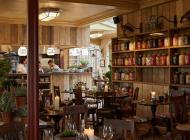
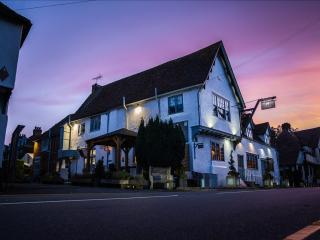


Nearby places to stay
View all (8)





Nearby places to stay
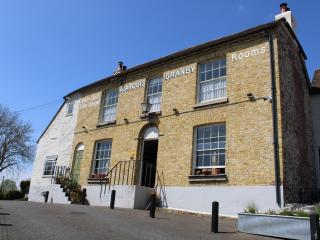
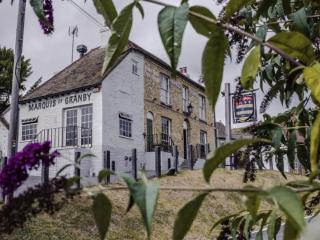
Marquis of Granby
Set in the peaceful Alkham Valley, the Marquis of Granby offers individually designed, stylish contemporary rooms, some with rolltop baths. The team are extremely friendly and the skill...
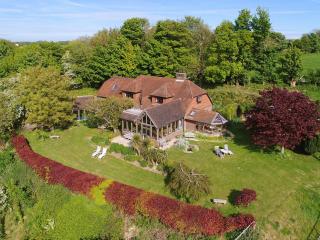
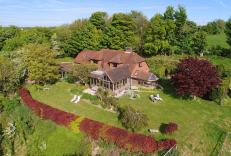
Alkham Court
Alkham Court Farmhouse is situated in the beautiful Kent countryside with stunning views across the Downs. There are 2 luxury bedrooms with super king-size beds and little touches to ma...
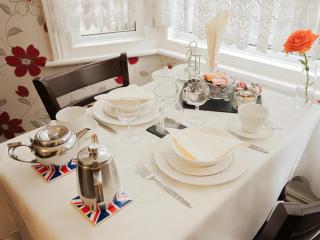
Maison Dieu Guest House
Maison Dieu offers the perfect stopover en route to and from Dover and mainland Europe; Dover's ferry and cruise terminals and The White Cliffs of Dover are just five minutes away and t...
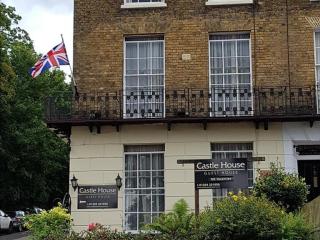
Castle House Guest House
Castle Guest House is located in the centre of Dover just minutes from the town centre, Dover ferry port and Channel Tunnel terminal. Bedrooms are modern and comfortably appointed and i...

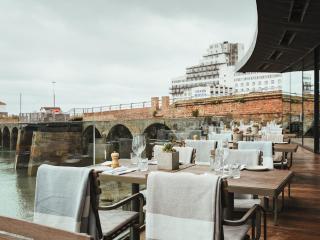
Dover Marina Hotel & Spa, Tapestry Collection by Hilton
Close to the famous White Cliffs and Dover Castle, the Dover Marina Hotel & Spa overlooks the beach and harbour and offers a wide range of facilities, including a Marco Pierre White res...
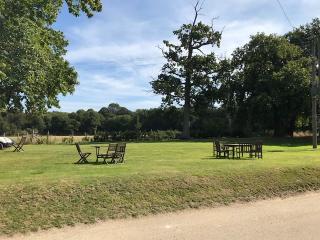
Woodpecker View Cottage
Newly renovated, Woodpecker View is a charming modern rural retreat - perfect for couples on a weekend away, especially those who enjoy walking, cycling and other country pursuits. A on...
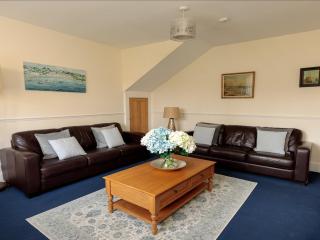
Knowlton Court
Knowlton Court is a family-run country estate located in the heart of Kent, the Garden of England. The 5 properties at Knowlton sleep between 2 and 21 people, with a total capacity for ...
Home Farm House
Formerly the Farm House of Knowlton Court, Home Farm is a wonderful family home at the heart of the estate. This spacious three-bedroom holiday home, which sleeps eight people, has been...