Redgrave & Lopham Fen National Nature Reserve
Recommended by


Overview
Redgrave and Lopham Fen NNR is an extensive area of spring-fed valley fen in the headwaters of the River Waveney on the Suffolk/Norfolk border. It is the largest fen in lowland England, with a range of distinct habitats including the internationally important saw sedge beds and purple moor grasslands. It is also home to one of only two British populations of the fen raft spider. In summer the reserve supports wetland species such as the insectivorous bladderwort and the aquatic areas also attract amphibians including the great crested newt, mammals like the water shrew and water vole, and waterfowl such as teal, gadwall, little grebe, moorhen, coot and water rail. Wading birds passing through on migration in spring and autumn include the green sandpiper and greenshank. The vegetation includes plants such as hemp agrimony, meadowsweet, sow thistle and purple loosestrife. Look out for reed bunting and warblers here, while the scrubby vegetation can reveal woodcock, sparrowhawk, hobby, kestrel and tawny owl, in addition to numerous chiffchaffs and willow warblers.
About the area
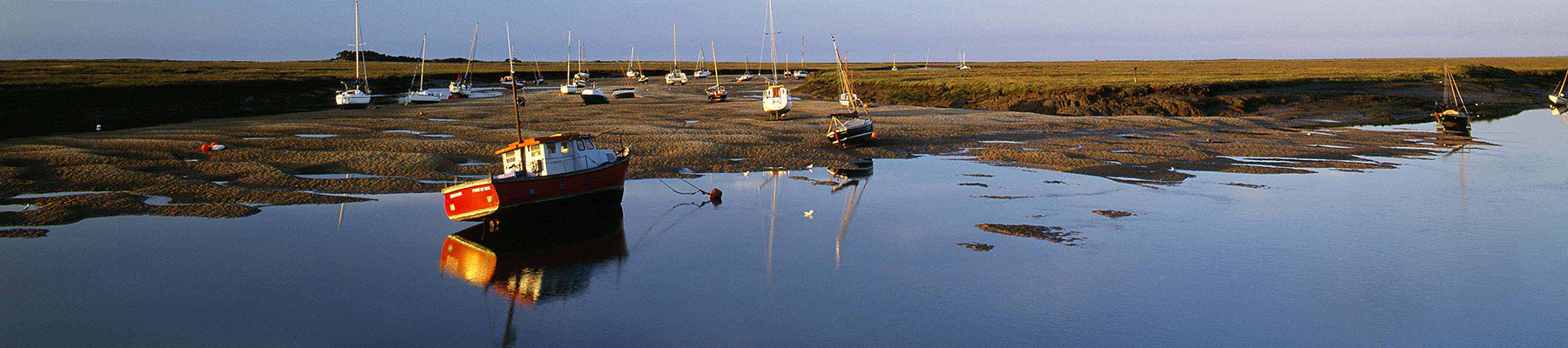
The North Norfolk Coast is designated an Area of Outstanding Natural Beauty and probably the finest of its kind in Europe. Here you’ll find a string of quaint villages and small towns – Holkham, Wells-next-the-Sea and Cley next the Sea are 21st-century favourites, while Sheringham and Cromer are classic examples of a good old-fashioned seaside resort where grand Victorian hotels look out to sea.
Places to eat nearby View all
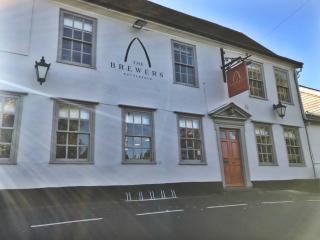
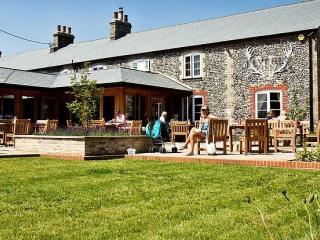
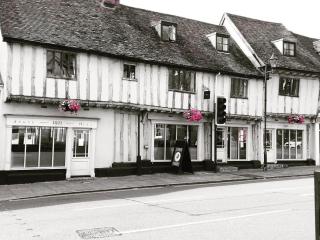
Nearby places to stay
View all (8)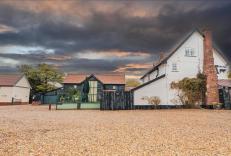

Nearby places to stay
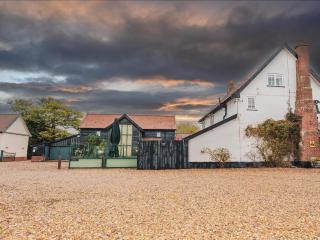
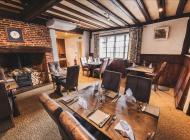
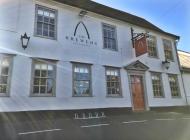
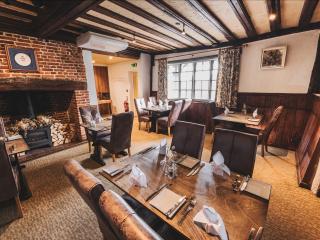
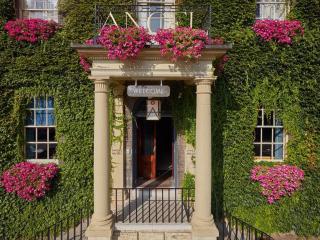
The Auberge
A warm welcome awaits at The Auberge, a charming 15th-century property, once a rural pub but now a smart restaurant with rooms. The restaurant uses fresh, quality produce in well-crafte...
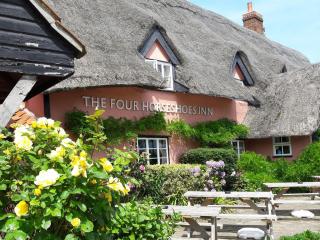
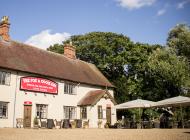
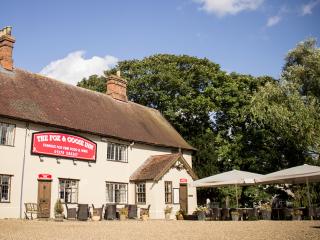
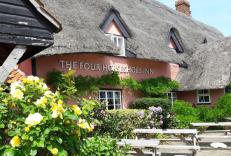
The Four Horseshoes
Dating from the 15th century, the thatched, pink-walled Four Horseshoes is easy to spot as you enter the village at its southern end. Two of its three bedrooms are pet-friendly, so dog-...
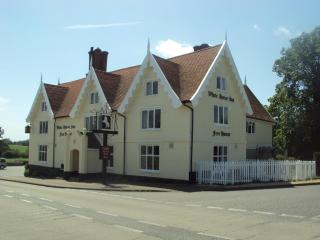
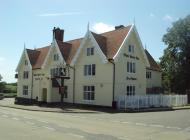
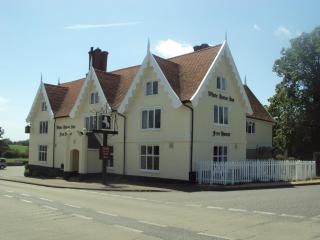
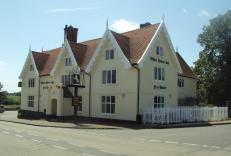
The White Horse Inn
The White Horse Inn is a 17th-century coaching inn on the A140, midway between Norwich and Ipswich. It has been run by the same family for over a decade, offering home-made, good qualit...
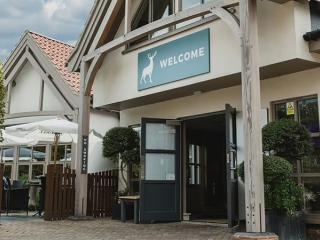
Breckland Lodge
Located just off the A11 on the outskirts of Attleborough, Breckand Lodge is a convenient stop off for a coffee, light-bite, restaurant meal or carvery. It also boasts 32 comfortable, w...
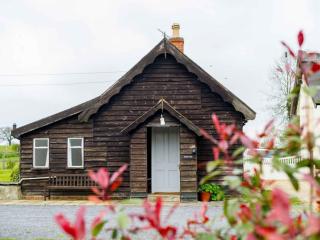
The Shooting Lodge
The Shooting Lodge is an idyllic, quaint, traditional lodge, opened in 2006 and then extended and improved further in 2016. Sleeping 2-4, it’s a fabulous choice for couples or a small f...
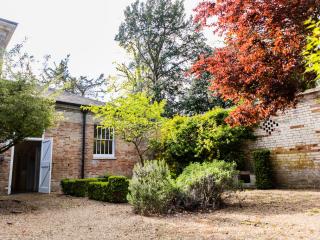
The Courtyard at Stowlangtoft
The Courtyard at Stowlangtoft Estate has four beautiful country retreats, along with the Dark Horse event space; the perfect choice for family holidays, reunions, special celebrations a...
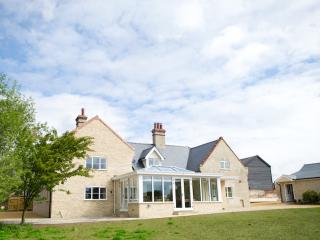
Stow Manor
Located in the heart of the Suffolk Countryside, Stow Manor is a gorgeous retreat, ideally suited to host large gatherings, family parties, special birthdays and anniversaries. Together...
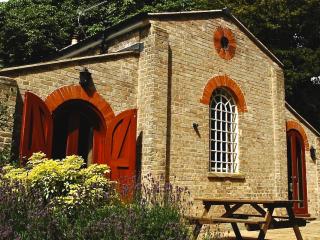
Stowlangtoft Estate Holiday Cottages
Stowlangtoft Estate has seven country retreats that are the perfect choice for family holidays, reunions and wedding guest accommodation. The cottages, all located within half a mile of...