Euston Hall
Recommended by


Overview
You can see a magnificent collection of 17th-century courtly paintings on a visit to Euston Hall. One-time owner Henry FitzRoy’s origins were indisputably Stuart, and Stuart portraits fill every corner. There is a portrait of Charles I painted by Van Dyck, and another of Charles II by Lely. The house was originally built between 1666 and 1670 for the Duke of Arlington, Charles II’s Secretary of State. He made a splendid match for his daughter Isabella when she was only five years old, betrothing her to Henry FitzRoy, the illegitimate son of the king and his mistress Barbara Villiers. Henry FitzRoy was made the Duke of Grafton, and Euston Hall, which he inherited from Arlington, has been the family home of the Graftons ever since. Euston Hall was probably one of the first English country houses to have the luxury of a mechanically pumped water supply. Henry FitzRoy enjoyed his inheritance for only five years before he died. His son, the second Duke, then commissioned Matthew Brettingham to remodel the house. Brettingham decided to face all three wings with red brick, as well as building the stable block between 1750 and 1755, and these buildings remained untouched until they were destroyed by fire, in 1902. The south and west wings were gutted, destroying, among other priceless treasures, the 18th-century ceilings painted by Verrio. Only the north wing remained. The burned wings were quickly rebuilt, but were demolished in 1952 so that the hall that can be seen today dates mainly from the 1740s.
Features
- Opening Times
- Opening Times: Open 18 Jun-17 Sep, Thu only. Also open Sun 28 Jun, 12 Jul & 6 Sep
- Facilities
- Parking onsite
- Cafe
About the area
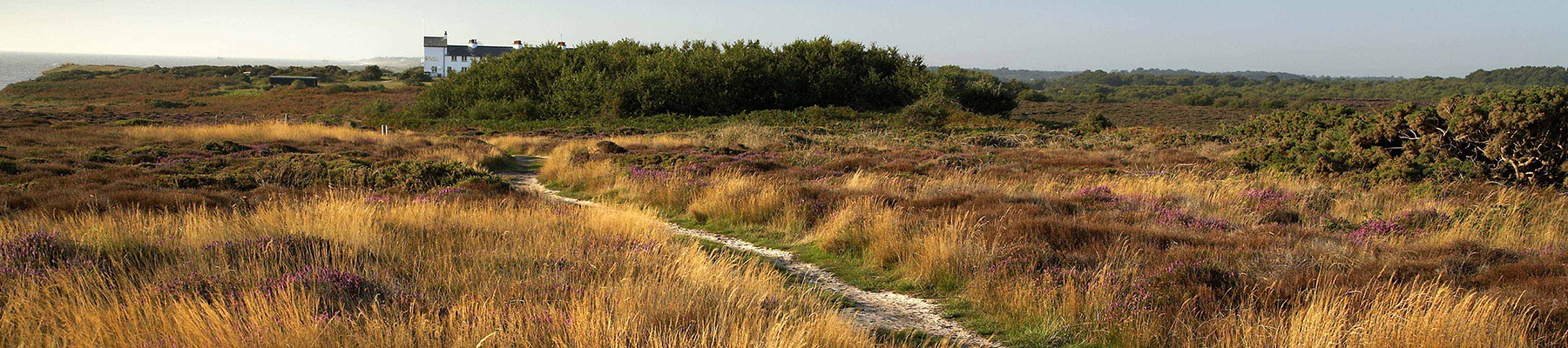
Suffolk is Constable country, where the county’s crumbling, time-ravaged coastline spreads itself under wide skies to convey a wonderful sense of remoteness and solitude. Highly evocative and atmospheric, this is where rivers wind lazily to the sea and notorious 18th-century smugglers hid from the excise men.
Places to eat nearby View all
Nearby places to stay
View all (8)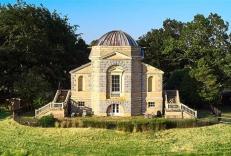

Nearby places to stay
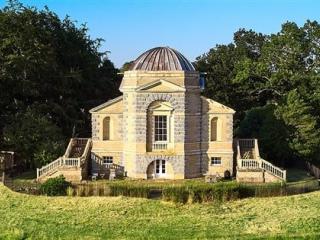
The Temple
Awaiting description....
The Temple
Awaiting description....
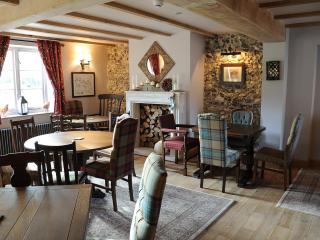
Elveden Inn
Elveden Inn offers a range of beautifully presented bedrooms and sleek modern bathrooms. Enjoying a peaceful location in the heart of East Anglia, the inn is part of the Guinness family...
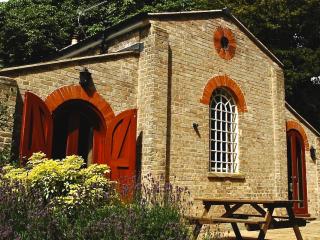
Stearn Cottage
A detached property on two levels (ground and mezzanine), Stearn Cottage is a unique country retreat sleeping 6-8 people. Extensively renovated in 2004, as part of the Stable Courtyard ...
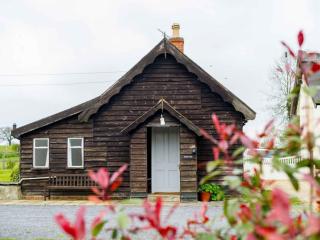
The Shooting Lodge
The Shooting Lodge is an idyllic, quaint, traditional lodge, opened in 2006 and then extended and improved further in 2016. Sleeping 2-4, it’s a fabulous choice for couples or a small f...
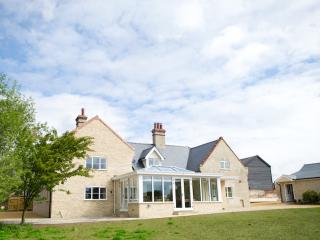
Stow Manor
Located in the heart of the Suffolk Countryside, Stow Manor is a gorgeous retreat, ideally suited to host large gatherings, family parties, special birthdays and anniversaries. Together...
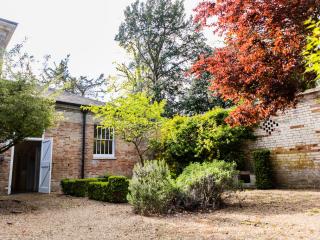
The Courtyard at Stowlangtoft
The Courtyard at Stowlangtoft Estate has four beautiful country retreats, along with the Dark Horse event space; the perfect choice for family holidays, reunions, special celebrations a...
Stowlangtoft Estate Holiday Cottages
Stowlangtoft Estate has seven country retreats that are the perfect choice for family holidays, reunions and wedding guest accommodation. The cottages, all located within half a mile of...