Wren's Nest National Nature Reserve
Recommended by


Overview
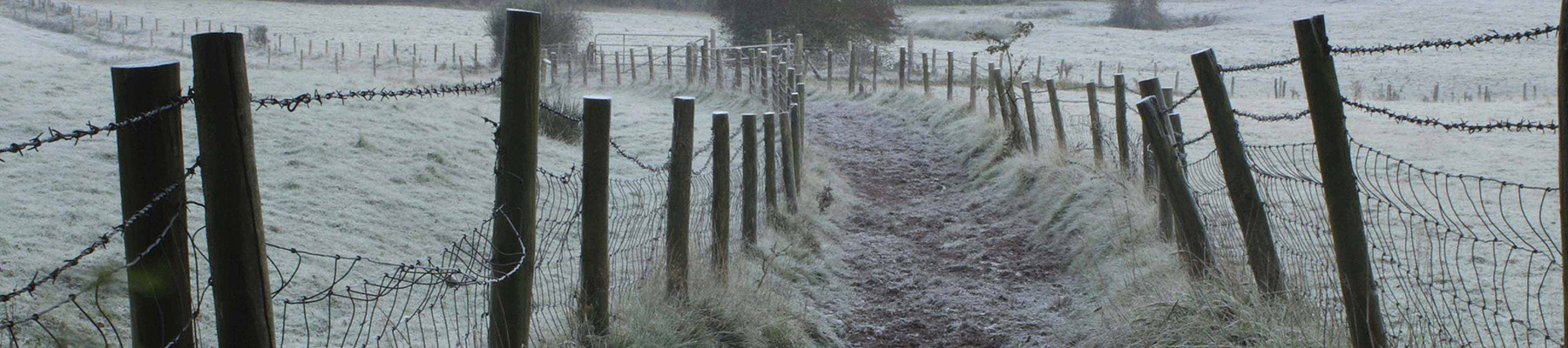
The fossils found in the 400 million-year-old limestone of the former quarry of Wren’s Nest NNR at Dudley have made it an internationally important geological site. The most famous is the trilobite known as the ‘Dudley Bug’, which is used as the centrepiece of the town’s coat-of-arms. Over 700 types of fossil have been found at Wren’s Nest, 186 of which were first discovered and described here and 86 are found nowhere else on Earth. The limestone grasslands of Wren’s Nest are rich in wildflowers, and there are fine displays of small scabious, milkwort, quaking grass and hoary plantain, plus common spotted, bee and pyramidal orchids. The reserve supports 10 different kinds of butterfly, and you might see red admirals, skippers and small tortoiseshells, plus bumble bees, hoverflies and a variety of beetles. In winter, long-tailed tits, blue tits and great tits move through the woodlands, while redwings and fieldfares are seen in the winter. In late spring, the woodland on Mons Hill rings with the territorial song of wren, blackbird, robin, chiffchaff, great tit and willow warbler.
About the area
After Greater London, the West Midlands is the UK’s biggest county by population, and after London, Birmingham is the UK’s largest city. There’s a lot to seek out here – it has a vibrant culture, with exceptionally good nightlife.




Nearby places to stay
View all (8)




Nearby places to stay
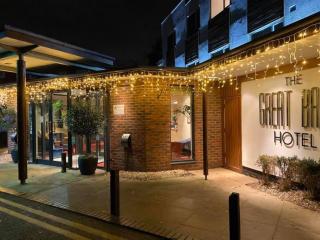
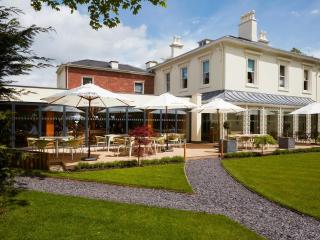
Great Barr Hotel & Conference Centre
Great Barr Hotel is situated in a leafy residential area, and is particularly popular with business clients, due to its excellent, state-of-the-art training and seminar facilities. Ther...
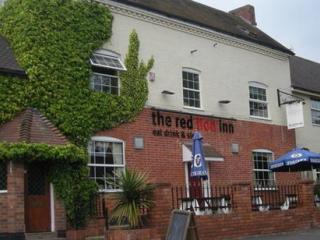
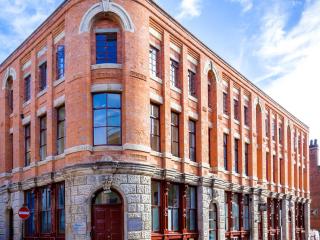
Red Lion Inn
In a tiny village on the Staffordshire-Shropshire border, the family-owned Red Lion Inn has several attractively decorated, well-equipped bedrooms. The area features a wide range of pla...
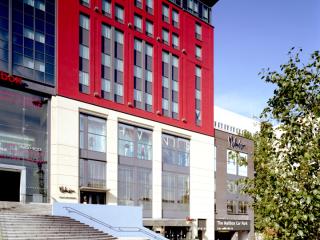
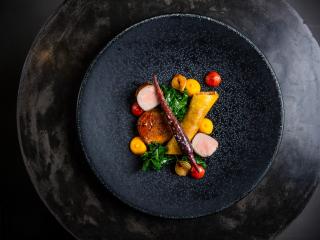
Malmaison Birmingham
The 'Mailbox' development, of which this stylish and contemporary hotel is a part, incorporates the very best in fashionable shopping outlets, an array of restaurants and ample parking....
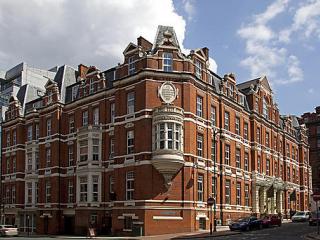
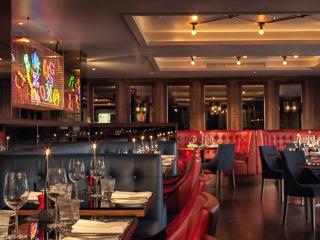
Hotel du Vin & Bistro Birmingham
The former Birmingham Eye Hospital has become a chic and sophisticated hotel. The stylish, high-ceilinged rooms, all with a wine theme, are luxuriously appointed and feature stunning ba...
Aparthotel Adagio Birmingham City Centre
Just five minutes’ walk from the Bullring Shopping Centre and Birmingham New Street rail station with the Colmore business district right on hand, Aparthotel Adagio Birmingham City Cent...
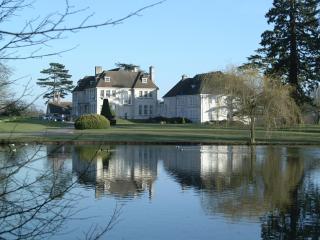
Brockencote Hall Country House Hotel
Brockencote Hall Hotel is a Victorian country manor house set in 70 acres of stunning parkland, complete with a scenic lake, tennis courts and dovecote. A fountain adorns the approach, ...
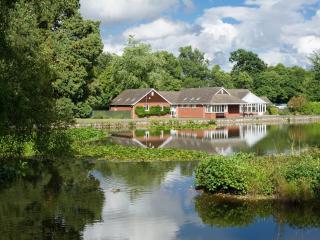
Stanmore Hall Touring Park
Stanmore Hall Touring Park is an excellent park in peaceful surroundings offering outstanding facilities. The pitches, many fully serviced (with Freeview TV), are arranged around the la...
New Hall Hotel & Spa
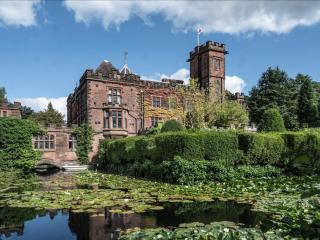
Situated in 26 acres of beautiful grounds, New Hall Hotel is reputed to be the oldest inhabited, moated house in the country. The house's medieval charm and character combine well with ...