Newborough Warren & Ynys Llanddwyn National Nature Reserve
Recommended by


Overview
Guarding the southern opening of the Menai Strait on the southwestern tip of Anglesey, the Newborough Warren NNR is one of the finest coastal sand dune systems in Britain, with huge expanses of mobile and fixed dunes. The reserve also boasts some important geological features such as the Precambrian rocks of which the tidal island of Ynys Llanddwyn is formed, and the pillow lavas that form the approach to the island. A small lake, Llyn Rhos-du, occurs on the landward side of the dunes near Penlon. In the dunes, you will find plants such as butterwort and dune helleborine as well as other rare and interesting lichens, mosses and orchids. There is a thriving invertebrate population here, including the medicinal leech. The mudflats are the overwintering home to large numbers of birds, including heron, wigeon, teal, tufted duck, redshank and dunlin, more than 1 per cent of the British population of pintail, and a similar percentage of the British population of cormorant at Ynys yr Adar, near Ynys Llanddwyn.
About the area
Some of the oldest rocks in Britain form the 125-mile coastline of the 85 square mile Anglesey Area of Outstanding Natural Beauty, which includes Holy Island with its busy port of Holyhead, the terminus for the Dublin ferry. The terrain inland is mainly a fertile plateau worn flat by the action of the sea, with low ridges and shallow valleys, while the sheer limestone cliffs of the east coast and on the north coast at Holyhead Mountain represent some of the most spectacular sea cliffs in Britain.
Places to eat nearby View all








Nearby places to stay
View all (8)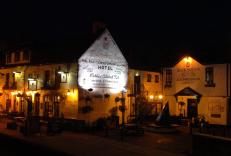





Nearby places to stay
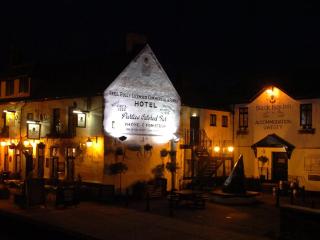
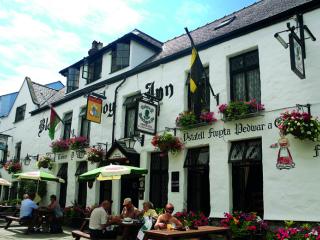
Black Boy Inn
Located within Caernarfon's historic town walls, Black Boy Inn, a fine 16th-century inn, has low ceilings, narrow staircases and thick wooden beams originally from old ships. It is one ...
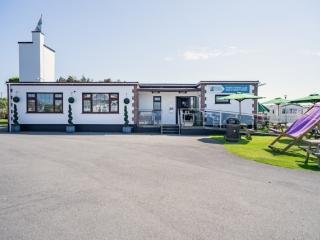
White Tower Holiday Park
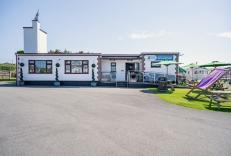
There are lovely views of Snowdonia from this park that is located just two miles from the beach at Dinas Dinlle. A very well maintained, quality amenity block provides good privacy opt...
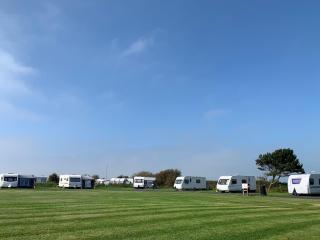
Dinlle Caravan Park
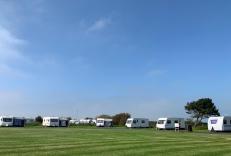
A very accessible site adjacent to a sandy beach and with great views towards Snowdonia. Landscaping is particularly impressive with a colourful display of both cultivated and indigenou...
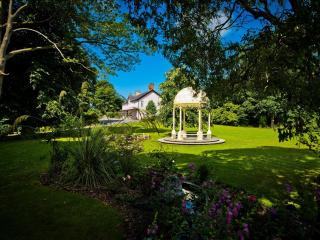
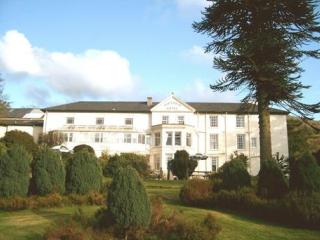
Plas Dinas Country House
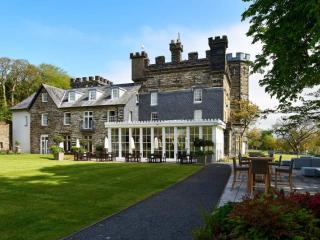
Plas Dinas Country House nestles between the Snowdonia mountains and the Irish Sea. It's an idyllic setting with stunning views. Located in beautiful grounds, this delightful Grade-II l...
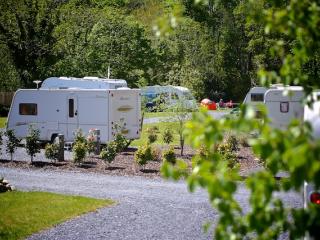
Riverside Camping
Set in the grounds of a former garden centre and enjoying a superb location along the River Seiont, Riverside Camping is approached by an impressive tree-lined drive. Immaculately maint...
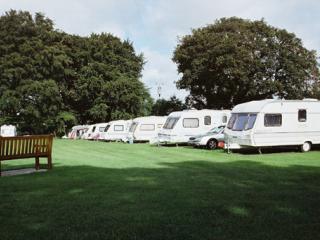
Plas Gwyn Caravan & Camping Park
A secluded park in an ideal location for visiting the glorious nearby beaches, historic Caernarfon, the attractions of Snowdonia and for walking opportunities. The site is set within th...
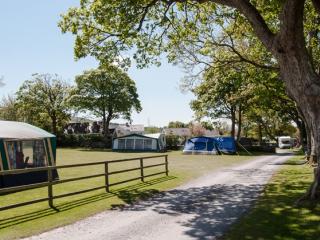
Llys Derwen Caravan & Camping Site
Enjoy the adventure of a lifetime in Snowdonia North Wales. Nestled in the scenic embrace of Mount Snowdon (Yr Wyddfa), the award winning Llys Derwen Caravan & Campsite Snowdon is an id...
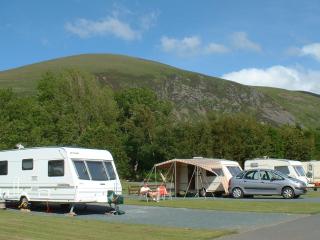
Bryn Gloch Caravan & Camping Park
Set beside the River Gwyrfai, Bryn Gloch offers shepherd's huts, static caravans and touring pitches in the heart of beautiful Snowdonia (Eryri). The park offers the best of two worlds,...