Langstrath's Hidden Valley
Recommended by

Our view
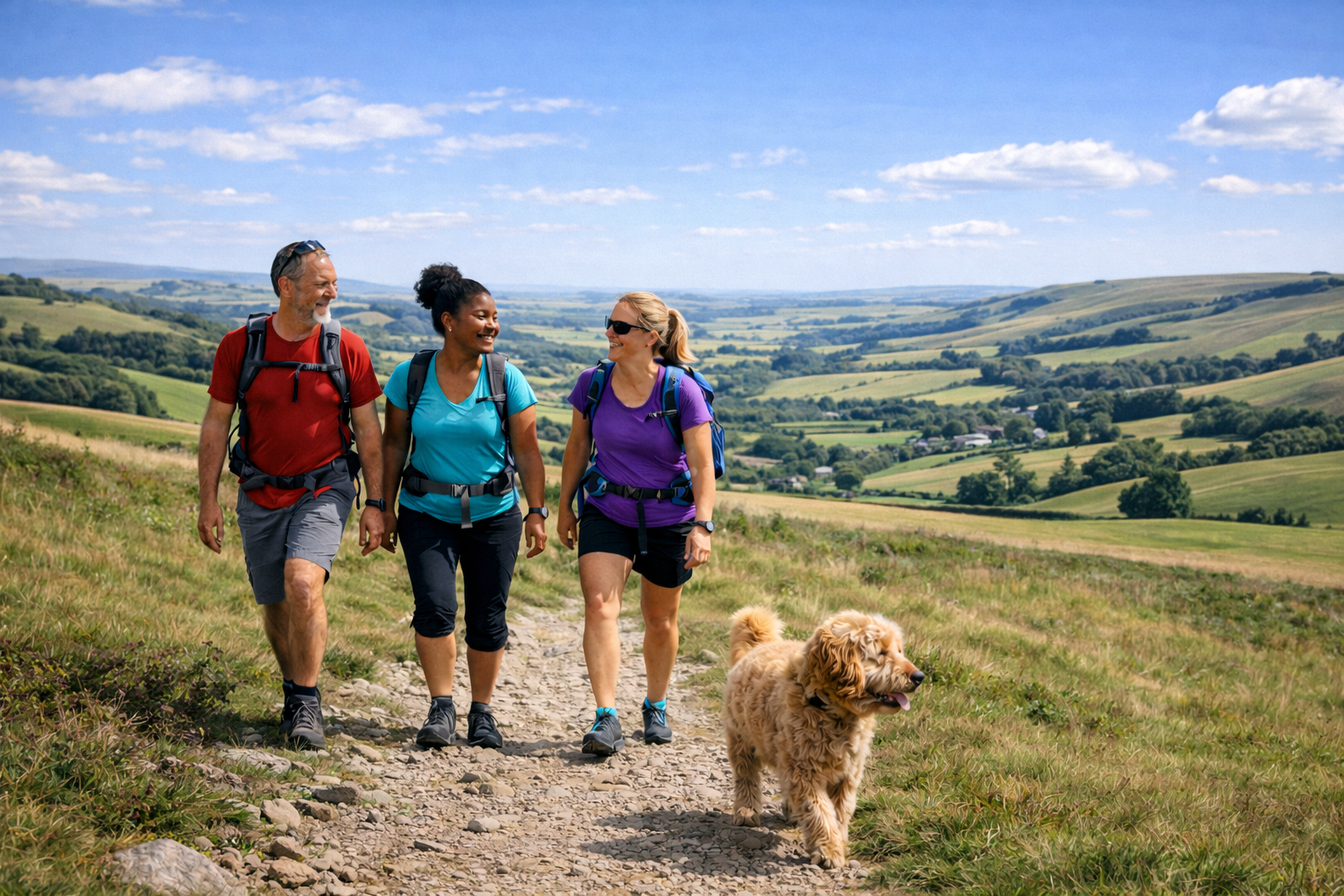
"A low-level ramble into one of Lakeland’s secret valleys, with waterfalls and high crags all around."
Walk directions
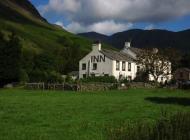
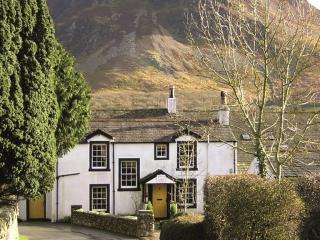
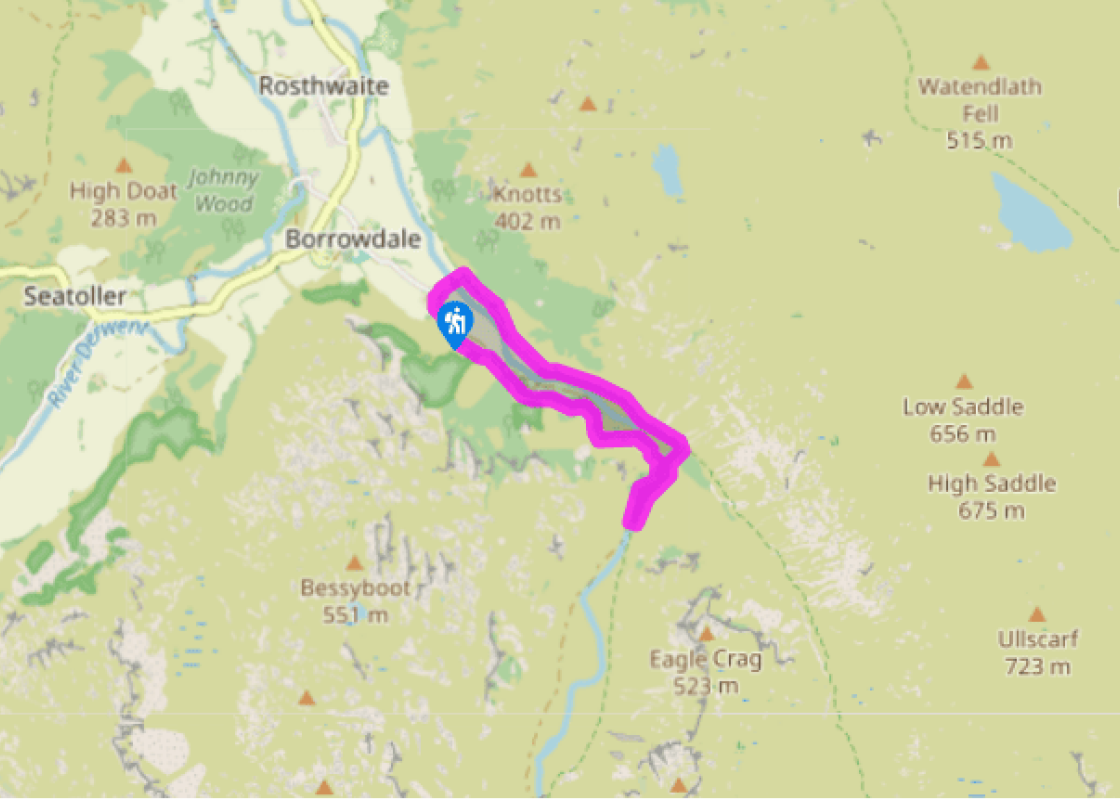
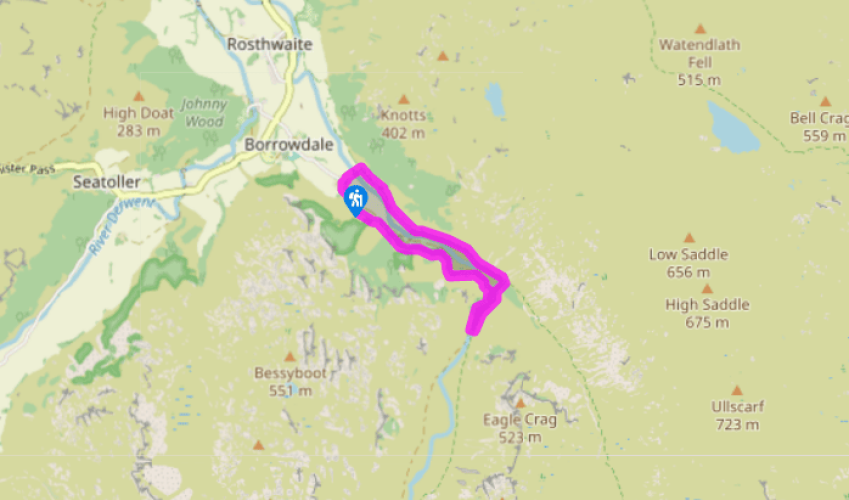
Walk through Stonethwaite village, passing the Langstrath Country Hotel and continuing on the track to the right as it splits. Follow the brief tarmac continuation up a bank and on, soon reverting to a rough track. Beyond the entrance to the campsite stay on the track though a gate and you’ll find it narrows to traverse a woody shoulder. Down the other side it rounds to a building on the left – Alisongrass Hoghouse.
Continue into open country, turning left to pick up a riverside path beside the roar of Galleny Force. Continue on this path, crossing a stile and swinging to the right, where there’s a chance to cross to the ‘island’ viewpoint and picnic spot known as Smithymire. Otherwise walk up to another stile and an onward path up the valley. Soon you rejoin your original lane and follow it further on through woodlands into Langstrath proper. Round a corner and go through a gate, soon reaching a footbridge on the left.
View all directions
Additional information
Terrain
- Stony tracks and paths, 2 stiles
Landscape
- Village, woods, fields, fell
Dog friendliness
- Sheep grazing country, so dogs should be on lead after Alisongrass Hoghouse
Parking
- Small car park in Stonethwaite village by the phone box, or park on the roadside back along the valley road. Please don’t park in the pub car park
Toilets en route
- None on route, nearest in Seatoller
About the walk
==Background==Study a good map of Stonethwaite, and the Langstrath and Greenup valleys that meet barely 10 minutes’ pleasant walk from the village’s fine pub, and one name will usually leap out at you from the jumble of thwaites and becks and gills and fells. There, beneath Alisongrass Crag, stands...
Read more
Been on this walk?
Send us photos or a comment about this route. Or recommend a route of your own.

Walking in Safety
Read our tips to look after yourself and the environment when following this walk.
Get an AA guide
Explore our range of ‘50 Walks in’ guides - they’re the ideal companion for a ramble.
Been on this walk?
Send us photos or a comment about this route. Or recommend a route of your own.
Walking in Safety
Read our tips to look after yourself and the environment when following this walk.
Get an AA guide
Explore our range of ‘50 Walks in’ guides - they’re the ideal companion for a ramble.
About the area
not available. .
Nearby places to stay
View all (8)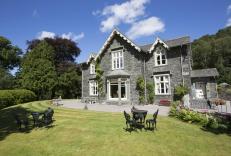



Nearby places to stay
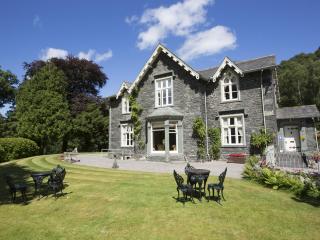
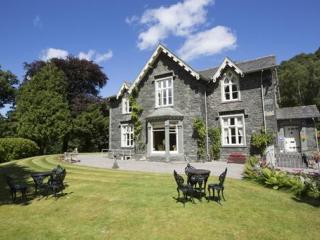
Hazel Bank Country House
Set in an elevated position surrounded by four acres of gardens and woodland, Hazel Bank Country House enjoys wonderful views of Borrowdale. The approach to this grand Victorian house i...
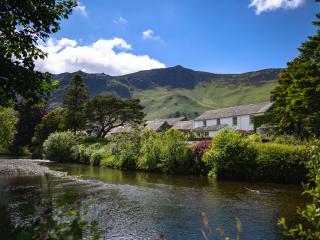
Grange Bridge Cottage
Grange Bridge Cottage occupies one of the most iconic settings within the Lake District National Park. It is situated at the entrance to the picturesque village of Grange in Borrowdale....
Grange Bridge Cottage
A tastefully upgraded 17th-century former logger’s dwelling, Grange Bridge Cottage occupies a beautiful position in the village of Grange overlooking the Derwent River. There is an equi...
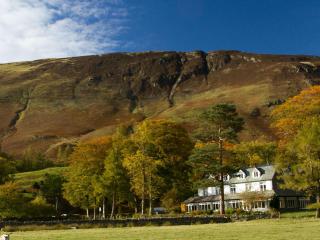
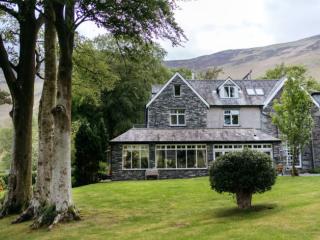
Borrowdale Gates Hotel
Close to the village, Borrowdale Gates Hotel is in the peaceful Borrowdale Valley, in its own three-acre wooded grounds. Great for access to some of the Lakes best hiking, cycling and o...
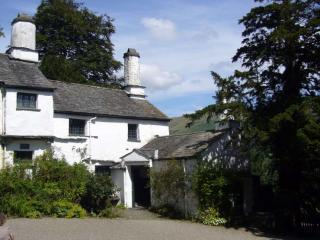
Brandlehowe
On the edge of Derwentwater and with woodland and the Catbells right behind, Brandelhowe is a lovely four-bedroom property in a wonderful setting for a Lakeland holiday, with plenty of ...
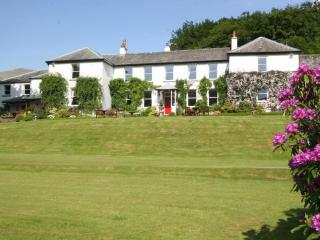
Dale Head Hall Lakeside Hotel
The historic lakeside residence of Dale Head Hall dates from the 16th century and is set in attractive private grounds on the shores of Lake Thirlmere. This is a family-owned hotel and ...
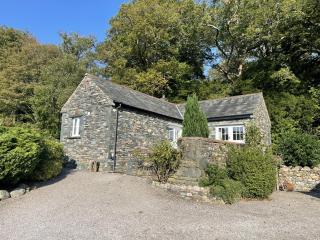
Deer Close Cottage
Awaiting description....
Deer Close Cottage
Dear Close is an enchanting stone cottage has been beautifully decorated throughout and occupies a breathtaking elevated position with sunny south-west aspect just in front of Walla Cra...
Places to eat nearby View all