Castor Hanglands National Nature Reserve
Recommended by


Overview
The Castor Hanglands NNR is a 90-hectare oasis of green, sited in an intensively farmed landscape. Its ancient woodlands, with their medieval boundary banks; the flowery heaths and commons with their 700-year-old cultivation ridges, transport you to the ancient past. Among the rare plants found at Caster Hanglands are the crested cow-wheat, lesser water-plantain, man orchid and narrow-leaved water dropwort. Woodland butterflies present include the silver-washed fritillary, purple hairstreak and white admiral. The extremely rare black hairstreak butterfly is best seen around the blackthorn scrub in June. Dense thickets of scrub provide a habitat for summer migrant birds such as the nightingale, garden warbler, grasshopper warbler and turtle dove. In the woodland, all three British woodpeckers – the green and greater and lesser spotted – occur, along with the secretive woodcock and the elusive hawfinch. Grass snakes are often seen by the ponds and harvest mouse occurs in the rough grassland on the heath.
About the area
To the west of East Anglia is Cambridgeshire, a county best known as the home to the university that makes up the second half of ‘Oxbridge’ (the other half is Oxford). As well as its globally renowned educational credentials, it also has a rich natural history; much of its area is made up of reclaimed or untouched fens.
Places to eat nearby View all


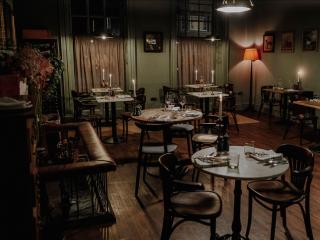
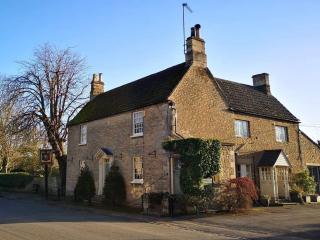
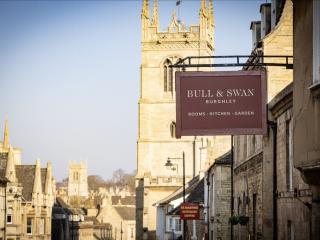
Nearby places to stay
View all (8)


Nearby places to stay
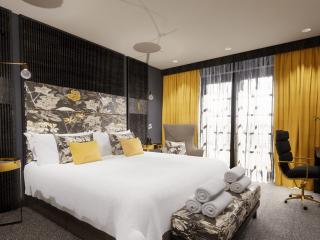
The Haycock Manor Hotel
Situated in the beautiful surroundings of Wansford, The Haycock Manor Hotel is a charming property used in the 16th-century as a coaching inn. Recently refurbished, it offers sophistica...
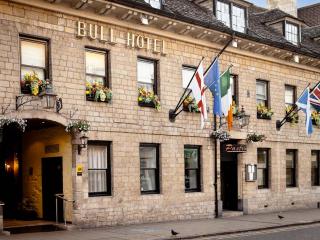
Bull Hotel
The Bull Hotel is in the city-centre and offers well-equipped, modern accommodation, which includes several wings of deluxe bedrooms. Public rooms include a relaxing bar with a great ch...
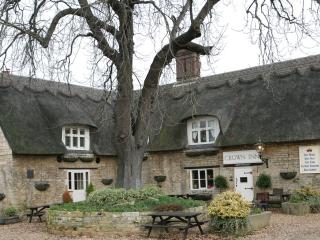
The Crown Inn
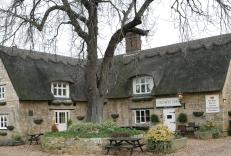
Expect a warm Cambridgeshire welcome at the Crown Inn, a 16th-century village pub, situated opposite the village green. It retains many original features such as a thatched roof, natura...
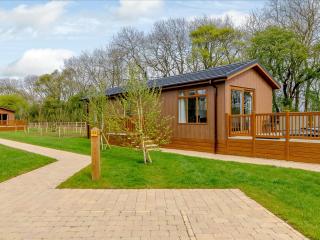
Rockingham Forest Park Ltd
Whether you’re seeking family activity holidays, a romantic couple’s retreat or dog-friendly holidays, Rockingham Forest Park has the perfect stay for you. Explore the woodland trails, ...
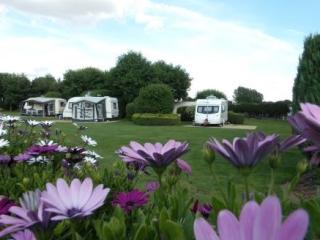
Keal Lodge Caravan Park
Keal Lodge is an adult only, family-run caravan park in a quiet rural lane, five minutes walking distance from the village. With secure access, the site is adjacent to the owners' bunga...
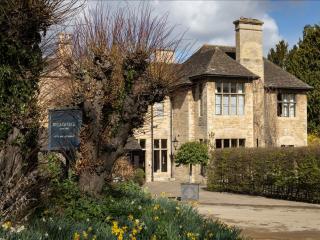
The William Cecil
The William Cecil is a lovely property situated on the edge of town within the Burghley Estate. The stylish bedrooms are spacious, individually decorated and have lots of extra little t...
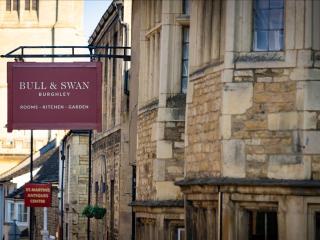
The Bull & Swan at Burghley
The delightful Bull & Swan at Burghley dates back to the 16th century when it is said to have been a gentlemen's drinking club. The public rooms include a large bar with a range of ales...
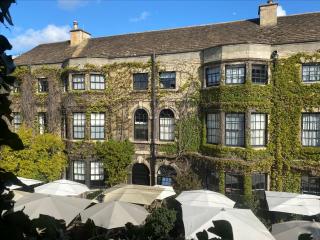
The George of Stamford
Steeped in history, the George of Stamford is a delightful coaching inn that provides spacious public areas, including a choice of dining options, inviting lounges, and a business centr...